

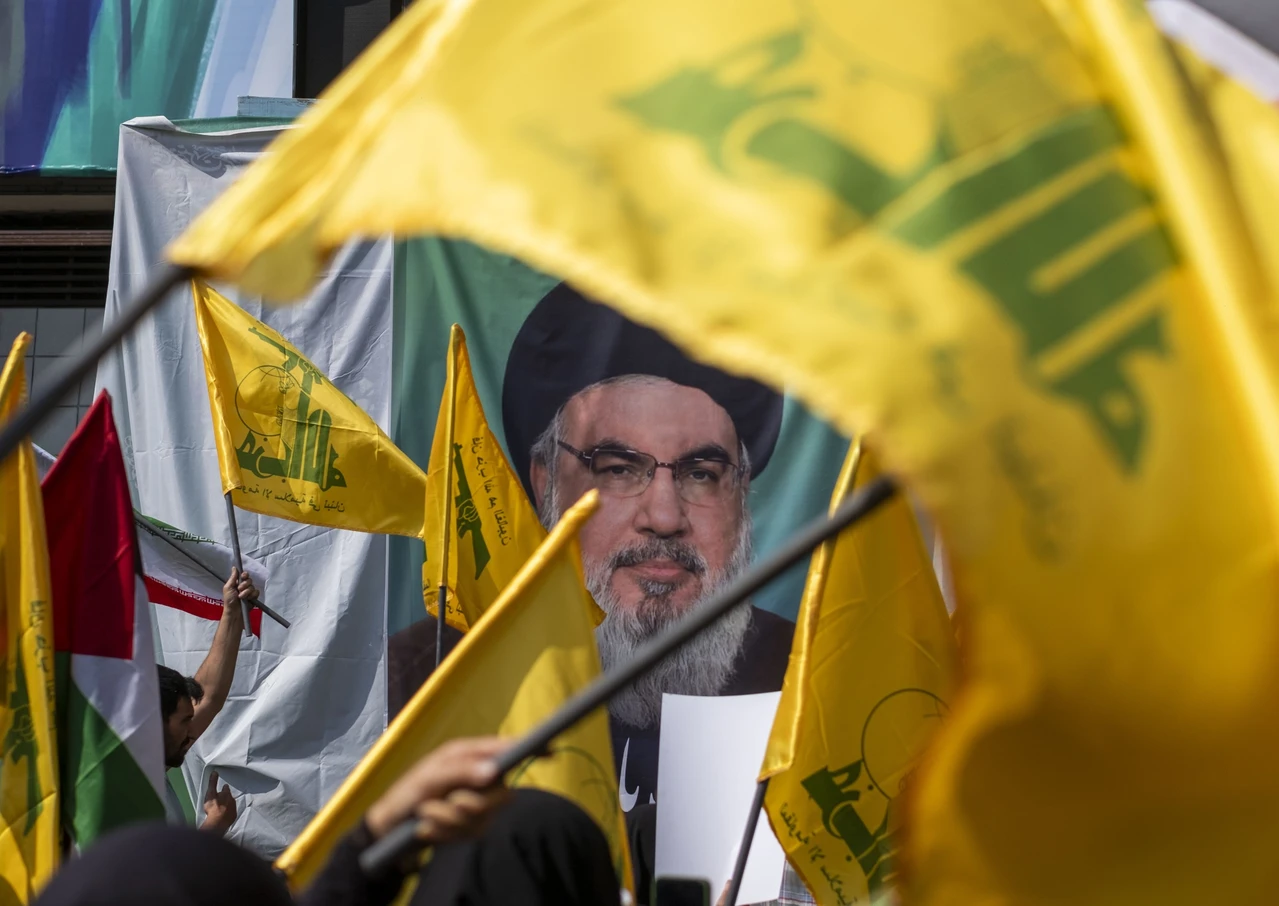
Hezbollah Secretary-General Hassan Nasrallah was killed in an Israeli airstrike on Beirut’s southern suburb of Dahiyeh, marking a significant escalation in the ongoing conflict between Israel and Hezbollah. The attack, which targeted residential areas, resulted in at least 783 deaths and over 2,300 injuries since September 23. Nasrallah, a key figure in Hezbollah’s resistance against Israel, leaves behind a complex legacy that has shaped Lebanon’s political and military landscape for over three decades.
The Airstrike and Its Devastating Impact
On Friday, an Israeli airstrike targeted several residential buildings in Dahiyeh, a densely populated southern suburb of Beirut. The airstrike, which utilized “bunker-busting” bombs, was part of a broader Israeli campaign against Hezbollah. The attack resulted in the deaths of at least six people and wounded 91 others, according to Lebanese health authorities. The death toll is expected to rise as rescue operations continue.
Hezbollah confirmed the death of its leader, Hassan Nasrallah, who was in one of the targeted buildings at the time of the attack. The group’s statement, released on Saturday, began with a Quranic verse and described Nasrallah as a “great leader, a brave martyr” who had dedicated his life to the resistance against Israel. The statement highlighted Nasrallah’s leadership in significant moments, such as the liberation of Lebanon in 2000 and the 2006 war with Israel, often referred to as the “Divine Victory.”
Nasrallah’s death is a major blow to Hezbollah, which has been a central force in Lebanon’s resistance against Israel. The group vowed to continue its struggle, pledging to defend Lebanon and its people and to support the ongoing battle in Gaza. The statement emphasized that Nasrallah’s spirit and ideology would continue to guide the group in its future endeavors.
Who Was Hassan Nasrallah?
Hassan Nasrallah, born in 1960 in East Beirut, was a figure of immense influence in Lebanon and across the Middle East. He became the Secretary-General of Hezbollah in 1992, following the assassination of his predecessor, Abbas al-Musawi, by Israeli forces. Under Nasrallah’s leadership, Hezbollah grew from a relatively small militia into a powerful political and military force in Lebanon.
Nasrallah’s rise to prominence began early in his life. As a child, he was deeply religious and politically aware, often walking long distances to purchase books on Islam. His admiration for the Shia scholar Musa al-Sadr, who founded the Amal Movement in 1974, significantly influenced his political and ideological development. Nasrallah initially joined Amal but later broke away to form Hezbollah in 1982, following Israel’s invasion of Lebanon.
Hezbollah, under Nasrallah’s leadership, became known for its staunch opposition to Israel. The group’s ideology, heavily influenced by Iran, positioned it as a defender of Lebanon’s Shia community and a key player in the broader struggle against Israel. Hezbollah’s military wing carried out numerous operations against Israeli forces, culminating in the withdrawal of Israeli troops from southern Lebanon in 2000.
Nasrallah’s leadership was also marked by the 2006 war with Israel, which solidified his status as a hero among many in Lebanon and the broader Arab world. Despite the destruction caused by the conflict, Nasrallah was seen as having stood up to one of the most powerful militaries in the world, earning Hezbollah widespread support.
However, Nasrallah’s reputation began to wane in the Arab world after Hezbollah’s involvement in the Syrian Civil War. The group’s decision to support Syrian President Bashar al-Assad, an ally of Iran, alienated many Sunni Muslims who had previously supported Hezbollah’s resistance against Israel. Nasrallah was increasingly seen as a leader of a Shia party rather than a broader resistance movement, a perception that was further complicated by the 2005 assassination of former Lebanese Prime Minister Rafik Hariri, for which members of Hezbollah were indicted.
Despite these controversies, Nasrallah remained a revered figure among Hezbollah’s supporters, particularly within Lebanon’s Shia community. His speeches, often blending religious and political rhetoric, were highly influential and helped to maintain his image as a humble and dedicated leader. Nasrallah was known for his simple lifestyle, reportedly sleeping on a foam mattress and speaking in the colloquial Arabic of the Lebanese streets, which endeared him to many.
The Broader Implications of Nasrallah’s Death
The assassination of Hassan Nasrallah marks a significant turning point in the conflict between Israel and Hezbollah. Nasrallah was more than just a military leader; he was the personification of Hezbollah, a symbol of resistance against Israel, and a key figure in Lebanon’s political landscape. His death leaves a vacuum that will be difficult to fill, both for Hezbollah and for the broader resistance movement in the region.
Hezbollah, however, is unlikely to crumble under the weight of Nasrallah’s assassination. The group has a highly organized structure and has survived the loss of key leaders in the past. The challenge for Hezbollah now will be to select a new leader who can continue Nasrallah’s legacy while navigating the complex political and military challenges that lie ahead.
The broader implications of Nasrallah’s death will likely be felt across the Middle East. Hezbollah’s response to the assassination will be closely watched, particularly in the context of the ongoing conflict in Gaza. Nasrallah’s death may also lead to increased tensions within Lebanon, where Hezbollah has both staunch supporters and fierce critics.
Israeli Strikes on Lebanon Escalate: 783 Dead, Over 2,300 Injured Since Monday
Israeli air strikes on Lebanon since September 23 have resulted in 783 deaths and approximately 2,312 injuries, according to official Lebanese sources. This surge in violence brings the total death toll to 1,622, with 5,549 injured since confrontations between Israel and Hezbollah began last October. The recent attacks have displaced nearly 98,800 people and have been described as Israel’s most intense assault on Lebanon in the past year.
In response, Hezbollah has launched hundreds of rockets at Israeli targets, including the Mossad headquarters in Tel Aviv. The international community has expressed concern over the potential for these strikes to escalate the Gaza conflict into a broader regional war.
Regional and International Reactions
The death of Hassan Nasrallah has prompted strong reactions across the Middle East. In Iran, a key ally of Hezbollah, leaders condemned the Israeli airstrike and expressed solidarity with Lebanon and the resistance movement. Iranian President Masoud Pezeshkian denounced the attack as a war crime and called on the international community to take decisive action against Israel.
Seyed Ali Khamenei, the Leader of the Islamic Revolution in Iran, issued a statement on Saturday condemning the Israeli strike. He described the attack as a reflection of the “shortsightedness and stupid policies” of Israeli leaders and called on Muslims worldwide to unite in support of Lebanon and Hezbollah. Khamenei emphasized that the resistance forces in the region remain strong and that Israel will not succeed in its attempts to weaken Hezbollah.
In Lebanon, Nasrallah’s death has further polarized the country. Hezbollah’s supporters have mourned the loss of their leader, while critics have expressed concern about the potential for increased violence and instability. The Lebanese government, already grappling with economic and political crises, now faces the added challenge of managing the fallout from Nasrallah’s assassination.
The Road Ahead for Hezbollah and Lebanon
The assassination of Hassan Nasrallah is a critical moment for Hezbollah and for Lebanon. As the group mourns the loss of its leader, it must also prepare for the challenges that lie ahead. The selection of a new leader will be a key decision, one that will shape the future direction of Hezbollah and its role in the region.
For Lebanon, Nasrallah’s death adds another layer of complexity to an already volatile situation. The country has been struggling with economic collapse, political deadlock, and social unrest, and the loss of a figure as influential as Nasrallah could further destabilize the fragile balance of power.
As Hezbollah moves forward, it will need to navigate the challenges of maintaining its resistance against Israel while also addressing the domestic concerns of its supporters in Lebanon. The group’s ability to adapt to these challenges will be crucial in determining its future success and its role in the broader Middle East.
The death of Hassan Nasrallah is a significant event in the ongoing conflict between Israel and Hezbollah. His legacy as a leader of resistance will be remembered by many, but his assassination also marks the beginning of a new chapter in the complex and often tumultuous history of Lebanon and the Middle East. As the region grapples with the fallout from this event, the world will be watching to see how Hezbollah and its supporters respond, and what the future holds for Lebanon in the wake of this significant loss.