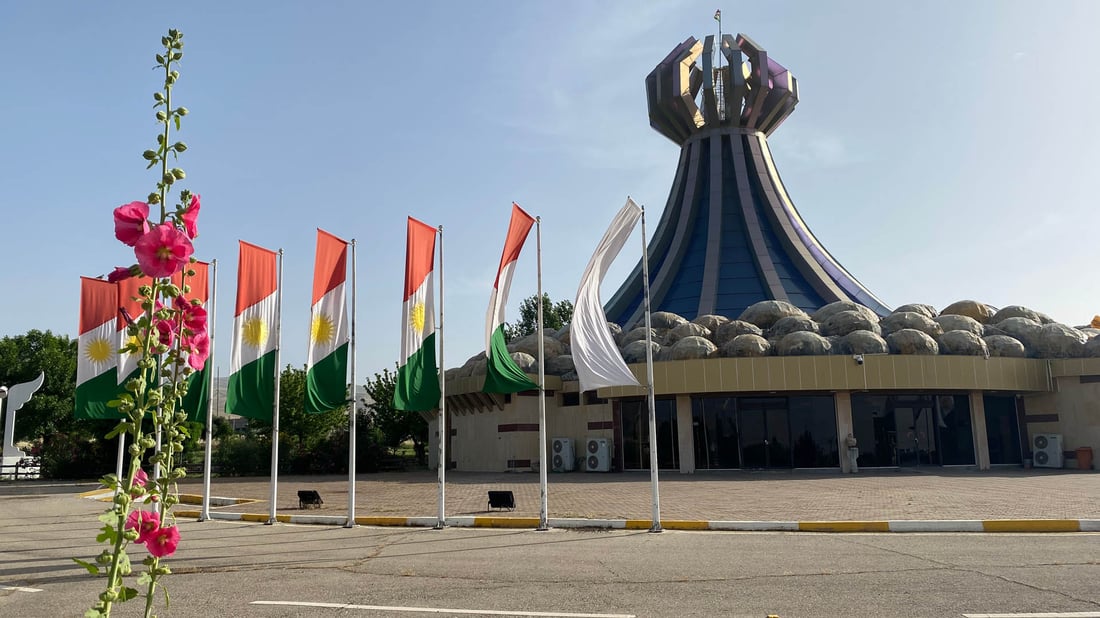
With the Kurdistan parliamentary elections scheduled for October 20, 2024, the political landscape in Halabja province faces new challenges. Five additional electoral lists have emerged, making it harder for established parties like the Patriotic Union of Kurdistan (PUK) to secure the same level of support as before. Meanwhile, Islamic-based parties, including the Islamic Union and Komal Justice, confront competition from a growing number of candidates with religious backgrounds, setting the stage for a highly competitive race.
Halabja’s New Electoral Landscape
The political atmosphere in Halabja province is more competitive than ever in the upcoming Kurdistan parliamentary elections. The introduction of five new lists adds to the electoral complexity, especially for the Patriotic Union of Kurdistan (PUK), which has traditionally held sway in the region. These lists are comprised of a diverse array of candidates, many with an Islamic background, making it more difficult for established Islamic parties such as the Islamic Union and Komal Justice to replicate their previous successes.
One change is the Islamic Movement’s decision to run independently, rather than aligning with the Islamic Union, as it had in the past. This decision creates additional fragmentation among voters who previously supported Islamic-based parties. Other new lists, such as the National Stance, People’s Front, Islamic Association, New Generation, and National Coalition, are fielding multiple candidates, further increasing competition. This dynamic environment is reshaping the political strategy for all parties in Halabja, as they prepare to contest for the three seats allocated to the province in the upcoming elections.
Voting Trends in 2018 and 2021 Elections
To understand the shifting political landscape in Halabja, it’s important to examine the results of past elections, both in the Kurdistan parliamentary elections of 2018 and the Iraqi parliamentary elections of 2021.
In the 2018 Kurdistan parliamentary elections, the PUK emerged as the dominant party in Halabja province, securing 8,839 votes, or 24.46% of the total. However, by the time of the 2021 Iraqi parliamentary elections, the party’s vote share had declined. Despite forming an alliance with the Gorran Movement, the PUK saw its vote count fall to 5,228, representing 21.79% of the total vote. This drop highlights the increasing challenges the party faces in maintaining its traditional voter base.
In contrast, the Islamic Union saw a significant rise in support. In the 2018 Kurdistan parliamentary elections, the party secured 7,545 votes, or 20.88%. However, in the 2021 Iraqi parliamentary elections, the Islamic Union rose to first place, obtaining 7,240 votes, or 29.28% of the total. This shift underscores the growing appeal of Islamic-based parties in the region, although they now face stiffer competition from an increasing number of candidates with Islamic affiliations running on new lists.
Other key political players in Halabja, such as Komal Justice and the Kurdistan Democratic Party (KDP), have also seen fluctuations in their electoral fortunes. Komal Justice came third in both the 2018 and 2021 elections, with vote shares of 17.77% and 20.25%, respectively. The KDP, while maintaining a presence, has remained in fourth place, with 14.43% of the vote in 2018 and 14.49% in 2021.
Three Seats for Halabja in 2024
The upcoming 2024 elections for the Kurdistan Parliament will see Halabja province vying for just three seats out of a total of 100. This is a reduction in the influence that smaller provinces like Halabja will have on the overall composition of the parliament. The province’s voters, scattered across Halabja, Sirwan, and the Hawraman districts, will be electing representatives from a crowded field of candidates representing both established parties and new entrants.
The allocation of seats in the Kurdistan Parliament divides the region into four constituencies: Erbil, Duhok, Sulaimaniya, and Halabja. Halabja has been allotted three seats, with no specific set-asides for Christian or Turkmen communities, unlike the other constituencies. This makes every vote in Halabja crucial, as the province’s electoral weight is considerably lighter than that of its larger counterparts, such as Sulaimaniya with 38 seats and Erbil with 34.
The Independent High Election Commission of Iraq (IHEC) has established 27 polling stations across Halabja province, with a total of 62,584 eligible voters. This includes 59,005 people who will vote in the general election and 3,579 individuals participating in the special election. These numbers emphasize the significance of mobilizing voters in a competitive environment, where every vote counts towards securing one of the three available seats.
Looking Ahead: The 2024 Election
As the election date approaches, various political forces in Halabja are refining their strategies to appeal to an increasingly fragmented electorate. In the 2021 election for Iraqi representatives, Halabja’s districts (including Saidsadiq and Sharazur, which have since been moved to Sulaimaniya province) secured three seats, won by the PUK, the Islamic Union, and New Generation. The PUK now faces the challenge of winning two out of the three seats in the upcoming elections but is still in a strong position to secure the province’s first seat. Meanwhile, Islamic-based parties like the Islamic Union and Komal Justice face an overcrowded field, reducing their chances of winning both seats. As a result, there may be an opportunity for the PDK and New Generation to gain the third seat. Additionally, new political lists entering the race will test whether fresh candidates with diverse platforms can sway voters away from the established parties.
Given the intense competition for just three seats, this election represents a pivotal moment for Halabja’s political future. The diverse candidate pool and new party lists make it difficult to predict which political forces will come out on top. However, what is clear is that the 2024 elections will significantly reshape the political landscape of Halabja province, as voters navigate between tradition and new choices in their quest for representation in the Kurdistan Parliament.