

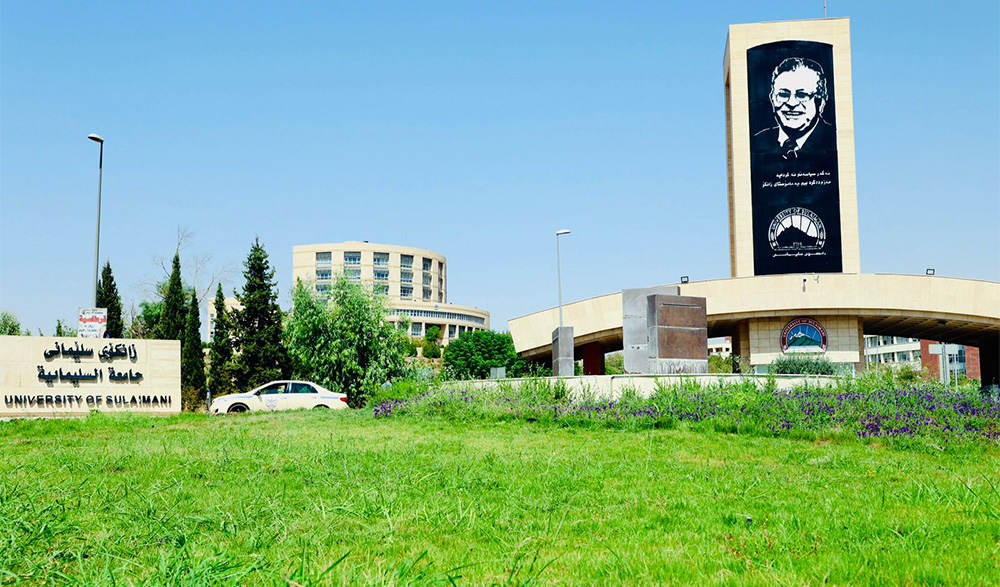
The University of Sulaymaniyah announced that its council has decided to allocate necessary land for all eligible faculty members. The decision affects 850 professors and staff members, implemented through coordination with the Deputy Prime Minister’s office and local government authorities.
Council Decision and Government Framework
The University of Sulaymaniyah Council reached a significant decision during its regular meeting held on August 13, 2025, addressing land allocation for eligible faculty members. This initiative operates within the broader framework of the Kurdistan Regional Government’s policy to provide land for all qualified professors and civil servants across the region.
The university council’s decision specifically focuses on allocating appropriate land parcels for all eligible faculty members from the university’s available land holdings. The resolution requires obtaining formal approval from relevant governmental bodies to ensure legal compliance and proper implementation of the land distribution process.
This decision represents a concrete step toward implementing the regional government’s commitment to supporting academic staff through tangible benefits that enhance their living conditions and job security. The university administration emphasized that this initiative aims to strengthen the institution’s ability to retain qualified academic personnel and attract new talent to the educational sector.
Beneficiary Details and Implementation Scope
According to Dr. Mahmod, Assistant to the President of the University of Sulaymaniyah for Scientific Affairs and Graduate Studies, approximately 850 faculty members will benefit from this land allocation program. The beneficiaries include both professors and administrative staff who meet the eligibility criteria established by the Kurdistan Regional Government’s guidelines for public sector employees.
The implementation process involves close coordination between multiple governmental levels and institutions. The university administration has been working in partnership with the Deputy Prime Minister’s office, Sulaymaniyah Municipality, and the provincial government to ensure smooth execution of the land distribution program.
The selection criteria for beneficiaries follow established government protocols that determine eligibility based on employment status, length of service, and other relevant factors. This systematic approach ensures fair distribution while maintaining transparency throughout the allocation process. The university administration has emphasized that all eligible faculty members will receive equal consideration regardless of their department or academic rank.
Dr. Mahmod highlighted that the land parcels being allocated are appropriately sized and located to meet the housing needs of university staff. The locations have been selected to provide convenient access to the university campus while offering suitable residential environments for academic families.
Coordination Through Deputy Prime Minister’s Office
The land allocation process operates under the direct supervision and coordination of Qubad Talabani, Deputy Prime Minister of the Kurdistan Region, through his official office. This high-level oversight ensures that all formal procedures and legal requirements are properly fulfilled during the implementation phase.
Deputy Prime Minister Talabani’s office has maintained continuous engagement throughout the process, working to streamline bureaucratic procedures and remove potential obstacles that could delay land distribution to eligible faculty members. His office has expressed full support for allocating suitable land parcels to university professors and staff members.
The involvement of the Deputy Prime Minister’s office demonstrates the Kurdistan Regional Government’s commitment to supporting higher education institutions and their personnel. This coordination mechanism ensures that the land allocation process receives appropriate governmental backing and resources necessary for successful implementation.
The formal approval process involves multiple governmental bodies, including municipal authorities, the provincial administration, and relevant ministries. This comprehensive approach ensures that all legal requirements are met and that the allocated land parcels have clear titles and proper documentation.
University officials have expressed appreciation for the governmental support and coordination that has made this initiative possible. They view this land allocation program as an important step toward improving faculty welfare and strengthening the university’s position as a leading educational institution in the Kurdistan Region.
The implementation timeline and specific procedures for land distribution will be announced through official channels once all formal approvals are obtained from the relevant governmental authorities.