

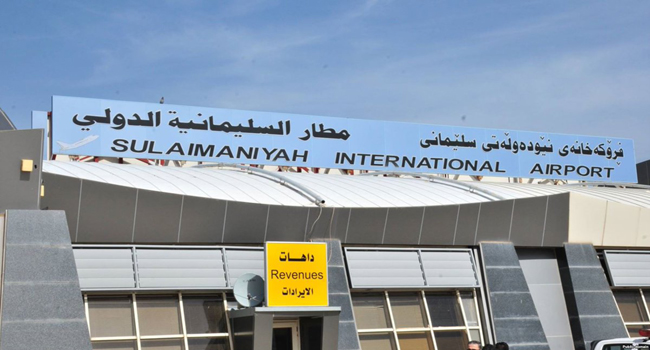
Sulaymaniyah International Airport faces significant financial losses due to a Turkish air ban, reducing flight operations by 50% and crippling local travel businesses. This ban, extended until July 6, highlights ongoing tensions between Turkey and the Kurdistan Region. Amid these challenges, number of Kurdish leaders including KRG Prime Minister Masrour Barzani met with Turkish President Erdogan to discuss key issues, including Erbil-Baghdad disputes and regional stability, reflecting Turkey’s deep engagement with Kurdish leaders across various fronts.
Turkey’s Sanctions on Sulaymaniyah Airport
Based on Channel 8, A source from Sulaymaniyah International Airport confirmed that Turkish sanctions have halved flight operations, causing significant financial strain. The Turkish aviation ban, first implemented on April 3, 2023, has been extended multiple times, most recently until July 6. Over the past 21 months, the airport has struggled to mitigate the repercussions of this prolonged restriction.
Local businesses have also felt the impact. Ata Anwar, head of Sulaymaniyah’s tourism agencies and companies, revealed that 200 agencies depend on Turkish flights. These businesses collectively face losses exceeding $1 million monthly in ticket sales, underscoring the broad economic damage of the ban.
KRG Prime Minister Barzani’s Meeting with Erdogan
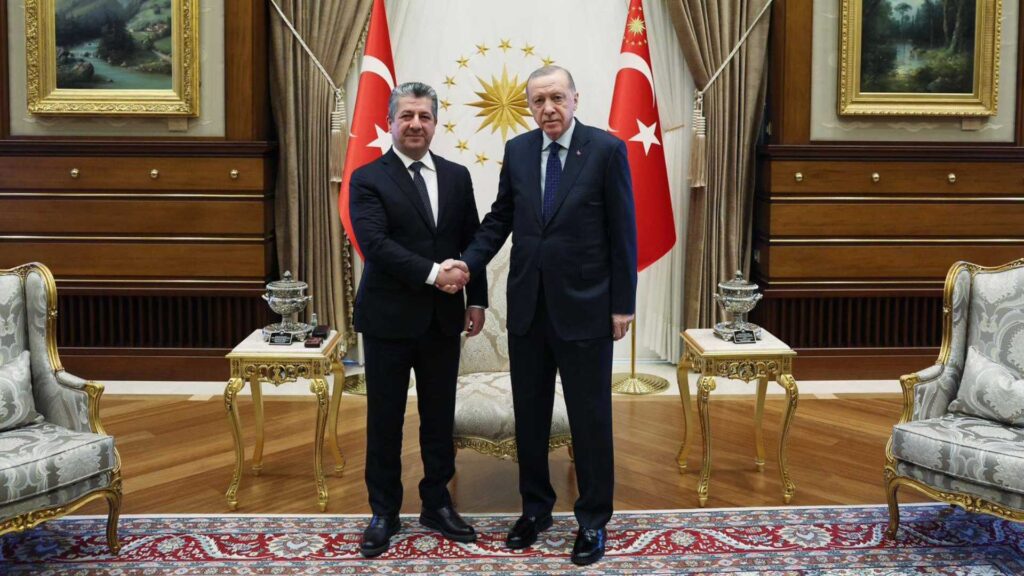
Kurdistan Regional Government (KRG) Prime Minister Masrour Barzani met Turkish President Recep Tayyip Erdogan at Ankara’s Republican Palace on Tuesday. According to a KRG statement, the meeting emphasized the need to resolve disputes between Erbil and Baghdad based on Iraq’s constitution.
Discussions also addressed the stalled export of oil from the Kurdistan Region, a critical revenue stream for both sides. The leaders highlighted their shared commitment to maintaining peace, security, and community rights across Iraq, Syria, and the region.
The Turkish presidency’s statement underscored Turkey’s interest in avoiding further instability in the region. Erdogan reiterated his opposition to the Syrian Democratic Forces (SDF), labeling them as terrorist-affiliated groups and stressing Syria’s future must exclude such organizations.
Turkey’s Broader Engagement with Kurdish Leaders
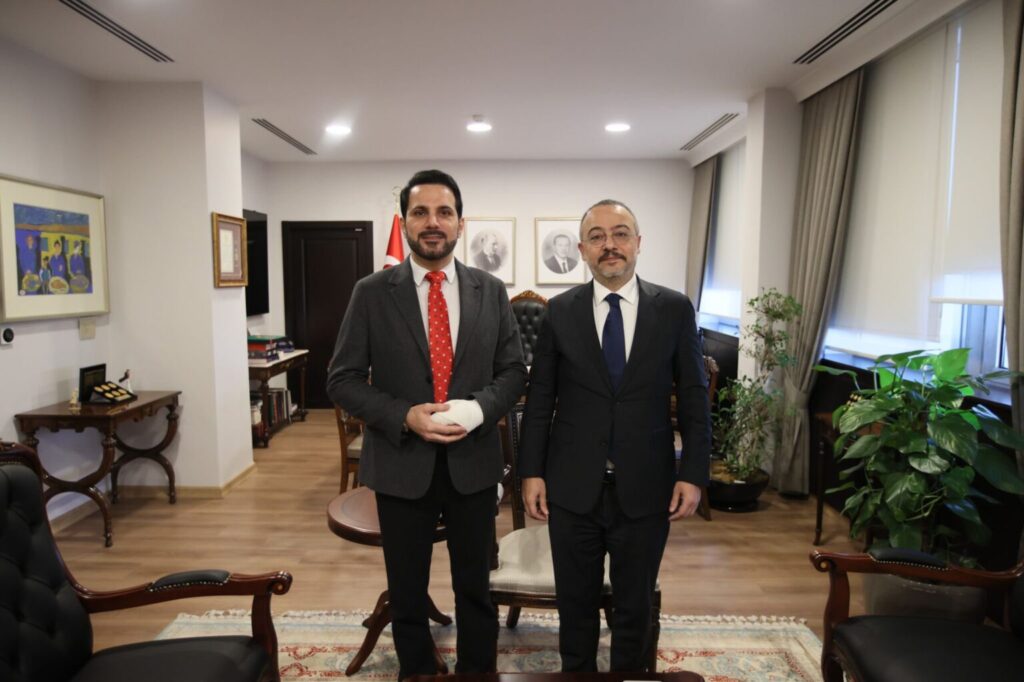
In addition to high-level government talks, Turkey continues to engage with Kurdish political leaders. Turkish Deputy Foreign Minister Noah Yilmaz recently met with Shaswar Abdulwahid Qadir, leader of the New Generation Movement, signaling Turkey’s focus on fostering political ties across Iraqi Kurdistan.
Last week, Turkey hosted Salahaddin Bahaaddin, Secretary-General of the Kurdistan Islamic Union. These meetings reflect Ankara’s strategic interest in maintaining dialogue with diverse Kurdish factions.
Meanwhile, the New Generation Movement, which secured 15 seats in the Kurdistan Region’s October 2024 parliamentary election, plays a growing role in Kurdish politics. Turkey’s engagement with such parties indicates its aim to influence regional political dynamics while managing its own national security concerns.