

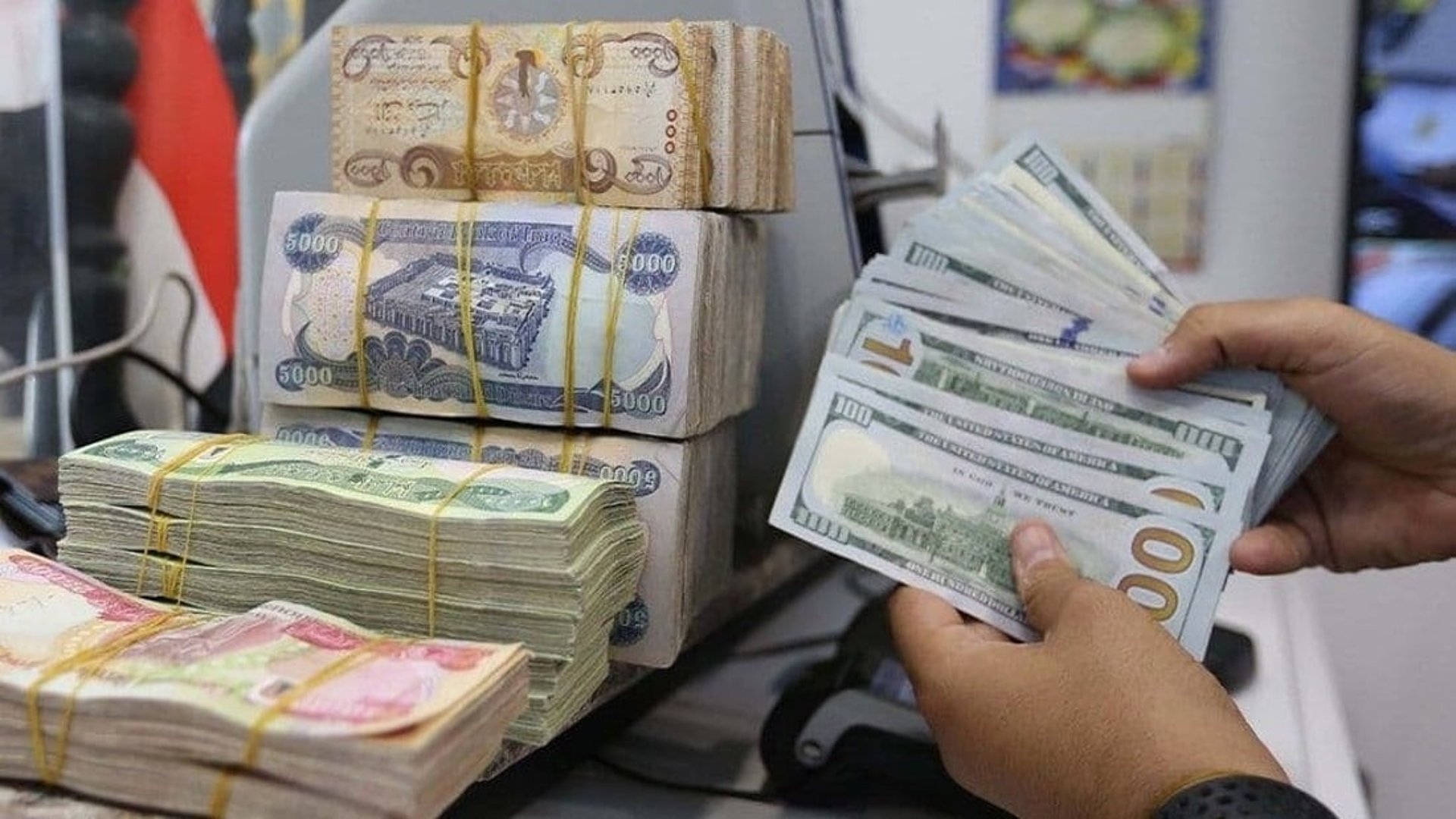
The Iraqi dinar has been steadily depreciating against the US dollar, driven by a combination of regional tensions, domestic protests, increased government spending, and rising demand for foreign currency. Key factors such as the ongoing Israel-Hezbollah conflict, protests in Iraq, and economic instability have exacerbated the dinar’s decline. This analysis explores the dynamics behind this currency crisis and its potential long-term consequences for Iraq’s economy.
Regional Tensions and Currency Instability
The Iraqi dinar’s devaluation has been fueled by significant regional tensions, particularly the ongoing conflict between Israel and Lebanon’s Hezbollah. This war has cast a shadow of uncertainty across the region, influencing investor behavior and the movement of capital. As a result, many in Iraq, fearing instability, have sought the safety of the US dollar, leading to increased demand. The Israeli-Hezbollah war, with its potential to escalate, has created an atmosphere of financial caution and fear, prompting capital flight from Iraq and further weakening the dinar.
The conflict’s effect on Iraq is not limited to economic measures; it also has political and social consequences. Heightened insecurity in the region translates into diminished investor confidence, which is crucial for economic stability. Businesses and individual investors alike are shifting towards US dollars, exacerbating the pressure on the Iraqi dinar. The dinar’s steady depreciation, particularly in the Kurdistan Region, reflects broader regional anxieties that spill over into Iraq’s economic environment. According to Bilal Saeed, a trade and marketing consultant, speaks for K24 this is one of the most influential factors undermining the dinar’s value.
Domestic Protests and Political Instability
In addition to regional conflicts, Iraq has been dealing with domestic unrest, including anti-government protests, which have added to the dinar’s decline. These protests, sparked by Israeli attacks on Lebanon, have created domestic turmoil, affecting both public confidence and the country’s financial stability. Iraq’s Shiite militias, such as Hashd al-Shaabi, have been drawn into the fray, intensifying concerns of potential US retaliatory strikes against these groups. The anticipation of conflict has caused further market volatility, weakening the currency.
The demonstrations have also led to instability within the government, which has struggled to manage the economic fallout. The government’s inefficacy in addressing public concerns has triggered fears of broader political instability. These fears have translated into additional demand for US dollars, as businesses and individuals attempt to hedge against potential economic crises. This cycle of unrest, insecurity, and economic weakness continues to place downward pressure on the dinar, leaving the country vulnerable to further currency depreciation.
Government Spending and Economic Pressures
The Iraqi government’s fiscal policies have also played a central role in weakening the dinar. To finance its extensive expenditures, the government has relied heavily on the sale of US dollars. As these dollars are converted into dinars, the supply of dinars in circulation increases, which subsequently devalues the currency. This increase in money supply without a corresponding rise in economic output has led to inflationary pressures, further eroding the dinar’s purchasing power.
Government spending has often been criticized for being inefficient and not addressing the structural issues plaguing Iraq’s economy. The reliance on oil revenues, fluctuating in response to global oil prices and regional geopolitical factors, adds further instability. In particular, as oil prices rise or fall, so does the government’s ability to manage its budget, affecting the supply of foreign currency in the market. This volatility has compounded the challenges facing the dinar.
As the government continues to exchange US dollars to fund its operations, the dinar remains at risk of further depreciation. This scenario is particularly troubling as it affects the day-to-day economic activities of Iraqis, who must contend with rising prices and reduced purchasing power.
Increased Demand for US Dollars and Regulatory Restrictions
The demand for US dollars in Iraq has surged not only due to fear of instability but also as a result of business needs. Both citizens and businesses have been actively seeking to acquire US dollars as a safeguard against economic volatility or for investment purposes. With rising demand, the price of the dollar relative to the dinar continues to increase, exacerbating the currency crisis.
Remittance restrictions and other regulatory measures have also complicated the situation. As regulations limit the flow of money outside the country, individuals and businesses scramble to secure US dollars to transfer funds abroad. This increased demand, coupled with the restrictions, creates a scenario where the supply of US dollars in the market is insufficient to meet the demand, leading to further depreciation of the dinar.
Bilal Saeed emphasizes that unless these regulatory hurdles are addressed and regional tensions subside, the dinar will continue its downward trajectory. The combined effects of regional insecurity, governmental mismanagement, and regulatory restrictions are suffocating the currency’s potential for recovery.
The Broader Economic Outlook
The broader economic outlook for Iraq is grim, with no immediate relief in sight for the dinar’s depreciation. Saeed predicts that as long as regional tensions, particularly the conflict between Israel and Hezbollah, persist, the dinar will continue to lose value against the US dollar. The ongoing uncertainty around these conflicts, combined with Iraq’s own economic and political challenges, suggests that the dinar’s depreciation is not a temporary phenomenon but part of a longer-term trend.
The situation in Iraq’s currency markets mirrors broader global economic dynamics. For instance, gold prices have eased as the US dollar held strong amidst concerns over a widening war in the Middle East. While gold is traditionally considered a safe-haven asset during periods of political uncertainty, it too has been influenced by the strengthening US dollar, particularly as investors await economic data from the US that could impact Federal Reserve policy. Oil prices have also been volatile, reflecting fears of potential supply disruptions from the Middle East, which could further strain Iraq’s economy, heavily reliant on oil exports.
With the dinar already under pressure, a worsening of regional conflicts or further domestic unrest could drive additional depreciation. The Iraqi economy’s over-reliance on oil exports, coupled with insufficient economic diversification, makes the country particularly vulnerable to external shocks. The government’s inability to implement meaningful reforms further complicates the situation, making it unlikely that the dinar will recover without significant changes in both domestic and international conditions.
Challenges Ahead for Iraq’s Economy
The depreciation of the Iraqi dinar reflects deep-seated economic and political challenges. Regional tensions, particularly the Israel-Hezbollah conflict, have heightened economic uncertainty in Iraq, driving demand for US dollars. Domestic protests, government spending policies, and increased demand for foreign currency have all contributed to the dinar’s decline. As Iraq grapples with these multifaceted issues, it faces an uphill battle in stabilizing its currency and restoring economic confidence. Without addressing the root causes of instability, the dinar will likely continue its downward trend.