

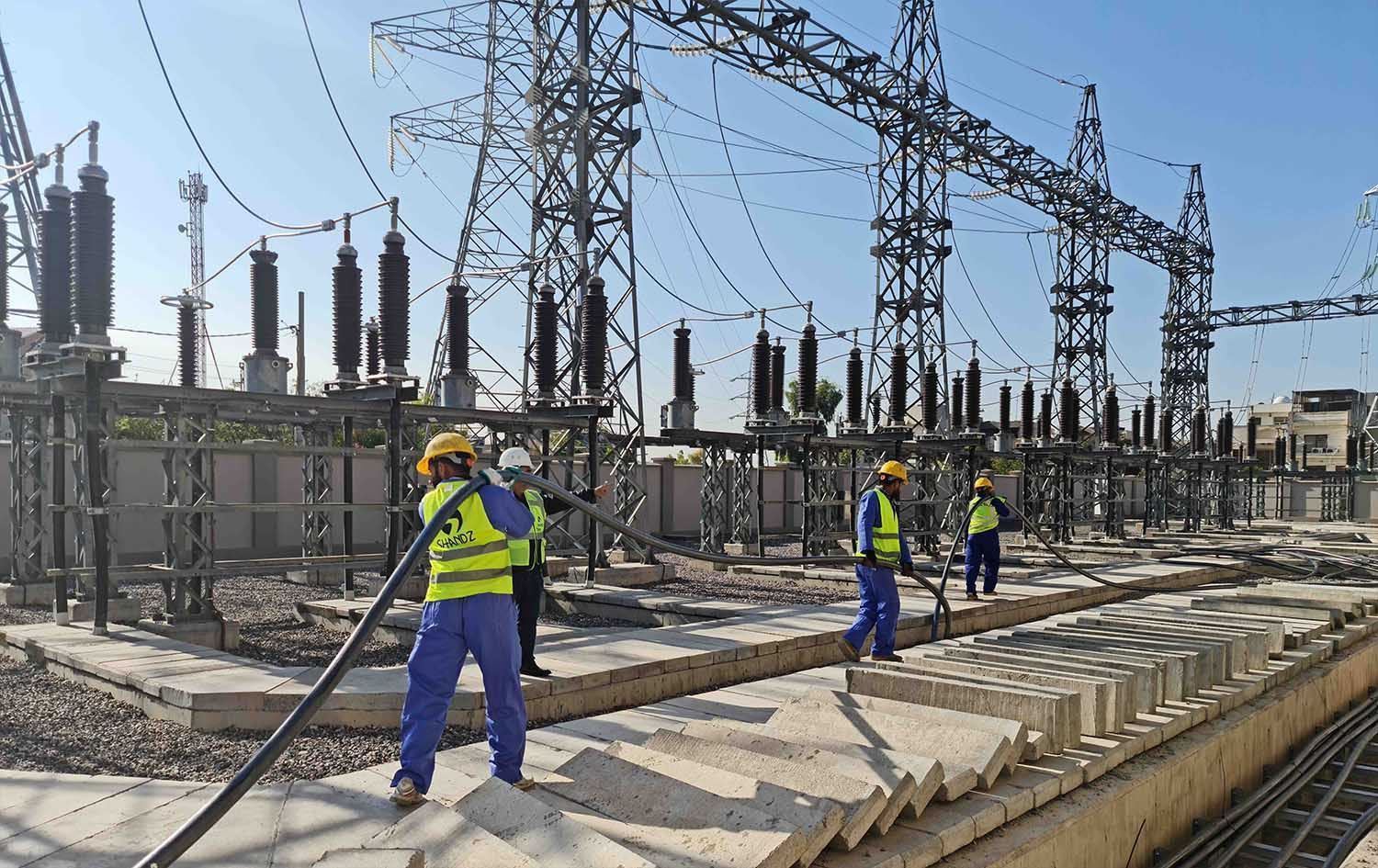
Iran’s sudden halt of gas exports to Iraq and the deprivation of millions of citizens from thousands of megawatts of electricity is not merely a technical issue related to unfavorable circumstances, but rather a clear indicator as part of thousands of problems with which Baghdad is grappling.
This crisis demonstrates how the energy sector in Iraq has been transformed from a service utility into an effective political weapon in the conflict between Tehran and Washington.
When Iran supplies approximately 40% of Iraq’s electricity needs, Baghdad effectively becomes hostage to the cold war between America and Iran. Here, gas is not merely fuel; for Washington, it is a knot that must be untied, and Baghdad must somehow sever its energy relations with Tehran. Washington’s strategy is to suffocate Tehran within sanctions, while one of Tehran’s objectives regarding energy and natural gas relations with Baghdad is to use it as a tool of pressure that Tehran employs during times of financial constraints or to obtain political concessions from America, reaching out and pressing upon the sensitive nerves of Iraqi society.
From a critical perspective, the essence of the problem manifests itself in the energy crisis in which Iraq lives—a country sitting upon a sea of gas that annually burns immense quantities of natural gas in its oil fields, yet depends on a sanctioned neighbor to illuminate its homes. This represents the greatest strategic failure of successive Iraqi governments that have been unable to achieve energy independence.
All these tensions between Washington and Tehran have placed Iraq in an embarrassing situation, as on one hand it cannot pay for the gas in dollars, and on the other hand it lacks the ability to relinquish that energy. The consequence is that billions of Iran’s dollars are blocked in the Trade Bank of Iraq, and Tehran can only use them to purchase food and medicine. This enables Iran to use gas control as leverage whenever it wishes to create pressure on Washington, making Iraq the victim.
Although Baghdad is now attempting to escape this dependency through major projects such as the TotalEnergies agreement and connecting power lines to the Gulf states and Jordan, these steps are too late. These projects require many years to bear fruit, which means Iraq will remain under the mercy of Tehran’s political calculations for an extended period.
The problem is not only American sanctions, but also the absence of national will to invest in domestic gas. As long as energy is used as a pressure card in the conflict among major powers, Iraq’s sovereignty will remain suspended, and any cooling of relations between Tehran and Washington, or any internal shortcoming in Iran, will directly plunge the daily life of Iraqi citizens into darkness.
The real solution does not lie in diplomacy, but in liberating the energy sector from geopolitical hegemony and transforming it into an independent national infrastructure.
- Translated by Nawroz Mohammed for Kfuture.Media.