

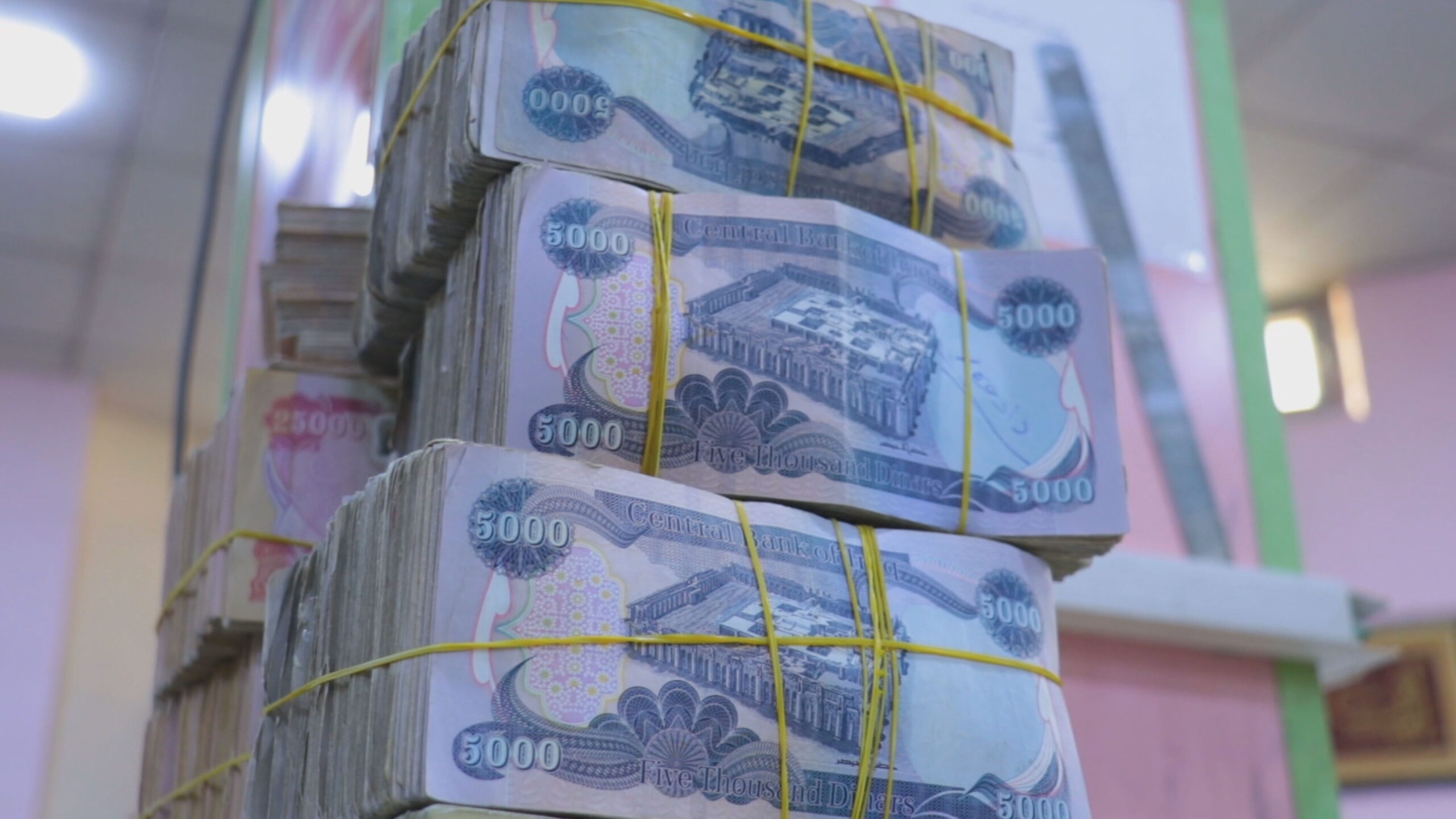
Sulaymaniyah province generated 118.926 billion dinars in non-oil revenue during the first 24 days of July 2025, marking a dramatic 91% increase compared to the previous month’s performance.
Revenue Composition and Collection Methods
The substantial revenue collection demonstrates the diverse nature of non-oil income streams flowing through Sulaymaniyah’s provincial operations. Cash transactions comprised 33.215 billion dinars of the total collection, while check payments accounted for 5.708 billion dinars. The largest portion of revenue, totaling 80.550 billion dinars, was generated through debt-to-debt settlements, representing the majority of the month’s financial activity.
This comprehensive revenue collection system operates through six treasury locations, with financial data being entered into the transparency platform system hourly by 828 dedicated employees. The systematic approach ensures real-time monitoring and accurate recording of all financial transactions across multiple collection points. The transparency platform provides continuous oversight of revenue generation activities, allowing for detailed analysis of income patterns and trends.
The revenue collection infrastructure encompasses multiple administrative levels, involving 28 ministries and departments, 109 general directorates, 516 directorates, and 781 offices across the provinces of Sulaymaniyah and Halabja, as well as the independent administrations of Garmian and Raparin. This extensive network ensures comprehensive coverage of all revenue-generating activities within the provincial region.
Alan Rauf Jaf, the non-oil revenue official at the transparency platform, explained that the increase in non-oil revenue, particularly in the debt-to-debt settlement category, represents a significant component of overall revenue growth in the Sulaymaniyah and Halabja border regions. This revenue is treated as legitimate income and contributes substantially to the provinces’ financial resources.
Monitoring Systems and Year-to-Date Performance
The transparency platform maintains rigorous monitoring protocols to ensure optimal revenue collection across all administrative units. Officials conduct detailed supervision of all offices and administrative units, implementing follow-up procedures for any institution experiencing decreased revenue generation. This proactive approach helps identify potential issues early and ensures consistent performance across the revenue collection network.
From the beginning of 2025 through July 24, the cumulative non-oil revenue for Sulaymaniyah and Halabja borders reached 530.286 billion dinars, demonstrating sustained financial performance throughout the year. This substantial accumulation reflects the effectiveness of the implemented monitoring systems and the consistent application of collection procedures across all participating institutions.
The 91% increase in July revenue compared to the previous month indicates significant improvement in economic activity and administrative efficiency within the border region. This dramatic growth suggests enhanced trade activities, improved collection procedures, or both factors working in combination to boost overall revenue performance.
The systematic approach to revenue collection, involving hourly data entry and continuous monitoring, ensures accuracy and transparency in financial reporting. The platform’s comprehensive coverage extends across multiple administrative levels, creating a unified system that captures revenue from diverse sources while maintaining detailed records for analysis and accountability purposes.
This strong revenue performance positions Sulaymaniyah and Halabja provinces favorably for continued economic development and demonstrates the effectiveness of the implemented transparency and monitoring systems in maximizing non-oil revenue collection potential.