

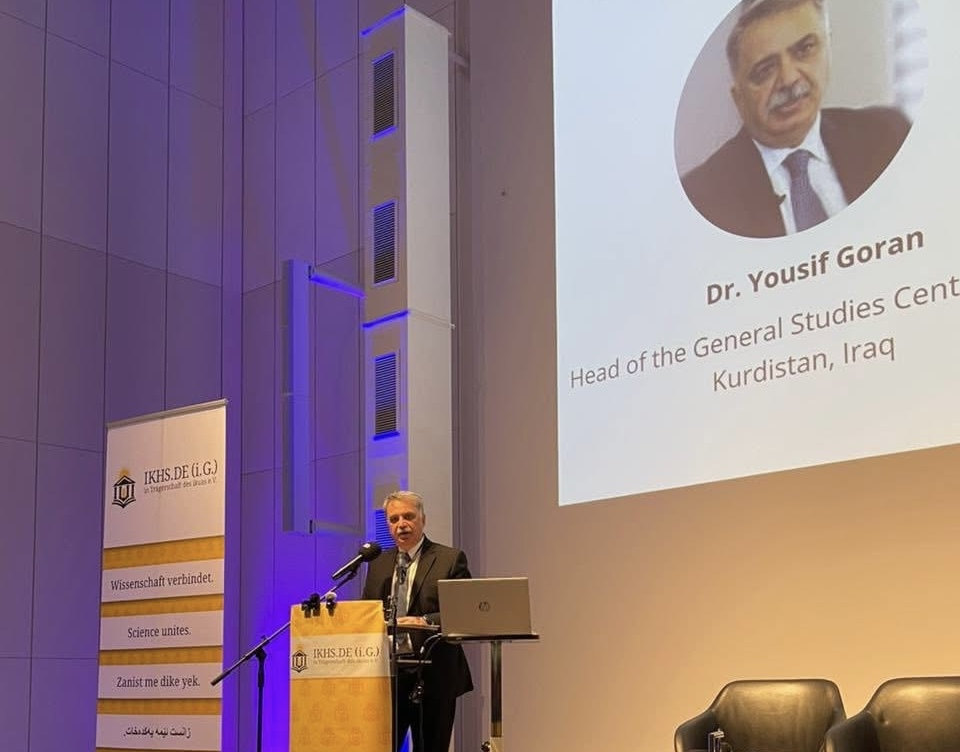
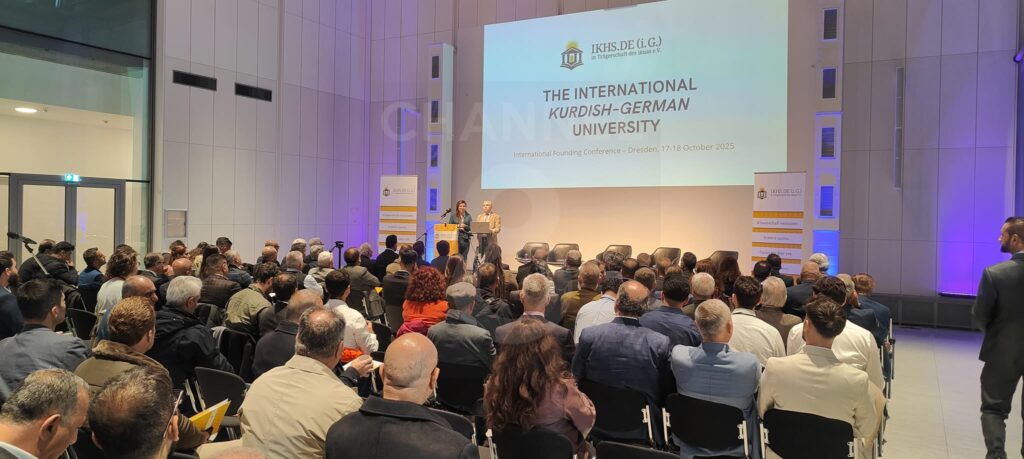
The First Kurdish-German University officially opened in Dresden, Germany, on October 17, 2025, marking a groundbreaking achievement for the Kurdish community in Europe. The two-day inaugural conference celebrated the first Kurdish university in Germany, promising educational opportunities for the growing diaspora.
The opening of the Kurdish-German University in Dresden represents a transformative moment in Kurdish educational history. The inauguration ceremony brought together distinguished Kurdish leaders, academics, and supporters who recognized the profound significance of this historic achievement for Kurdish communities across Europe.
Kurdish Leaders Highlight National Significance
Dr. Yousif Goran, head of the General Studies Center of the Patriotic Union of Kurdistan (PUK) participated in the ceremony and delivered a keynote address emphasizing the university’s multifaceted importance. “The opening of this university has several important dimensions,” Dr. Goran stated. “First, it has a national dimension as this is the first time a Kurdish university is being established in Germany. The Kurdish people outside Kurdistan, whose numbers have grown significantly, can now benefit greatly from this university.”
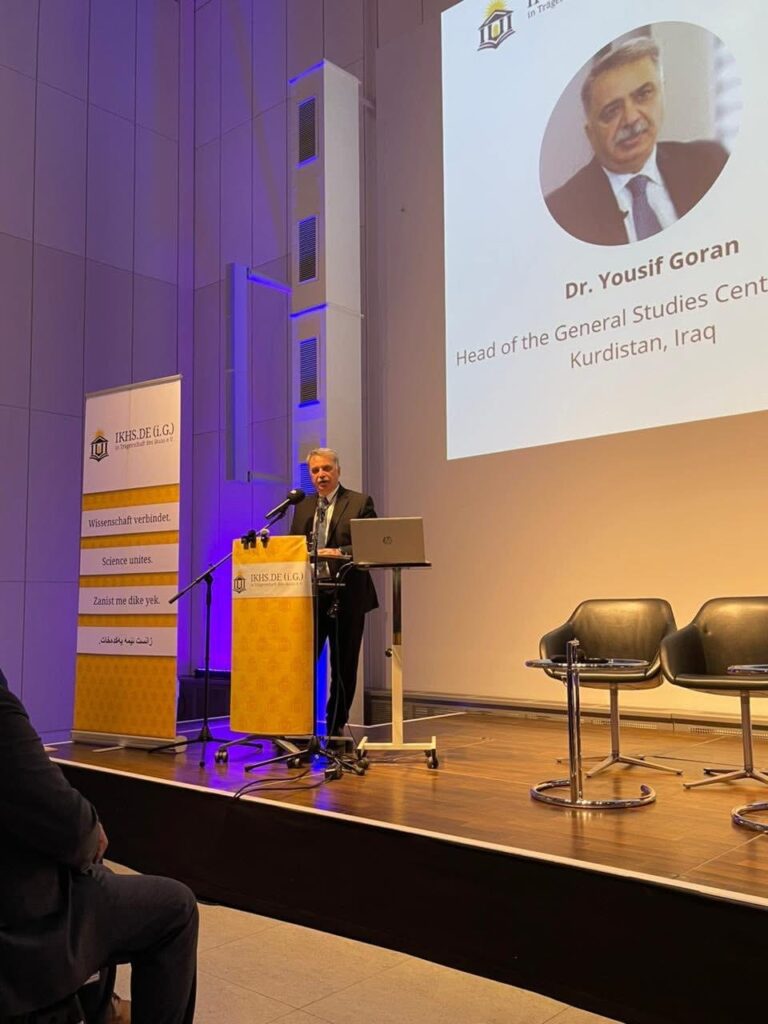 Dr. Goran highlighted the university’s potential to serve as a vital connection between the Kurdistan Region and Kurdish communities abroad. “This university can create many foreign experts in various fields for Kurdistan,” he explained. The institution aims to facilitate knowledge exchange that will benefit Kurdish regions while strengthening diaspora connections.
Beyond serving Kurdish students, the university opens opportunities for Germans and other Europeans interested in Kurdish studies. “There are many people abroad who want to learn about Kurdish history, culture, economy, and social aspects—to know the Kurds, whether they are German or European people,” Dr. Goran noted. “This is very important for the field of Kurdish studies and Kurdistan studies, and for strengthening Kurdish connections both from Europe to Kurdistan and from Kurdistan to the outside world.”
Dr. Yunus Behram, President and founding committee member of the Kurdish-German University, emphasized that the institution’s primary mission is to serve the Kurdish people through accessible, high-quality education.
Multilingual Academic Framework and Programs
The university distinguishes itself through an ambitious multilingual educational model. Classes will primarily be conducted in Kurdish, offering instruction in both Kurmancî and Soranî dialects. For social sciences and engineering programs, a trilingual approach incorporating Kurdish, German, and English will be implemented.
According to Behram, the initiative emerged when Kurdish-language primary schools opened in North and East Syria, prompting parents to ask, “How will our children continue to university?” The institution plans to offer undergraduate and graduate programs emphasizing Kurdish studies, literature, social sciences, and engineering, though medical studies will not be included initially.
Cultural Mission and Future Vision
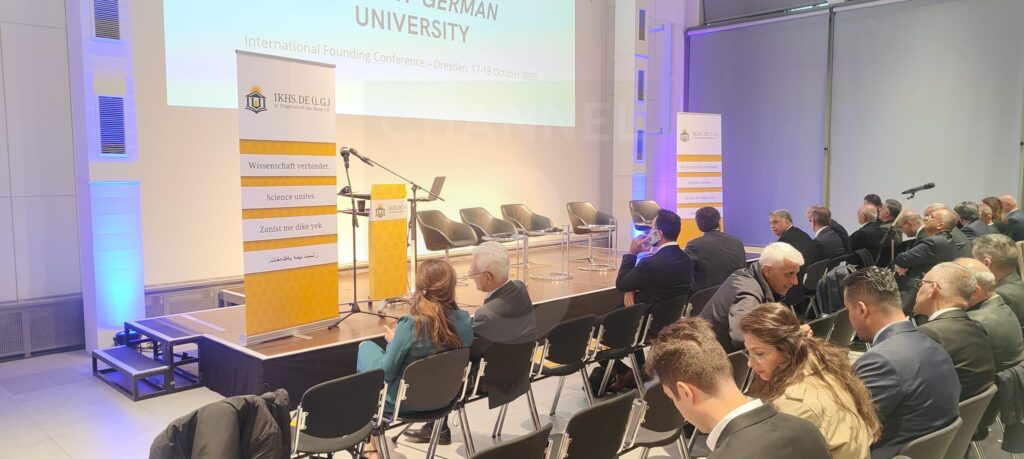
“This university represents more than just an educational institution—it’s the first institutional opening for Kurdish language and identity in Europe,” Behram explained. What began as a “Kurdology Institute” concept evolved into an independent university vision with support from Kurdish and German academics, diplomats, and politicians.
The founding committee plans to complete preparations soon and welcome the first students. The university will operate with financial and structural models adhering to German higher education standards while providing quality multilingual education. A long-term goal includes developing a standardized academic Kurdish language that bridges the Kurmancî and Soranî dialects, ensuring cultural preservation for future generations.