

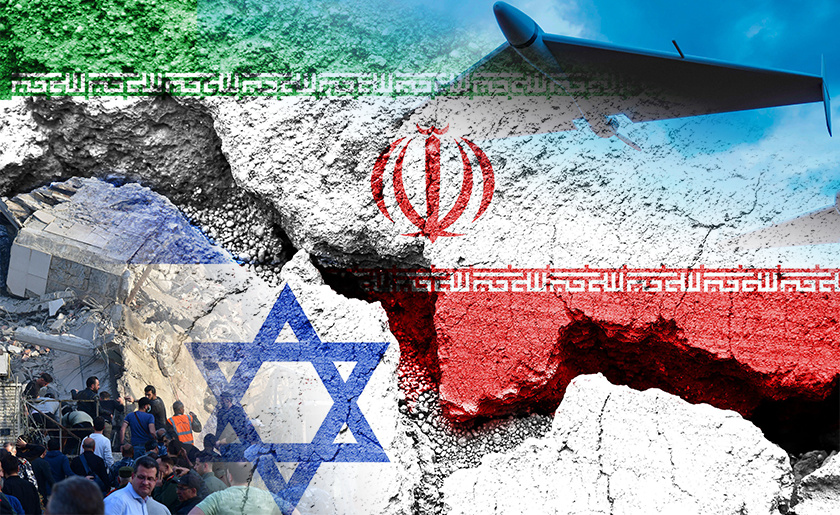
The Israeli strikes on Iranian nuclear facilities and military installations represent a pivotal moment in Middle Eastern geopolitics, marking a transition from shadow warfare to open conflict. The targeted elimination of high-ranking Revolutionary Guard commanders, including Major General Hossein Salami, alongside nuclear scientists, demonstrates Israel’s strategic calculation that weakening Iran’s military command structure and nuclear capabilities serves its long-term security interests. This escalation occurs against the backdrop of failed diplomatic negotiations and Iran’s advancing uranium enrichment program, creating a volatile situation with far-reaching implications for regional stability.
Strategic Context and Escalation Dynamics
Israel’s decision to launch these strikes reflects a convergence of several factors. The collapse of nuclear negotiations between Iran and the United States, coupled with Iran’s acceleration of uranium enrichment to 60% purity levels, created what Israeli leadership perceived as an existential threat requiring immediate action. The timing, occurring just days before scheduled diplomatic talks, suggests Israel’s assessment that diplomacy had reached a dead end and military action was necessary to prevent Iran from achieving nuclear weapons capability.
The nature of the strikes reveals Israel’s strategic intent: rather than seeking Iran’s complete collapse, Israel aims to systematically degrade Iran’s nuclear and military capabilities while maintaining regional balance. By targeting both nuclear scientists and military commanders, Israel seeks to disrupt Iran’s institutional knowledge and operational capacity, buying time to reshape the regional security architecture.
Iran’s Response Calculations
Iran faces a complex strategic dilemma in formulating its response. Tehran must balance demonstrating strength to maintain domestic legitimacy and regional influence against the risk of escalating into a broader conflict that could involve the United States. Iran’s response options include direct military retaliation, activation of proxy forces across the region, acceleration of nuclear development, or diplomatic engagement with international partners to isolate Israel.
The targeting of senior Revolutionary Guard leadership particularly complicates Iran’s response calculations. The Revolutionary Guard serves as both a military force and a political institution central to Iran’s regional influence. The loss of key commanders disrupts operational continuity and may encourage more aggressive responses from hardline factions seeking to restore deterrence.
Regional Proxy Dynamics
The strikes create significant implications for Iran’s regional proxy network, particularly in Iraq, Lebanon, and Yemen. Iranian-aligned groups in Iraq, including elements within the Popular Mobilization Forces (Hashd al-Shaabi), face pressure to respond while considering the potential consequences for Iraq’s stability and sovereignty. These groups must weigh their loyalty to Iran against Iraq’s national interests and the risk of drawing Iraq into a broader conflict.
The activation of proxy forces represents Iran’s most likely initial response, as it allows Tehran to retaliate while maintaining plausible deniability and avoiding direct confrontation with Israel or the United States. However, this strategy risks escalating the conflict across multiple fronts and potentially drawing in additional regional and international actors.
Implications for Iraq
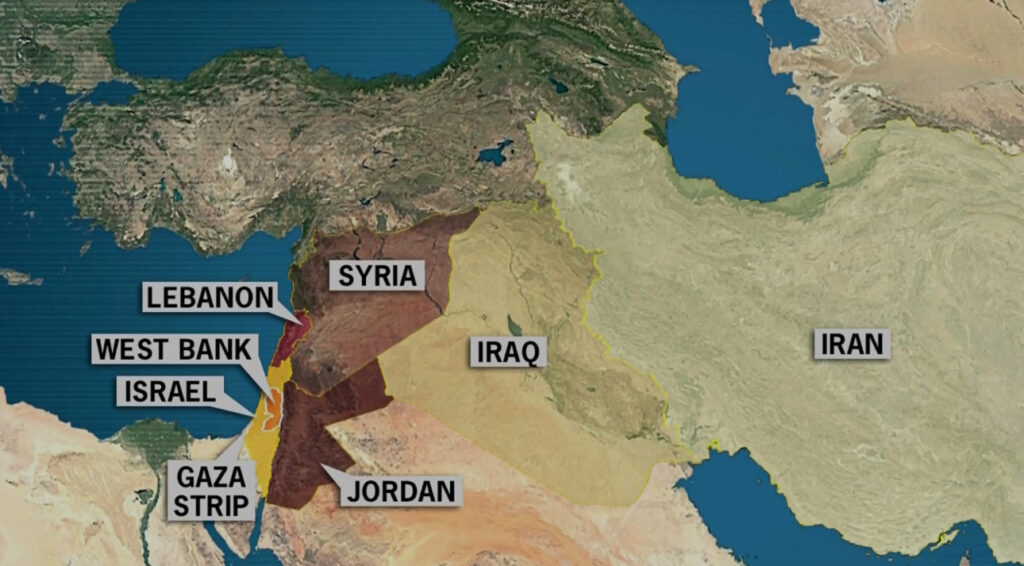
Iraq finds itself in an exceptionally precarious position, facing multiple competing pressures and interests. The country’s geographic proximity to Iran, combined with the presence of Iranian-aligned militias within its borders, makes it a likely theater for proxy retaliation. Simultaneously, Iraq hosts approximately 2,500 U.S. military personnel and maintains diplomatic relations with both Iran and the United States.
The evacuation of U.S. embassy personnel from Baghdad signals American expectations of potential Iranian retaliation through Iraqi proxies. This development places the Iraqi government in an impossible position: it must attempt to maintain sovereignty over its territory while managing the competing demands of Iran, the United States, and various domestic factions.
Iraq’s economic dependence on Iran for energy imports and trade relationships further complicates its position. Any escalation that disrupts these economic ties could have severe consequences for Iraq’s already fragile economy and infrastructure.
Kurdistan Region Considerations
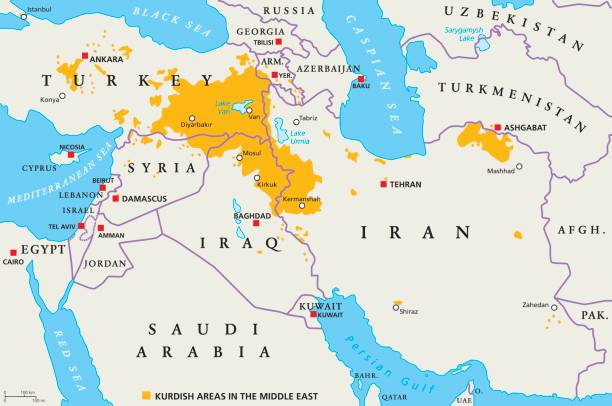
The Kurdistan Region of Iraq faces unique challenges in navigating this crisis. While maintaining relative autonomy from Baghdad, the region must consider its relationships with multiple international partners, including the United States, European nations, and Turkey. The Kurdistan Region’s strategic location and energy resources make it potentially valuable to various actors seeking to counter Iranian influence.
The region’s leadership must balance maintaining good relations with Iran, which shares a significant border with Kurdistan, while protecting its interests and population from potential spillover effects. The presence of Iranian-backed groups in areas disputed between Baghdad and Erbil adds another layer of complexity to the security calculus.
Recommended Strategic Responses
For Iraq:
Iraq should prioritize maintaining neutrality while asserting sovereignty over its territory. This requires several key actions:
– Diplomatic Engagement: Baghdad should engage with all parties to prevent Iraq from becoming a battlefield for external conflicts. This includes coordinating with Iran to prevent proxy attacks from Iraqi territory while reassuring the United States of Iraq’s commitment to protecting American interests.
– Security Measures: Iraq must strengthen its security apparatus to prevent unauthorized military activities by any group within its borders. This includes enhanced monitoring of Iranian-aligned militias and coordination with international partners on intelligence sharing.
– Economic Diversification: Iraq should accelerate efforts to reduce economic dependence on Iran by diversifying energy sources and trade relationships. This includes exploring alternative energy imports and strengthening ties with Gulf states and other regional partners.
– Constitutional Clarity: The Iraqi government should clarify the legal status and operational parameters of all armed groups within its territory, ensuring that the state maintains monopoly over the legitimate use of force.
For the Kurdistan Region:
The Kurdistan Region should leverage its unique position to maintain stability while protecting its interests:
– Regional Diplomacy: The Kurdistan Region should engage in quiet diplomacy with all parties, emphasizing its commitment to regional stability and its role as a mediating force.
– Security Cooperation: Enhanced coordination with Iraqi government, international partners on security matters, including intelligence sharing and joint training programs, can help protect the region from spillover effects.
– Economic Resilience: The Kurdistan Region should continue developing its independent economic capabilities, including investments, tourism, energy exports and international trade relationships, to reduce vulnerability to regional instability.
– Humanitarian Preparedness: Given the region’s history of hosting displaced populations, Kurdistan should prepare for potential humanitarian consequences of regional escalation.
Potential Scenarios and Outcomes
Several scenarios could emerge from this crisis:
– Scenario 1: Controlled Escalation: Iran responds through proxy forces with limited attacks on Israeli or American interests, leading to a cycle of measured retaliation that eventually de-escalates through diplomatic intervention.
– Scenario 2: Regional War: Iran’s response triggers broader Israeli retaliation, potentially drawing in the United States and leading to a multi-front regional conflict involving Lebanon, Syria, and Yemen.
– Scenario 3: Diplomatic Resolution: International pressure and the costs of escalation lead to renewed diplomatic efforts, potentially resulting in a modified nuclear agreement and regional security arrangement.
– Scenario 4: Iranian Nuclear Acceleration: Iran withdraws from international agreements and rapidly advances its nuclear program, potentially crossing the threshold to weapons capability and fundamentally altering regional dynamics.
Conclusion
The Israeli strikes on Iran represent a critical juncture in Middle Eastern geopolitics, with implications extending far beyond the immediate bilateral conflict. For Iraq and the Kurdistan Region, the priority must be maintaining stability while protecting their populations and interests. This requires careful diplomatic navigation, security preparedness, and economic resilience measures.
The coming weeks will likely determine whether this escalation leads to broader regional war or creates opportunities for new diplomatic arrangements. Both Iraq and the Kurdistan Region must remain prepared for multiple scenarios while working to prevent their territories from becoming battlegrounds in a conflict that serves neither their interests nor those of their populations.
The international community has a crucial role in preventing escalation and promoting diplomatic solutions. However, regional actors must also take responsibility for their own security and stability, recognizing that the costs of inaction or miscalculation could be catastrophic for the entire Middle East.