

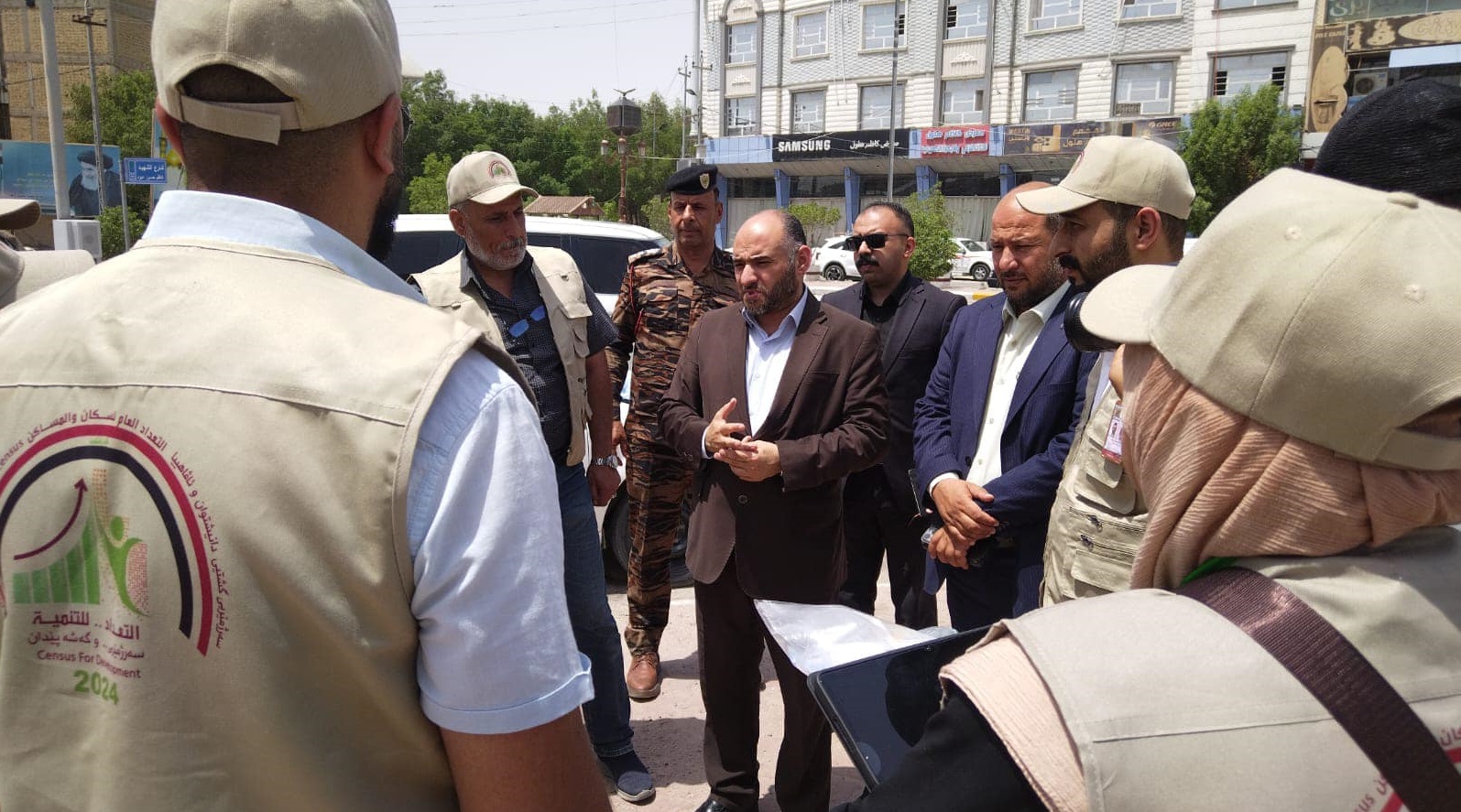
The upcoming population and housing census in Iraq, scheduled for November 20–21, 2024, has sparked significant attention. Kurdistan Regional Government (KRG) officials emphasize avoiding politicization while addressing concerns in disputed areas like Kirkuk. With over 120,000 census takers and a phased approach, the census aims to update Iraq’s population data, impacting budget allocations, representation, and regional stability. However, long-standing tensions over ethnicity and territory highlight the complexities of this nationwide effort.
The Role of the Census in Iraq’s Future
The 2024 population and housing census, Iraq’s first in decades, is seen as a critical step in addressing longstanding demographic uncertainties. The KRG’s Minister of Planning, Dr. Dara Rashid, highlighted the importance of keeping the census free from political bias during a press conference in Erbil on November 14, 2024. Dr. Rashid urged that the census uphold the rights of all communities in Iraq, stating, “The population census must not be politicized, and the rights of all communities must be protected.”
The census will use data from the 1957 census as its foundation, ensuring the rights of all ethnic groups. Dr. Rashid called on citizens of the Kurdistan Region and those in disputed areas to cooperate actively, noting that registration will close after November 21.
The results of the census are expected to clarify the Kurdistan Region’s population and directly influence its share of the federal budget. After years of disputes, the budget allocation for the Region was reduced from 17% to approximately 12%. This initiative will also impact the Region’s representation in the Iraqi parliament and federal institutions. Dr. Rashid emphasized the importance of these outcomes for ensuring equitable governance and resource allocation.
Processes and Structure of the Census
The census involves a three-phase process, beginning with household visits across all 19 Iraqi provinces, including the Kurdistan Region. The first phase, conducted from November 15–19, involves Planning Ministry teams visiting homes to record household data and collect documentation. These efforts cover areas such as Erbil, which includes 15 districts, 46 sub-districts, 150 villages, and 537 neighborhoods, according to Delzar Hama Saleh, head of the Statistic Directorate in Erbil.
The second phase, taking place on November 20–21, will involve a mandatory curfew, ensuring all family members remain at home to be counted. A third phase, extending into early December, will finalize data collection and analysis. Over 120,000 census takers are tasked with visiting households to collect responses to a detailed questionnaire featuring over 70 questions, ranging from family demographics to socioeconomic details.
The Kurdistan Regional Government has declared a nine-day public holiday for employees and students to facilitate participation. This measure is particularly relevant in disputed territories affected by Article 140 of the Iraqi Constitution, which addresses territorial disputes stemming from past Arabization policies under the Baathist regime.
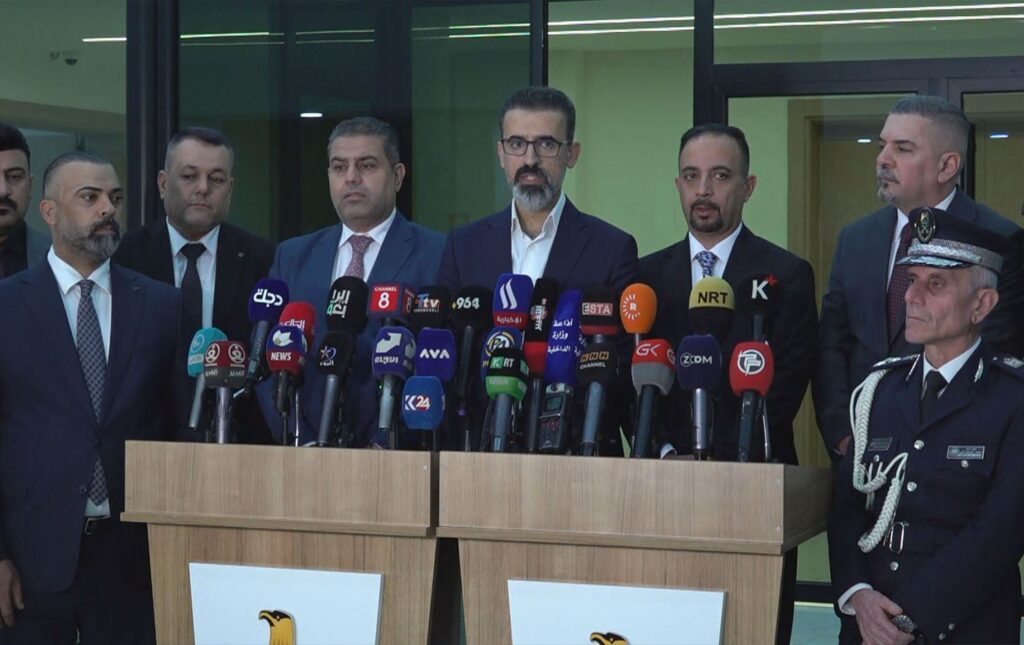
Kirkuk Governor Urges Return for National Census Amid Historic Population Count
Kirkuk Governor Rebwar Taha has called on residents originally from the disputed province to return to their homes ahead of Iraq’s national census on November 20-21. Addressing a press conference, Taha emphasized the importance of participating in the census to secure rights and entitlements for the future, highlighting that the process will focus on development rather than ethnicity. This marks Iraq’s first census in decades, aiming to resolve longstanding issues like Baathist-era Arabization, disputed territories, and the Kurdistan Regional Government’s (KRG) federal budget share. The Iraqi government has approved a KRG proposal to count individuals based on their place of origin, referencing historical data from the 1957 census.
Officials have assured that the census will exclude ethnicity and sectarianism, promoting inclusivity and national development. Minority groups, including Assyrians and Chaldeans, have echoed calls for their members to return to ancestral homes to participate. Preliminary results, expected within 24 hours after the census, will provide national and provincial population data. To ensure smooth operations, a nationwide curfew has been announced, while airports and border crossings remain open. The census, postponed since 2020 due to the pandemic, seeks to address Iraq’s estimated population of 50 million and lay the foundation for future governance and resource distribution.
Kirkuk and the Disputed Areas: A Focus of Concern
In Kirkuk and other disputed areas, the census holds heightened significance. Dr. Ahmed Fatih, a member of the Kirkuk Provincial Council, stressed the importance of citizens returning to their original areas to participate. “Every citizen must appear in person before the census teams,” he stated, emphasizing that this effort aims to reaffirm the Kurdish identity of disputed regions.
The use of the 1957 census as a baseline has eased some Kurdish concerns. This approach ensures that demographic data reflect residents’ places of origin, rather than their current locations. Such measures are critical in addressing fears of demographic shifts that could affect resource allocation and political representation.
Ethnicity-related questions remain a contentious issue, particularly in Kirkuk, where Arabization policies displaced many Kurdish residents in past decades. The census is seen as an opportunity to rectify historical injustices and clarify the status of disputed territories. To enhance transparency, KRG representatives will oversee data processing in Baghdad.
Challenges and Opportunities
The census has revived longstanding tensions between Baghdad and Erbil over issues such as ethnicity and territorial disputes. While ethnicity-related questions have historically sparked disagreement, the current census aims to address these concerns without exacerbating divisions. KRG officials have called for a focus on developmental goals, such as updating population databases to guide planning and resource distribution.
Despite these efforts, concerns persist about demographic manipulation in disputed areas. Both Kurdish leaders and federal authorities have sought to address these issues through mutual agreements. For instance, Baghdad has approved the KRG’s request to base census data on residents’ original locations, mitigating fears of unfair demographic shifts.
The census also comes at a critical juncture for Iraq, with significant implications for governance, resource distribution, and stability. Beyond its technical aspects, the census is a symbol of Iraq’s broader effort to overcome historical divisions and establish a foundation for inclusive development.
The 2024 census represents a landmark moment for Iraq, addressing decades of unresolved demographic and territorial issues. With a phased structure and significant logistical preparation, it aims to deliver a comprehensive population database to guide future governance and planning. While the process is fraught with challenges, particularly in disputed areas like Kirkuk, it also offers an opportunity to promote transparency, fairness, and national unity. The active participation of citizens and cooperation between federal and regional authorities will be key to ensuring its success.