

Iraq’s Foreign Ministry has expressed deep concern over Syria’s worsening security situation, warning of its consequences for regional stability. Amid escalating clashes between pro-Assad and transitional government forces, Iraq called for restraint and dialogue. Meanwhile, regional powers are set to meet in Amman to discuss security cooperation and counter-terrorism efforts.
Iraq Calls for Restraint Amid Syria’s Escalating Conflict
On Saturday, Iraq’s Ministry of Foreign Affairs voiced alarm over the rapidly deteriorating security situation in Syria, cautioning that ongoing violence could have severe consequences for regional stability.
In an official statement, the ministry underscored the urgent need to protect civilians from the conflict’s devastating impact. It called on all parties involved to exercise restraint and pursue peaceful solutions through dialogue rather than military escalation. The statement also condemned the deliberate targeting of civilians, warning that continued violence would only deepen instability and hinder efforts to restore peace.
Iraq further urged the international community to intensify efforts to alleviate Syria’s humanitarian crisis. The ministry emphasized the necessity of supporting political initiatives aimed at ensuring Syria’s territorial unity, safeguarding its citizens, and securing long-term stability in the region.
Heavy Clashes in Latakia and Tartous Leave Hundreds Dead
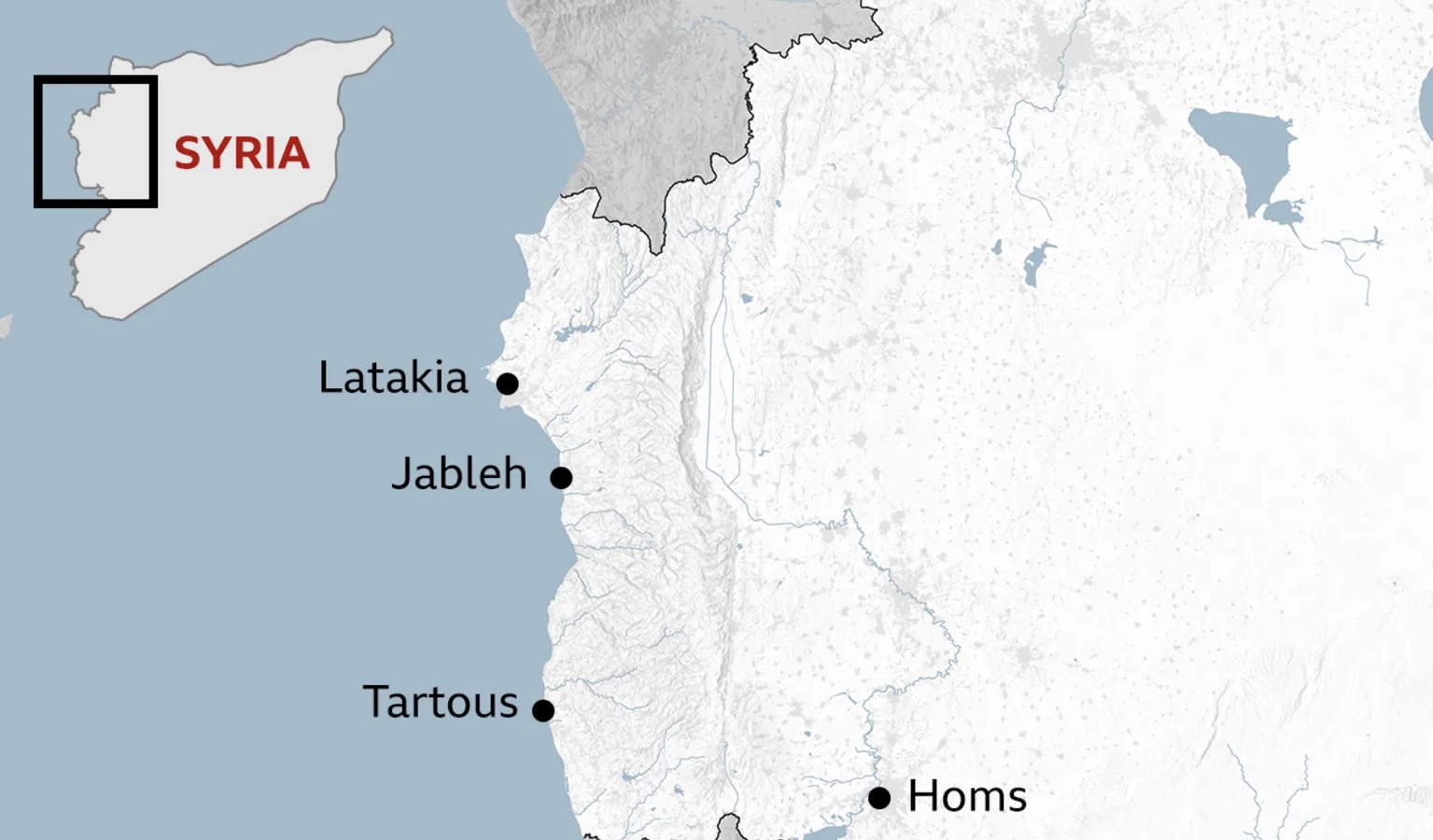
Since Thursday, fierce clashes have erupted between Syrian government forces and remnants of the pro-Assad armed groups in Latakia and Tartous. According to the Syrian Observatory for Human Rights, the fighting has resulted in hundreds of fatalities, marking one of the deadliest escalations since the fall of Bashar al-Assad’s regime.
The Observatory reported that over 300 Alawite civilians had been killed by security forces and their allies as authorities intensified operations against militants loyal to the former president. The total death toll has risen to 524, including 213 security personnel and pro-Assad fighters.
Syria’s transitional president, Ahmad al-Sharaa, pledged to bring members of the former regime to justice, urging opposition forces to surrender and refrain from attacking civilians. His government has imposed curfews and deployed reinforcements to prevent further violence.
Regional Powers Meet in Amman to Address Security Concerns
Against the backdrop of Syria’s escalating violence, high-level delegations from Iraq, Jordan, Syria, and Turkey are set to convene in Amman on Sunday to discuss security cooperation and regional stability. A Turkish diplomatic source told Reuters that the meeting would include foreign ministers, defense ministers, military commanders, and intelligence officials from the four nations.
The discussions will focus on strengthening security coordination, countering terrorism, and combating organized crime. The Turkish official, speaking anonymously, described the meeting as a crucial step in addressing shared security threats.
Last month, Turkish Foreign Minister Hakan Fidan revealed plans for coordinated action against ISIS, with Jordan hosting the inaugural session. This initiative follows growing concerns over ISIS’s resurgence in the region, particularly after Assad’s ouster.
Thousands of ISIS militants remain detained in northeastern Syria under the supervision of the US-backed Syrian Democratic Forces (SDF). However, Turkey considers the SDF and its affiliated People’s Protection Units (YPG) to be terrorist organizations and has demanded their disarmament, calling for control of ISIS detainee camps to be transferred to Syria’s new government.
The outcome of the Amman meeting could have significant implications for the region’s stability and the ongoing counterterrorism efforts. Observers are closely monitoring whether the talks will yield concrete steps toward enhanced security cooperation.
Syrian Security Forces Accused of Executing Alawite Civilians
The conflict’s brutality was further highlighted by reports of Syrian security forces executing dozens of Alawite civilians. BBC Verify confirmed the authenticity of videos showing gunmen setting fire to a building in Homs and dragging a body behind a car in Latakia.
The Syrian Observatory for Human Rights stated that at least 71 people had been killed in recent clashes, including 35 government forces, 32 pro-Assad militants, and four civilians. The Observatory also reported that armed groups loyal to the former regime had ambushed military checkpoints and installations along Syria’s coastline.
Eyewitnesses described the violence as indiscriminate, with paramedics also coming under attack. One Sunni civilian labeled the assault “planned and prepared,” while an Alawite resident of Latakia expressed fear, saying, “Everyone is terrified; we fear becoming scapegoats in this chaos.”
Local reports indicate that former regime fighters have taken control of strategic areas in Latakia’s mountainous regions and Jableh city, launching attacks against security forces. Meanwhile, Syrian military sources reported that government-aligned troops had killed approximately 70 pro-Assad militants and captured over 25 in Jableh and surrounding areas.
In a statement to state media, Syrian Defense Ministry spokesperson Colonel Hassan Abdul Ghani warned Assad loyalists to surrender or face their “inevitable fate.” He noted that thousands had already laid down their arms, while others continued fighting in a futile bid to defend what he called “a regime of murderers and criminals.” The situation presents a major security challenge for interim president Ahmad al-Sharaa, who also faces resistance in southern Syria, where recent clashes with Druze forces have erupted. Meanwhile, the transitional government has pledged to dismantle any remaining chemical weapons stockpiles left by the Assad regime, reaffirming its commitment to international disarmament obligations.
As Syria’s new leadership grapples with ongoing insurgencies and sectarian tensions, the country’s future remains uncertain, with regional actors closely watching the unfolding crisis.