
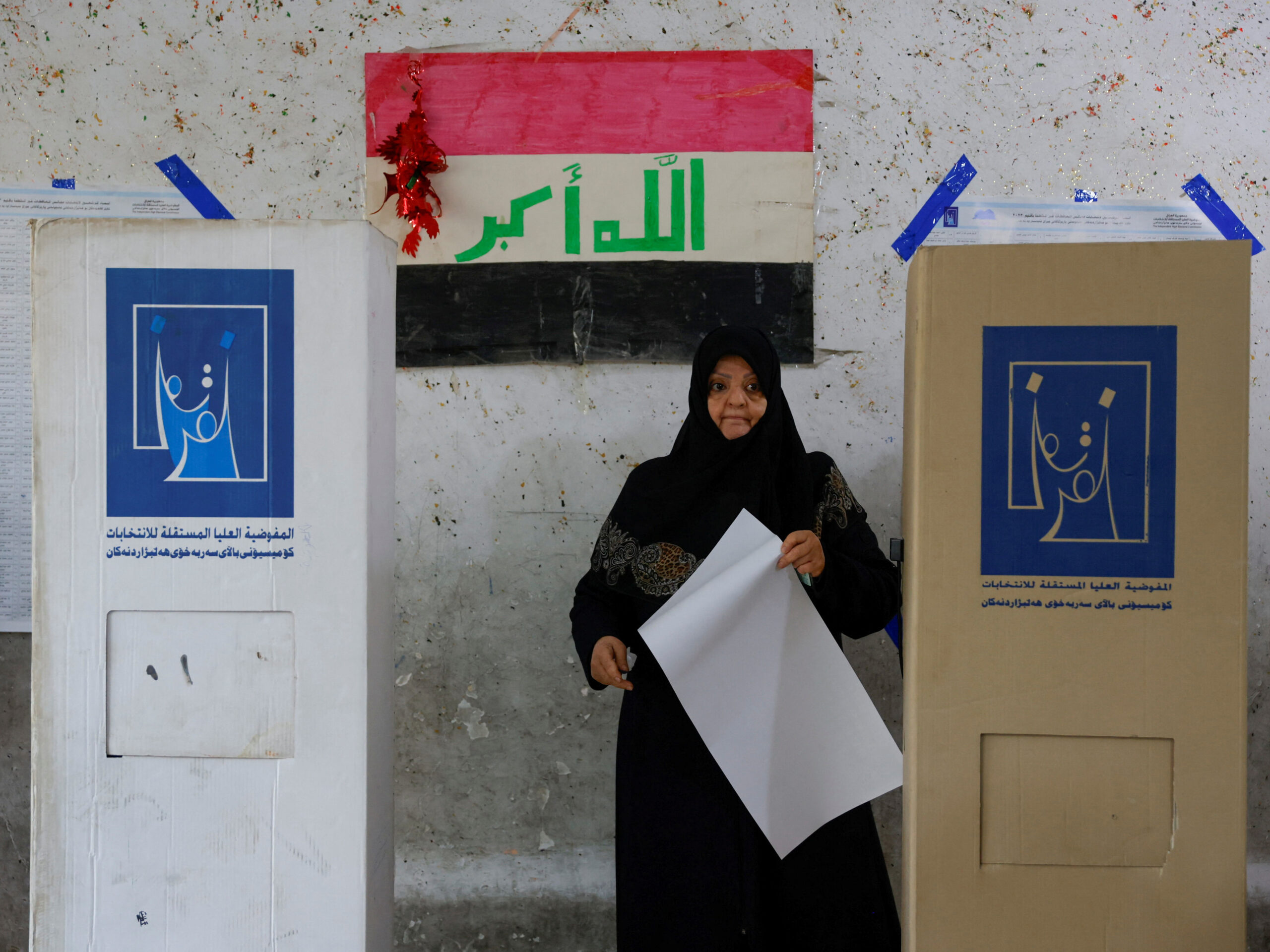
Iraq’s electoral commission announced final results for the 2025 legislative elections, with Prime Minister al-Sudani’s coalition leading in Baghdad with 15 seats. Voter turnout in the capital reached 48.86 percent. The 329-seat parliament will see representation from diverse political blocs across Iraq’s provinces and the Kurdistan Region.
Baghdad Province Claims Largest Parliamentary Allocation
The capital secured 71 parliamentary seats, comprising 69 general seats and two reserved for minorities. Prime Minister Mohammed Shia’ al-Sudani’s Reconstruction and Development Coalition emerged victorious with 15 seats. The Takaddum Front, headed by former speaker Mohammed al-Halbousi, captured 10 seats, while ex-Premier Nouri al-Maliki’s State of Law Coalition obtained nine.
Four political groups shared fourth position with five seats: the Alliance of National State Forces under Ammar al-Hakim and Haider al-Abadi; the al-Sadiqoon Movement led by Qais al-Khazali; Muthanna al-Samarrai’s Azm Front; and Hadi al-Ameri’s Badr Organization.
Three additional blocs tied with four seats: Khamis al-Khanjar’s National Sovereignty Alliance, Mohsen al-Mandalawi’s Iraqi al-Asas Coalition, and the Hoquq Movement linked to Kata’ib Hezbollah.
The ther entities divided the remaining general seats, with al-Hasm al-Watani winning two, and single seats going to Abshir Ya Iraq, PUK one seat, the Services Alliance, and Ishraqat Kanoon. Minority quotas went to Evan Faeq Jabro (Christian) and Bassam Jassib Muhyi (Sabaean).
Southern Provinces Show Coalition Strength
In Najaf, four major coalitions—RDC, ANSF, State of Law, and Sadiqoon—each claimed two of the province’s eight seats. The Services Alliance, Rejoice Iraq, al-Asas, and Ishraqat Kanoon secured one seat apiece.
Diwaniyah saw RDC dominate with three seats, followed by State of Law and Badr with two each. Sadiqoon, ANSF, Services Alliance, and Ishraqat Kanoon won one seat each.
Basra, the southernmost province, delivered six seats to Tasmim, led by Governor Asaad al-Idani. Sadiqoon followed with five and RDC with four. ANSF, State of Law, and Hoquq secured two seats each, while Badr, Rejoice Iraq, and Asas took one each.
In Maysan, RDC led with three seats, while Badr, State of Law, and Sadiqoon won two apiece. ANSF claimed the final seat.
Dhi Qar distributed its seats among RDC, State of Law, and Sadiqoon with three each. ANSF and Badr won two, while six smaller entities—Sumerian Movement, Services Alliance, Abshir Ya Iraq, Ishraqat Kanoon, Supporting the State, and Hoquq—each secured one. Karbala awarded RDC three seats, State of Law and Ishraqat Kanoon two each, and single seats to ANSF, Asas, Sadiqoon, and Badr. Muthanna witnessed no clear majority, with RDC and State of Law tying at two seats, followed by ANSF, Sadiqoon, and al-Asas with one each.
Central Provinces Reflect Diverse Political Landscape
Babil province divided seats among RDC, State of Law, and Sadiqoon with three each. ANSF and Ishraqat Kanoon won two apiece, while Services Alliance, Sumerian Movement, Idrak Movement, and Badr each obtained one.
In Salahaddin, Takaddum, Azm, RDC, and al-Jamahir al-Wataniya tied with two seats each. Unified Salahaddin Coalition, Our Partnership, Hassm, and Tawafuq claimed one seat apiece. Diyala saw Badr and Takaddum lead with three seats each. Sovereignty and Sadiqoon secured two, while Azm, Diyala First, and Thabton won one each. Anbar province heavily supported the Takaddum Front with five seats. Anbar Is Our Identity and the Qeyam Coalition each won three, Azm secured two, and Tafawuq and Sovereignty took one each.
Northern Provinces Show Ethnic and Sectarian Balance
Nineveh province awarded the KDP five seats, with RDC and Takaddum following with four each. Nineveh for Its People and Azm claimed three apiece. Hasm, Badr, Sovereignty, and the PUK-formed Union of Nineveh People won two seats each, while Arabian Project in Iraq, Yazidi Cause, and al-Jamahir al-Watanya secured one each. Minority quotas went to Waad Mahmood (Shabak), Aswan Salid (Christian), and Khalid Cedo (Yazidi).
In disputed Kirkuk, the Patriotic Union of Kurdistan PUK, led by Bafel Talabani, topped results with four seats. Takaddum followed with three and the Turkmen Front with two. The Kurdistan Democratic Party, the Arab Alliance led by Rakan al-Jubouri, and Azm each won one, while the Christian quota went to Imad Youkhana.
Kurdistan Region Solidifies Traditional Power Centers
Erbil province delivered nine seats to the KDP, three to the PUK, two to the National Stance Movement (Halwest) under Ali Hama Saleh, and one to the New Generation Movement led by Shaswar Abdul Wahed. Kaldo Ramzi won the Christian quota seat.
Sulaimaniya saw the PUK dominate with eight seats, Halwest with three, and the KDP, Kurdistan Islamic Union, and New Generation Movement with two each. Kurdistan Justice Group (Komal), headed by Ali Bapir, secured the remaining seat.
Duhok province remained firmly in KDP control with nine seats, while the KIU won two. The Christian minority seat went to Sami Oshana.