

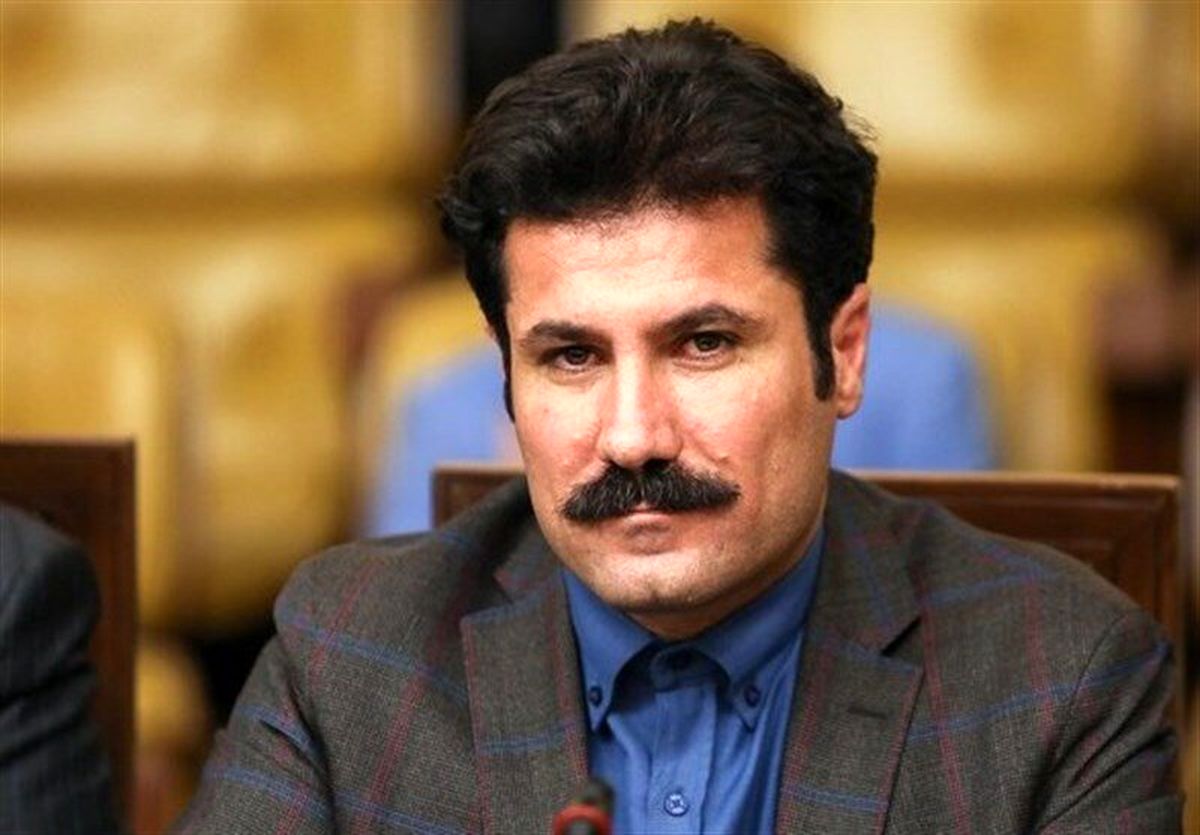
Iranian President Massoud Pezeshkian has appointed Abdolkarim Hosseinzadeh as Vice President for Rural Development. This appointment, announced on August 26, marks the first time a Sunni politician has been elevated to such a high-ranking government position in Iran since the 1979 Islamic Revolution. The move reflects a significant shift towards inclusivity in Iran’s political landscape.
Abdolkarim Hosseinzadeh: A Reformist Advocate
Abdolkarim Hosseinzadeh, born in 1980 in Naqadeh city, Kurdistan of Iran, has been a prominent figure in Iranian politics, particularly noted for his advocacy of Sunni rights. He holds a master’s degree in urban planning from Tehran University of Science and Technology. Hosseinzadeh’s career has been characterized by his commitment to reform and his representation of minority interests.
Hosseinzadeh began his political journey as a member of the Iranian Parliament, representing the northwestern cities of Naqadeh and Oshnavieh/Shno (Kurdish cities) since 2012. During his tenure, he has been vocal about the need for greater representation of ethnic and religious minorities, particularly Sunni Kurds. His reformist stance has earned him a reputation as a champion for social justice and equitable development.
President Pezeshkian’s Vision for Rural Development
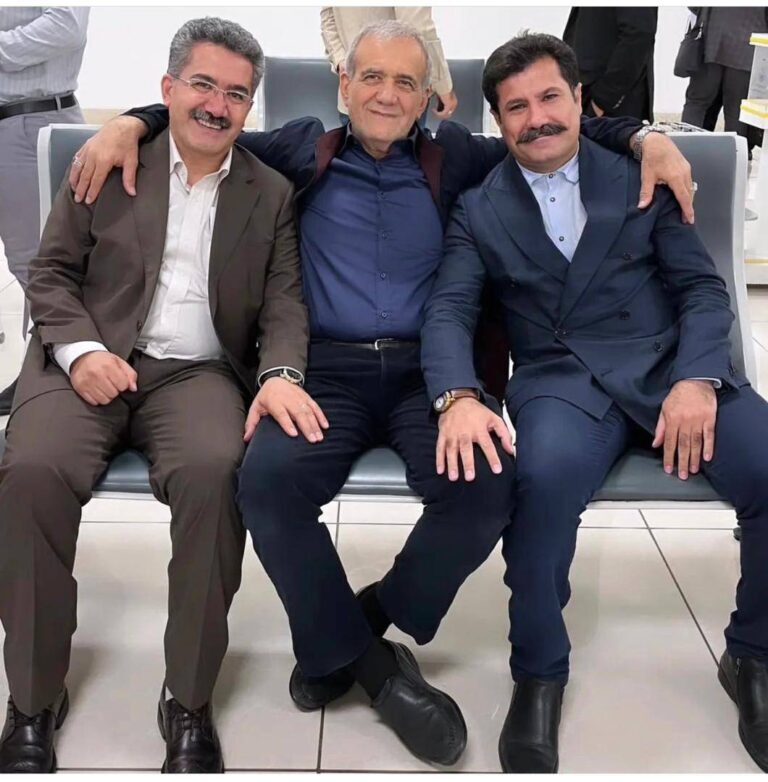
President Pezeshkian’s appointment of Hosseinzadeh is a strategic move aimed at addressing the developmental disparities between urban and rural areas in Iran. Pezeshkian emphasized that Hosseinzadeh’s valuable experience would be crucial in improving living conditions in disadvantaged regions. The President’s decree highlights a commitment to enhancing rural development indicators and supporting the country’s resilient economy.
In his new role, Hosseinzadeh will oversee initiatives designed to boost rural development and address the needs of underprivileged areas. This appointment is part of Pezeshkian’s broader vision of forming a “national unity” government that reflects Iran’s diverse ethnic and religious fabric. By appointing a Sunni figure to this senior position, Pezeshkian aims to address longstanding criticisms regarding the lack of minority representation in key government roles.
Political Shifts and Implications
The appointment comes at a time of notable political change in Iran, following the death of former President Ebrahim Raisi in a helicopter crash. Massoud Pezeshkian, who won the presidential election on July 5, has promised to create a cabinet that represents a broad spectrum of Iranian society. However, his initial cabinet nominations faced criticism for lacking diversity, particularly in terms of ethnic and religious representation.
Hosseinzadeh’s appointment is seen as a response to these criticisms, addressing the call for a more inclusive government. Sunni Muslims, who make up around 5-10% of Iran’s population, have rarely held significant government positions since the Islamic Revolution. Hosseinzadeh’s new role signifies a shift towards greater inclusivity and recognition of minority communities in Iran’s political sphere.