

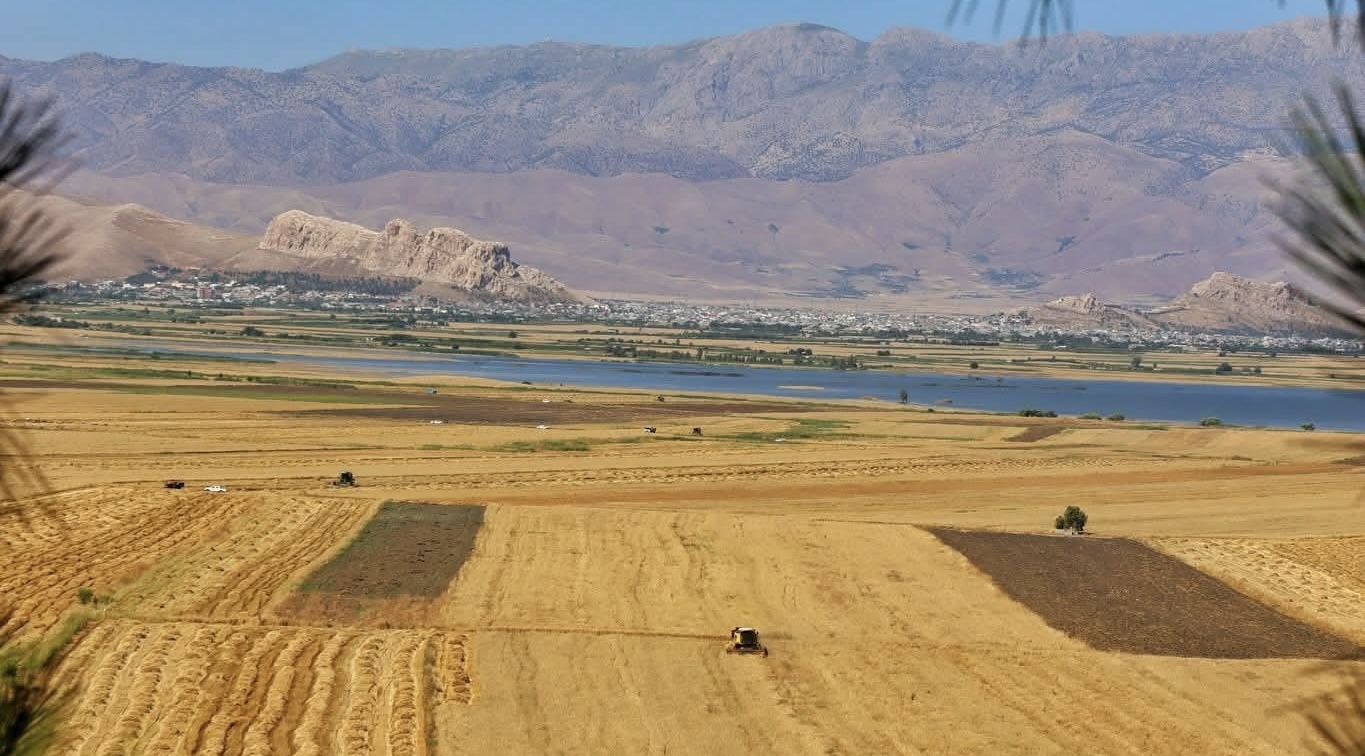
Nearly two million dunams of rain-fed farmland in Kurdistan Region have failed due to reduced rainfall, causing wheat production to plummet below one million tons annually while officials struggle to secure federal government support for surplus procurement.
The Kurdistan Regional Government has initiated wheat collection at regional silos while grappling with severe agricultural losses caused by insufficient rainfall this year. Officials warn that the drought has fundamentally altered the region’s agricultural landscape and threatens farmer livelihoods.
Nawzad Sheikh Kamil, Director General of Commerce at the KRG Ministry of Commerce and Industry, announced the commencement of wheat procurement during a press conference at Piramagrun silo. He emphasized that farmers must follow scheduled delivery timelines for each facility to maintain operational efficiency, though the process faces temporary postponement until June.
Sheikh Kamil called upon Baghdad’s federal government to accept surplus wheat from Kurdish farmers beyond the national procurement plan, requesting equal treatment with other Iraqi provinces. The appeal highlights ongoing tensions between regional and federal authorities regarding agricultural policy coordination.
Drought Devastates Regional Agriculture
Hiwa Ali, spokesperson for the Kurdistan Region’s agriculture ministry, revealed catastrophic crop failures across the territory. Of approximately three million dunams typically planted with winter crops annually, nearly two million depend entirely on rainfall. This year’s reduced precipitation directly impacted wheat and barley yields, forcing many farmers to abandon planting entirely.
“Those who did plant lost most of their production,” Ali explained, noting that roughly half of rain-dependent farmers chose not to cultivate crops this season. The region traditionally produces over one million tons of wheat yearly, but current projections indicate output will fall significantly below historical levels.
The agriculture ministry has formally requested that Baghdad purchase all wheat produced by Kurdish farmers, rather than limiting procurement to the planned 400,000-ton quota. However, Ali reported no encouraging response from federal authorities, suggesting potential regional discrimination in distribution processes.
Federal Response and Market Dynamics
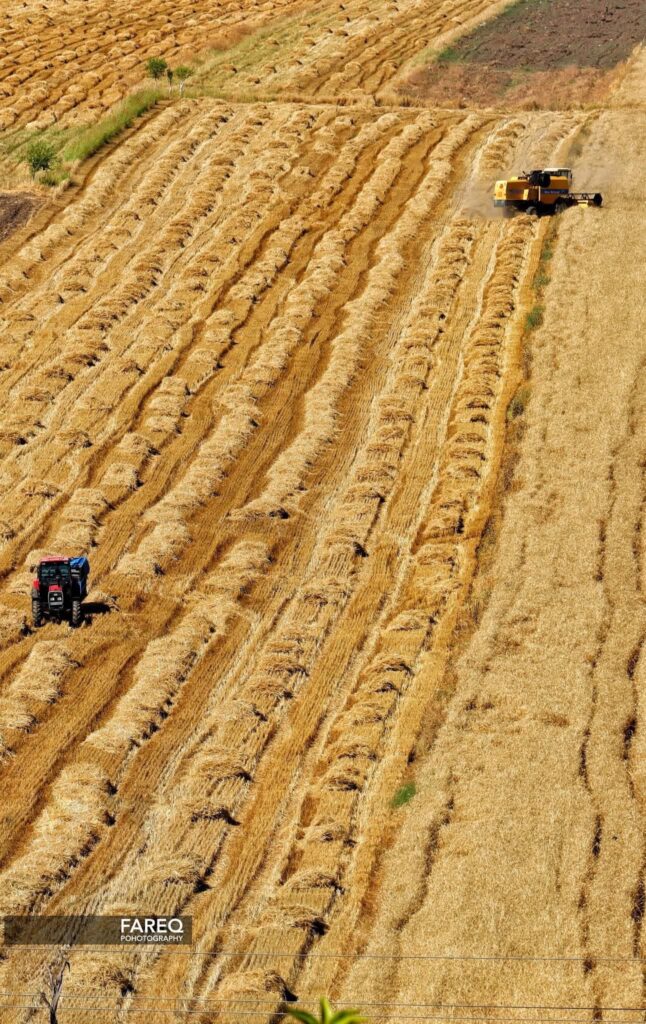
Haider Garawi, Director of the Iraqi Grain Trading Company, confirmed nationwide wheat collection reached approximately 3.6 million tons by June. He acknowledged decreased intake due to insufficient rainfall but maintained that procurement policies treat Kurdish and other Iraqi farmers equally.
A governmental committee established the 400,000-ton procurement target for the Kurdistan Region, though financial allocations remain lower than previous years. Garawi assured that available funds would be distributed fairly among all producers, despite budget constraints affecting agricultural support programs.
Iraq’s total wheat production estimates reach 4.5 million tons, with Baghdad already purchasing nearly 2.5 million tons from various regions. The federal government’s substantial procurement from other areas may limit willingness to increase the Kurdistan Region’s allocation, according to regional officials who cite adequate supplies from alternative sources.
The agricultural crisis underscores broader challenges facing the Kurdistan Region’s economy and its relationship with federal authorities in Baghdad regarding resource allocation and policy coordination.