
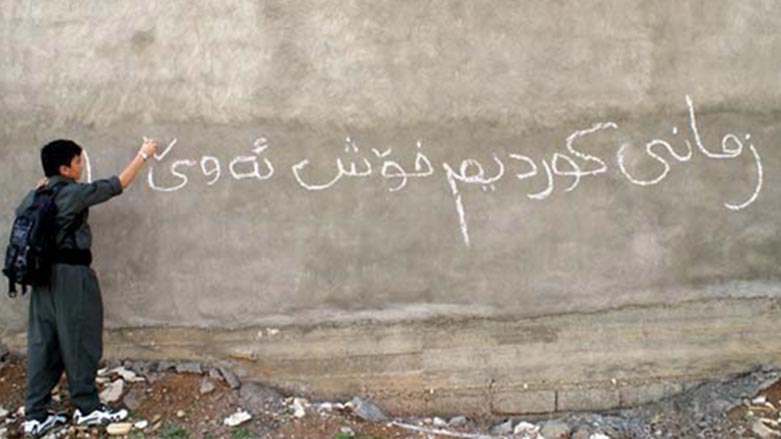
On International Mother Language Day, we gather to honor the Kurdish language—a symbol of pride, resilience, and cultural identity for an ancient nation. This day is not merely a celebration of words but a recognition of the enduring spirit of a people who have safeguarded their language through centuries of adversity. The Kurdish language is more than a means of communication; it is the heartbeat of a culture, a bridge between generations, and a testament to the strength of a people who refuse to be silenced.
Kurdish Language: A Living Legacy
Kurdish language is a living entity, carrying the soul of a nation. It is the language of poets and farmers, of mountains and rivers, of love and resistance. It has been whispered by mothers to their children, sung by shepherds in the fields, and chanted by activists in the streets. Each word carries the weight of history, shaped by the struggles and triumphs of the Kurdish people. It is a language that has survived oppression, assimilation attempts, and marginalization, yet it continues to thrive, evolve, and inspire.
In the Kurdistan Region of Iraq, significant progress has been made in promoting the Kurdish language. It is the medium of instruction in schools, the language of administration, and the voice of media. However, challenges persist, and addressing them is crucial to ensuring the language’s continued vitality.
Challenges and Opportunities
1. Standardization of the Kurdish Language: One of the most pressing challenges is the lack of a standardized Kurdish language. While the richness of its dialects is a source of cultural wealth, the absence of a unified standard hinders its development and limits its use in formal and academic settings. Establishing a standardized form of Kurdish is essential for its growth and integration into education, media, and official documents.
2. Linguistic Precision and Education: The prevalence of grammatical errors in Kurdish publications and media undermines the language’s credibility and precision. Investing in the training of editors, journalists, and writers in Kurdish grammar and style is critical. Additionally, developing comprehensive resources such as dictionaries and grammar guides can elevate the quality of written and spoken Kurdish.
3. Combating Linguistic Hegemony: The dominance of English and Arabic in public spaces, markets, and job opportunities marginalizes the Kurdish language. Store signs, advertisements, and product labels often prioritize these languages, sending a message that Kurdish is less valuable. Advocating for the inclusion of Kurdish in all public spaces—airports, businesses, and media—is essential to affirming its importance and visibility.
4. Elevating Kurdish in Academia: While Kurdish has made strides in education, its presence in academic journals indexed in prestigious databases like Scopus and Web of Science remains limited. Encouraging Kurdish academics to publish in these journals and improving their quality and reach can elevate the language’s status in the global academic community. Kurdish must be recognized as a language of knowledge and innovation.
5. Harnessing Technology: The digital age offers unprecedented opportunities for the Kurdish language. Developing Kurdish-language software, apps, and online content can ensure its relevance in the 21st century. Artificial intelligence and machine learning can further support the language through tools for translation, transcription, and language learning, making it accessible to a global audience.
A Collective Responsibility
The preservation and promotion of the Kurdish language is not the responsibility of individuals alone. Governments and institutions must play a pivotal role by implementing policies that support its use in education, media, and public life. This includes funding Kurdish-language schools, media outlets, and cultural initiatives, as well as recognizing Kurdish as an official language in regions where it is widely spoken.
The international community also has a role to play. By advocating for linguistic diversity and the rights of minority languages, international organizations can help create a more inclusive world. Supporting initiatives that preserve endangered languages like Kurdish and advocating for linguistic minorities in global forums are steps toward a more equitable future.
A Call to Action
As we celebrate International Mother Language Day, let us remember that the Kurdish language is not a relic of the past but a living, evolving force with the power to shape the future. It is a language that has survived against all odds, uniting and inspiring the Kurdish people. By investing in its preservation and promotion, we honor our heritage and equip future generations with the tools to thrive in a rapidly changing world.
In conclusion, the Kurdish language is a source of pride, identity, and resilience. It is a testament to the enduring spirit of the Kurdish people and their unwavering commitment to their culture. On this day, let us reaffirm our dedication to preserving and promoting the Kurdish language, ensuring that it remains a vibrant and vital part of our identity for generations to come.