
The Kurdistan Democratic Party and Patriotic Union of Kurdistan will convene their political bureaus tomorrow in a high-level meeting to address government formation, salary crisis resolution, and unified positions regarding federal negotiations.
High-Level Leadership Summit Scheduled
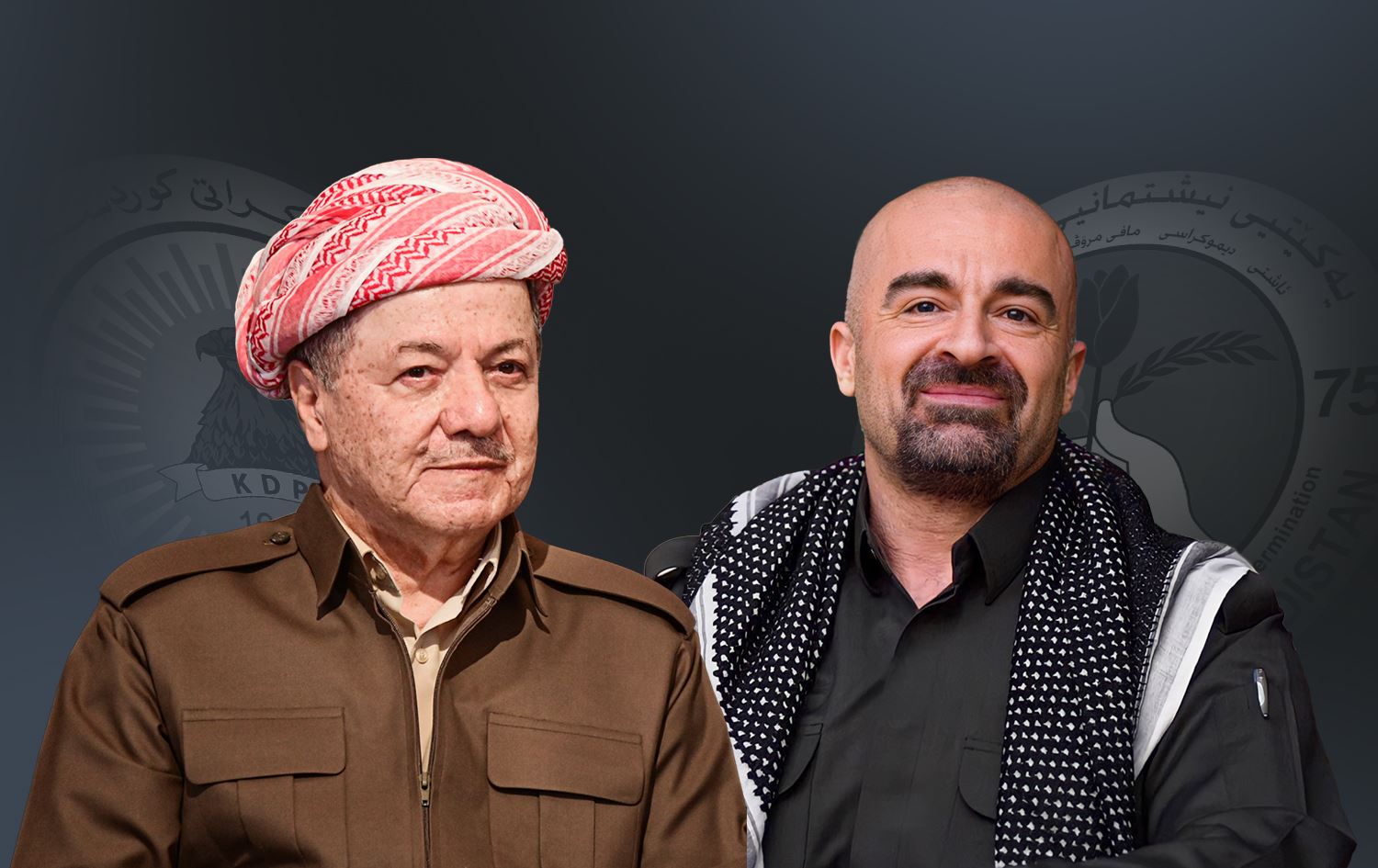
Tomorrow, Monday, July 14, 2025, the political bureaus of both the Kurdistan Democratic Party and the Patriotic Union of Kurdistan will convene in Pirmam under the direct leadership of Bafel Jalal Talabani and Masoud Barzani. This high-level summit represents a crucial moment in Kurdish political coordination, bringing together the two most influential leaders in the region to address pressing challenges facing Kurdistan.
The meeting will bring together senior leadership from both political organizations under the stewardship of Bafel Jalal Talabani, who leads the Patriotic Union of Kurdistan, and Masoud Barzani, the veteran Kurdish leader who heads the Kurdistan Democratic Party. Their personal involvement signals the critical importance of the issues on the agenda, including establishing unified positions toward Baghdad, advancing the formation of the tenth cabinet of the Kurdistan Regional Government, and addressing the ongoing salary crisis that has impacted regional employees for over two months.
According to available information, the Kurdistan Democratic Party delegation will include prominent figures such as Nechirvan Barzani, Masrour Barzani, Fazil Mirani, Sidad Barzani, Hoshyar Zebari, and Mahmoud Mohammed. The Patriotic Union of Kurdistan will be represented by Bafel Talabani, Qubad Talabani, Rafaat Abdullah, Darbaz Kosrat Rasul, and Nizar Amedi.
Government Formation and Political Coordination
The primary focus of tomorrow’s discussions will center on the formation of the tenth cabinet of the Kurdistan Regional Government, a process that has been ongoing since earlier this year. Both parties recognize the urgency of establishing a functional government to address the mounting challenges facing the region.
The meeting represents a continuation of previous negotiations between the two major Kurdish political parties. Their last high-level gathering occurred on May 21, 2025, at the Saad Abdullah Hall in Erbil, where negotiating delegations from both parties discussed the distribution of ministerial positions in the upcoming cabinet.
Today’s preparatory session of the Patriotic Union of Kurdistan’s political bureau, led by Bafel Jalal Talabani, focused specifically on tomorrow’s joint meeting with Masoud Barzani’s Kurdistan Democratic Party. This preparation indicates the significance both leaders place on achieving meaningful outcomes from their discussions. The coordination between Talabani and Barzani aims to bridge any remaining gaps in their positions and present a unified front in dealing with federal authorities.
The government formation process has been complicated by various political and economic factors, including disagreements over portfolio distribution and the broader context of federal-regional relations. Both parties appear committed to overcoming these obstacles through sustained dialogue and compromise.
Addressing Regional Challenges and Federal Relations
Beyond government formation, the meeting will address the critical salary crisis that has left regional employees without pay for 73 days. The parties will coordinate their approach to resolving this issue, which has become a major source of public concern and economic hardship throughout the Kurdistan Region.
The agenda also includes discussions on oil export resumption, a key economic issue that affects the region’s financial stability and its relationship with the federal government. The parties will seek to develop a unified strategy for negotiations with Baghdad on this crucial matter.
The meeting occurs at a time when Kurdish political unity is essential for effective engagement with federal authorities. Both parties recognize that presenting a coordinated position strengthens their bargaining power in negotiations over budget allocations, constitutional rights, and regional autonomy.
The outcome of tomorrow’s discussions could significantly impact the political landscape of the Kurdistan Region and its relationship with the federal government. Success in forming a unified government and resolving outstanding issues would demonstrate the maturity of Kurdish political institutions and their ability to serve regional interests effectively.