

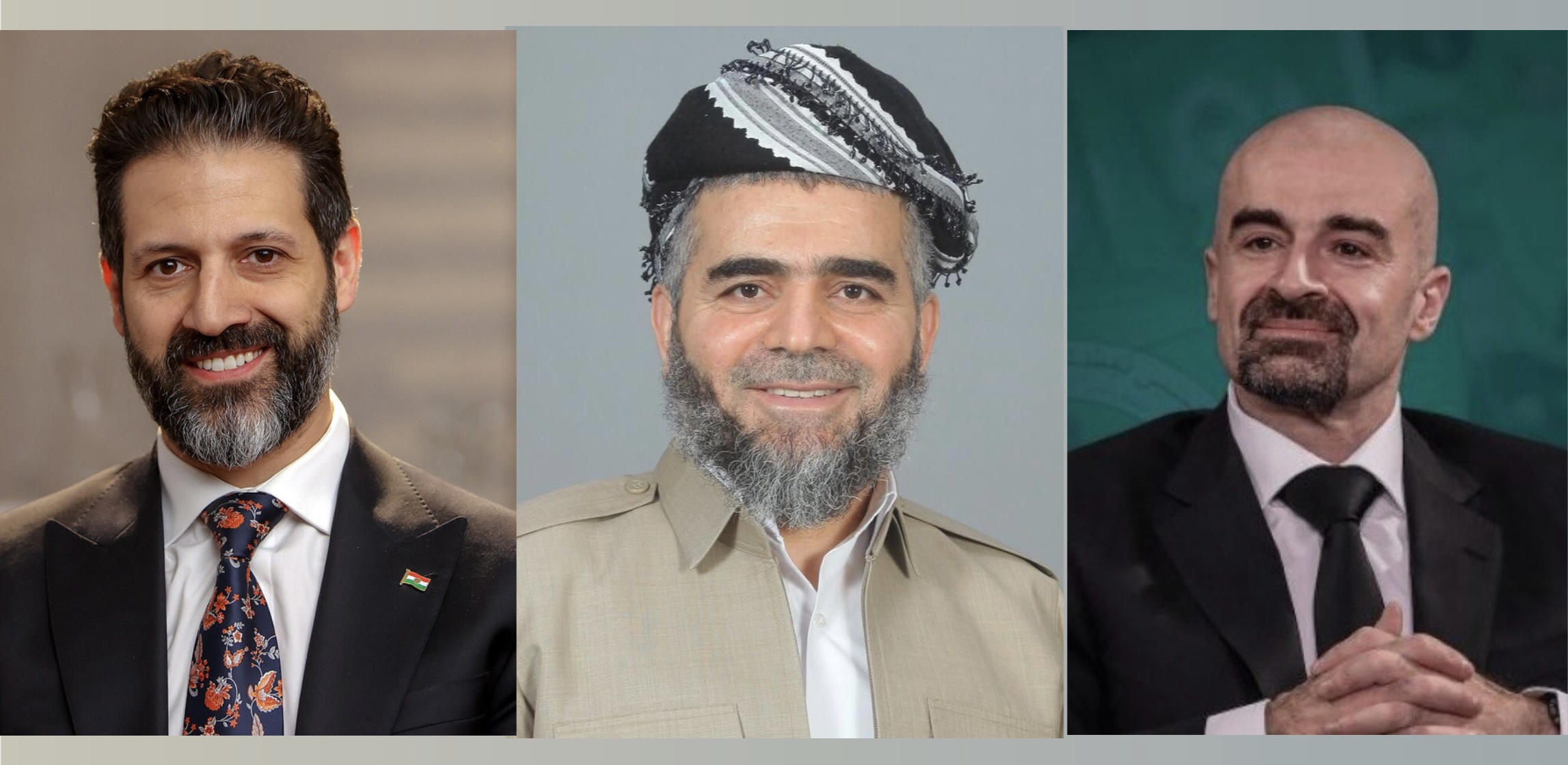
The Kurdistan Justice Group (Komal) successfully concluded its fifth congress in Erbil today, with 907 members participating in crucial leadership elections. Ali Bapir secured re-election as party president through majority vote, receiving congratulations from PUK President Bafel Jalal Talabani and Deputy PM Qubad Talabani, while the organization addressed significant structural changes including potential name reversion and enhanced female representation.
Leadership Elections and Party Direction
The fifth congress of the Kurdistan Justice Group witnessed substantial political engagement, with 87 candidates competing for 29 positions on the Leadership Council. The democratic process culminated in Ali Bapir’s re-election as party president, demonstrating continued confidence in his leadership among the membership base.
Founded by Ali Bapir in 2001, Komal has established itself as a significant political force in Kurdistan’s parliamentary landscape. The party currently maintains representation with one seat in the Iraqi Parliament and three seats in the Kurdistan Parliament, positioning it as an influential voice in regional politics.
The congress addressed several strategic decisions that will shape the party’s future trajectory. Most notably, discussions centered around reverting the organization’s name from “Kurdistan Justice Group” back to its original designation, “Kurdistan Islamic Group,” which was changed during the previous congress. This potential nomenclature shift reflects ongoing internal deliberations about the party’s ideological positioning and public identity.
Progressive Gender Representation Achievements
The fifth congress marked a significant milestone in the party’s commitment to gender inclusivity within its leadership structure. Female representation has experienced remarkable growth since the organization’s inaugural congress in 2005, when only one woman held a leadership position. The current congress elevated three women to leadership roles, representing a threefold increase that demonstrates the party’s evolving approach to gender equality in political participation.
This progressive development aligns with broader trends across Kurdistan’s political landscape, where women’s political engagement has gradually expanded. The increased female representation within Komal’s leadership council signals the party’s recognition of women’s crucial contributions to political discourse and governance in the region.
The advancement of women within the party hierarchy reflects both internal policy changes and broader societal shifts in Kurdistan regarding women’s roles in public life. This evolution positions Komal as responsive to contemporary demands for inclusive political representation while maintaining its foundational principles.
Notable Absences and Political Implications
Several prominent Komal figures were notably absent from the congress proceedings, raising questions about internal party dynamics and individual political circumstances. MP Soran Omer, who heads Komal’s parliamentary bloc in the Iraqi Parliament, did not attend the gathering, despite his significant role in the party’s legislative activities.
Similarly, MP Hero Attar and former MP Osman Kurdaiy were absent from the proceedings. Their non-participation drew attention given their historical involvement in party activities and their standing within the organization’s political network.
Perhaps most significantly, Ahmed Haji Rashid, a former Iraqi MP for Komal, was unable to attend the congress. His absence was directly attributed to legal complications, as he is currently wanted by local courts in Erbil, where the congress convened. This situation highlights the complex intersection between political participation and legal proceedings affecting party members.
The absence of these key figures raises questions about party cohesion and the various challenges facing individual members. However, the successful completion of the congress with 907 participating members demonstrates the organization’s continued operational capacity despite these complications.
Following the congress conclusion, prominent Kurdish political leaders extended congratulations to Ali Bapir on his re-election. Bafel Jalal Talabani, President of the Patriotic Union of Kurdistan, conveyed warm congratulations to Bapir and all party members, expressing hopes for continued success. His message emphasized Komal’s valuable role in Kurdistan’s political arena and stressed the importance of strengthening relationships and cooperation for national unity and Kurdish house reorganization.
Talabani’s message highlighted the sensitive phase currently facing the Kurdistan Region and the broader area, emphasizing that collaborative efforts among all political forces represent an unprecedented necessity for navigating current circumstances and better serving fellow citizens.
Similarly, Qubad Talabani, Deputy Prime Minister of the Kurdistan Region, congratulated Ali Bapir on his re-election. His message expressed hopes that the congress would yield new directives and decisions to advance the party’s political program, ultimately serving the interests of the Kurdish people and contributing to Kurdish internal unity and Kurdistan Region’s political process advancement.
These congratulatory messages from senior Kurdish political figures underscore the recognition of Komal’s role within the broader Kurdish political ecosystem and the importance placed on inter-party cooperation for regional stability and progress.
The successful completion of Komal’s fifth congress, despite various challenges and notable absences, demonstrates the party’s institutional resilience and commitment to democratic processes. With renewed leadership and enhanced female representation, the organization appears positioned to continue its parliamentary work while navigating the complex political landscape of contemporary Kurdistan.