

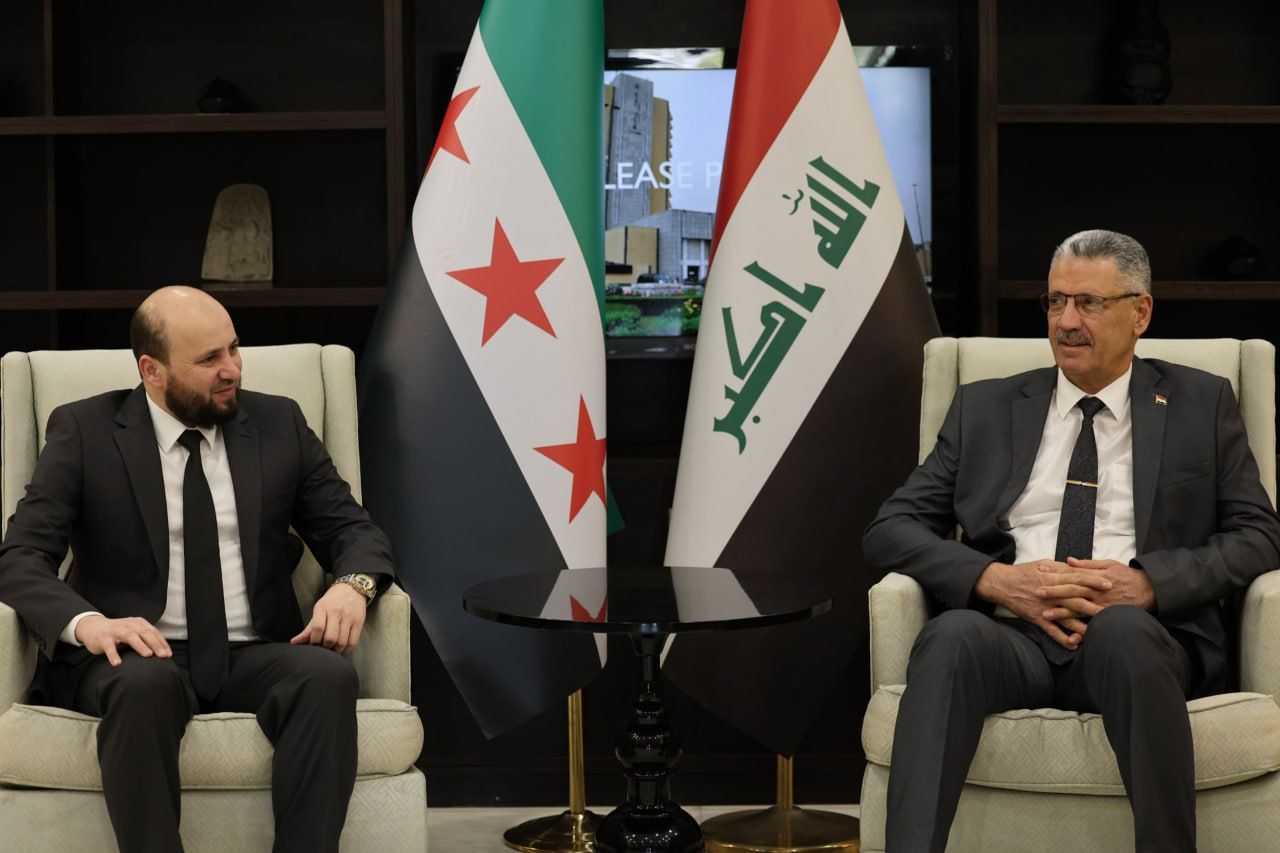
The Middle East is entering a new phase of energy transformation. The interplay between great-power rivalry, global pressures toward decarbonization, and the reconfiguration of transit routes has repositioned states such as Iraq and Syria at the center of emerging debates. Iraq, endowed with vast oil and gas reserves yet seeking diversification of its export corridors, and Syria, whose energy infrastructure has been devastated by more than a decade of conflict, appear at first glance to be natural partners. The crucial question, however, is whether such cooperation can move beyond rhetoric and become a tangible reality.
- Economic Imperatives for Cooperation
Iraq currently faces two structural challenges: a heavy dependence on oil revenues and a persistent electricity crisis. Despite producing over four million barrels of oil per day, the Iraqi economy remains vulnerable to fluctuations in global oil prices. Additionally, its insufficient refining capacity and reliance on Iranian gas imports to sustain domestic power generation expose Baghdad to external shocks and political pressures.
Syria, in contrast, has seen its energy sector collapse. Oil production has fallen to less than one-third of pre-war levels, large portions of its electricity grid have been destroyed, and fuel shortages have become chronic. In this context, Iraq has the potential to serve both as an energy supplier and as a partner in rebuilding Syria’s infrastructure, creating a mutually beneficial framework for cooperation.
- Potential Arenas of Collaboration
- Pipeline and Transit Routes: The prospect of channeling Iraqi oil through Syrian territory to the Mediterranean remains a long-standing idea that has regained salience in recent years. Such a project could provide Baghdad with an alternative to the politically sensitive Kirkuk–Ceyhan pipeline via Turkey, thereby reducing overdependence on Ankara and offering Iraq new access to European markets.
- Electricity and Gas Supply: In the short term, Iraq could export surplus electricity to Syria. Joint development of cross-border gas fields also holds potential to enhance energy security for both states.
- Reconstruction and Joint Investment: Syrian engineering and contracting companies, though weakened, retain valuable human capital that could support Iraq’s infrastructure projects. Conversely, Iraqi investment in Syrian oil fields—particularly in the country’s east—could lay the foundation for long-term bilateral engagement.
- Political Obstacles and Structural Constraints
Despite the economic logic, major impediments hinder energy cooperation:
- International Sanctions on Damascus: The most formidable obstacle is the network of U.S. and EU sanctions against the Syrian government. Any direct investment, transfer of technology, or financing in the Syrian energy sector risks triggering secondary sanctions against Iraq.
- Regional Competition: Turkey and several Gulf Arab states are reluctant to see Syria reemerge as a transit hub. For Turkey in particular, the potential erosion of its monopoly on Iraqi energy exports to Europe represents a strategic threat.
- Domestic Insecurity: Armed groups along border regions and the fragility of Syrian infrastructure pose significant risks to any pipeline or electricity project.
- Geopolitical Dimensions
New regional dynamics add further complexity:
- Iran views stronger Baghdad–Damascus energy ties as reinforcing its strategic corridor to the Mediterranean.
- Russia, with its military presence in Syria, seeks to play a decisive role in reconstruction and could become either a partner or a competitor to Iraqi firms.
- China, through its Belt and Road Initiative, may emerge as a potential financier for joint pipeline or power plant projects, providing resources where Western actors abstain.
- The United States maintains a military footprint in eastern Syria and controls parts of the country’s oil-rich areas. Washington’s opposition to any arrangement that strengthens the Baghdad–Damascus–Tehran axis remains a key constraint.
- Emerging Regional Political and Economic Context
Global energy markets are undergoing structural shifts under the dual pressures of decarbonization and renewable energy deployment. Iraq faces mounting international demands to diversify away from oil dependence and accelerate investment in gas and renewable projects. Syria, though still grappling with immediate reconstruction, cannot ignore this global trajectory either.
On the political front, the gradual reintegration of Syria into Arab diplomatic circles—evidenced by the rapprochement of states such as the UAE and Saudi Arabia—has opened limited but noteworthy space for future cooperation. If normalization proceeds, the easing of sanctions and mobilization of Arab financial support could create a more favorable environment for Iraq to participate in Syria’s energy reconstruction in a legitimate and less contested framework.
Conclusion
Energy cooperation between Iraq and Syria embodies both strategic necessity and persistent fragility. For Iraq, it represents an opportunity to diversify export routes, mitigate dependence on Turkey, and position itself as a bridge between the Gulf and the Mediterranean. For Syria, it offers the possibility of alleviating fuel shortages, rebuilding its devastated energy sector, and regaining a measure of regional relevance. Yet formidable barriers remain. Sanctions, rival regional interests, security vulnerabilities, and financial constraints continue to restrict progress. At present, the vision of robust bilateral cooperation remains more of a long-term aspiration than an imminent reality.
Nevertheless, the history of energy development in the Middle East illustrates that projects once deemed unattainable have often materialized under shifting geopolitical circumstances. Should the gradual normalization of Syria’s regional relations persist and external actors such as China and Russia provide financing and political cover, the Iraq–Syria energy partnership could transition from an elusive dream to a feasible path. The future of such cooperation will depend less on technical feasibility than on the two states’ ability to navigate external pressures, leverage regional openings, and adapt to the evolving global energy order.