

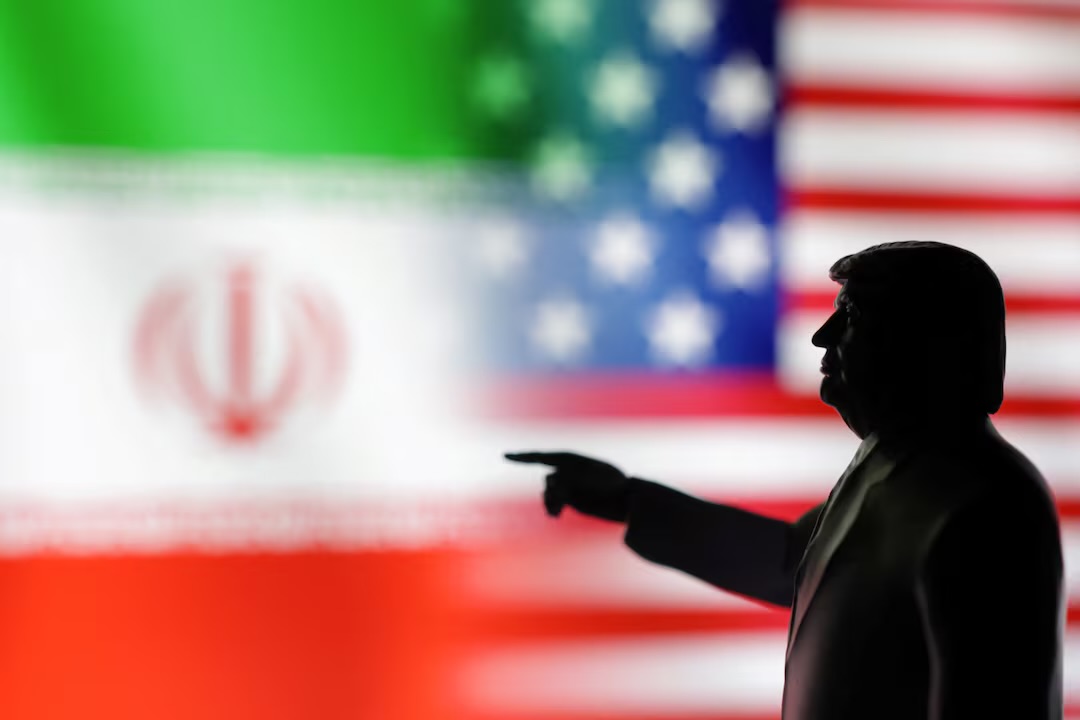
Given the sensitive geopolitical situation in the Middle East and changes in the domestic and international environment of the United States, the future of Iran-US relations can be analyzed through four probable scenarios. These scenarios are formed based on two main axes of uncertainty:
First, US government policy (focusing on Trump): aggressive or deterrent
Second, the behavior of the Islamic Republic of Iran: tension-inducing or tension-reducing
Scenario 1: Unavoidable Confrontation (Aggressive US Policy + Iranian Reactionism)
In this scenario, the United States, especially under Trump’s leadership, adopts an aggressive approach toward Iran. This policy could include limited and localized attacks on Iran-aligned forces in the region (such as Iraq, Lebanon, or Yemen). Iran also responds to these actions by adopting a confrontational approach. The responses may include limited missile attacks, threats to close the Strait of Hormuz, increased proxy activities in the region, or even cyber attacks against US and allied interests.
Consequences and Probable Trends:
– There is a possibility of intermittent and cyclical military confrontations that, while not leading to full-scale conventional war, create a state of semi-warfare.
– Significant increase in oil and energy prices in global markets due to uncertainty in the Persian Gulf region.
– Severe pressure on third-party actors (such as the European Union, China, Russia, and even Persian Gulf states) to mediate or control the crisis.
Probability Assessment: Medium to high, especially if the pattern of US attacks continues and there are no active diplomatic channels. Miscalculation or unexpected incidents could rapidly activate this scenario.
Scenario 2: Show of Force Without War (Aggressive US Policy + Iranian De-escalation)
In this case, Trump continues to exercise military or economic power within the framework of maximum pressure policy (for example, with new sanctions or symbolic attacks). However, Iran, when facing these actions, follows a de-escalation strategy and prefers to avoid direct confrontation.
Consequences of This Scenario:
– Iran limits its responses to diplomatic reactions or controlled actions (such as complaints to the UN or non-escalatory symbolic actions).
– The atmosphere reaches a kind of “high-tension equilibrium” where both sides take actions to maintain their domestic and international prestige while avoiding crossing red lines.
This situation may pave the way for a conditional return to the negotiating table, although Iran may enter talks from a weaker position.
Probability Assessment: This is the most likely scenario in the short term, especially if Iran continues to avoid direct confrontational approaches and Trump wants to demonstrate power without heavy domestic costs.
Scenario 3: Middle Eastern Cold War (Deterrent US Policy + Iranian Reactionism)
In this scenario, the US government, after a period of pressure and military actions, decides to exercise restraint due to domestic reasons (such as Congressional opposition or public opinion) or geopolitical considerations. However, Iran, due to distrust of American intentions, adopts a reactive approach.
Consequences of This Scenario:
– Increased Iranian regional activities, such as broader support for proxy groups or expansion of the nuclear program.
– Increased cyber attacks, targeted sabotage, or proxy warfare on the territory of third countries (Iraq, Lebanon, Yemen).
– Strengthening geopolitical divisions in the Middle East and accelerating the formation of coalition axes (such as rebuilding and strengthening the resistance axis against the Arab-Israeli axis).
Probability Assessment: Less likely in the short term, but more dangerous in the long term and prone to attrition tensions.
Scenario 4: Strategic Détente (Deterrent US Policy + Iranian De-escalation)
In the most desirable scenario, both sides are willing to reduce tensions and begin negotiations for domestic and foreign reasons. The role of mediators such as the European Union, China, or even some regional governments (such as Oman or Qatar) becomes prominent.
Consequences of This Scenario:
– Return to the negotiating table over nuclear, regional, and security issues.
– A temporary, fragile, and tactical agreement may be reached that, despite its weaknesses, prevents crisis escalation.
– Reduction of some sanctions in exchange for symbolic Iranian actions (such as stopping enrichment above 60% or controlling proxy activities).
**Probability Assessment:** Low, but regionally and internationally the best option for crisis control and rebuilding diplomatic bridges.
Considering the behavioral pattern of the Trump administration, the domestic political structure of the United States (Congress aligned with Trump), and the limitations of Iran’s foreign policy, the second scenario (show of force without war) is the most likely option in the short term.
However, this equilibrium is unstable. Any miscalculation, unexpected incident (such as targeting a drone or attacking a tanker), or provocative action by a third party could push conditions toward the first scenario (direct military confrontation).
In such circumstances, adopting a multilayered, flexible, and measured foreign policy for Iran is considered a strategic necessity—a policy that, while maintaining national credibility and effective deterrence, avoids entering costly cycles of direct confrontation. This goal requires simultaneous utilization of three key levels in the country’s foreign strategy:
First, Active Multilateral Diplomacy
In conditions where the international system structure faces divergence among major powers (such as the US-China divide and European distrust of Washington’s unilateral policies), Iran can benefit from the gaps in the global order to create balance by establishing and strengthening communication channels with diverse actors, including the European Union, East Asian countries, and international institutions. This approach, instead of direct confrontation with the United States, attempts to create a deterrent role by increasing international costs for America in case of tension escalation.
Second, Managing Action in Proxy Areas
Given the complexity of regional theaters (Yemen, Lebanon, etc.), Iran must avoid entering uncontrollable confrontations and instead move toward intelligent adjustment of the intensity and location of proxy actions. The goal at this level is not surrender, but intelligent management of threats and opportunities, in a way that preserves Iran’s regional presence while preventing it from becoming a pretext for extensive military actions against it.
Third, Media Diplomacy and International Perception Control
In the era of cognitive warfare and perceptual battles, redefining narratives and managing the country’s international image is a vital component of deterrence. Iran must strive, through targeted message guidance, calculated engagement with international media, and activation of public diplomacy, to present itself as a rational actor, a victim of America’s adventurous policies, and a supporter of regional stability. This approach can lay the groundwork for reducing global consensus against Iran and increasing the costs of legitimizing tension-inducing actions by the United States.
Overall, Iran needs a proactive, adaptive strategy based on deep understanding of power dynamics at regional and global levels to navigate this high-risk phase—a strategy where intelligent deterrence replaces explicit confrontation and conditional engagement replaces passivity or isolation.