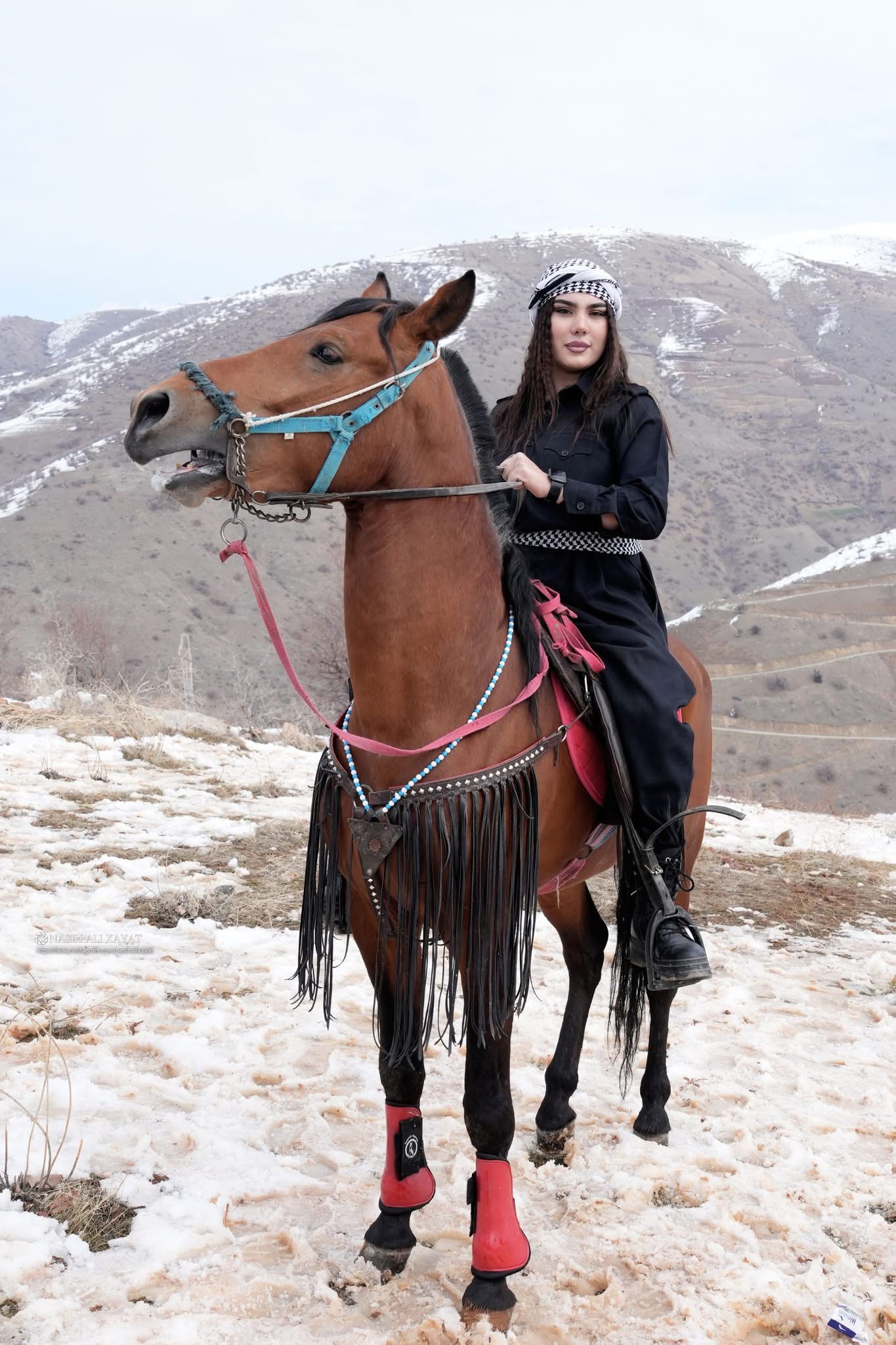

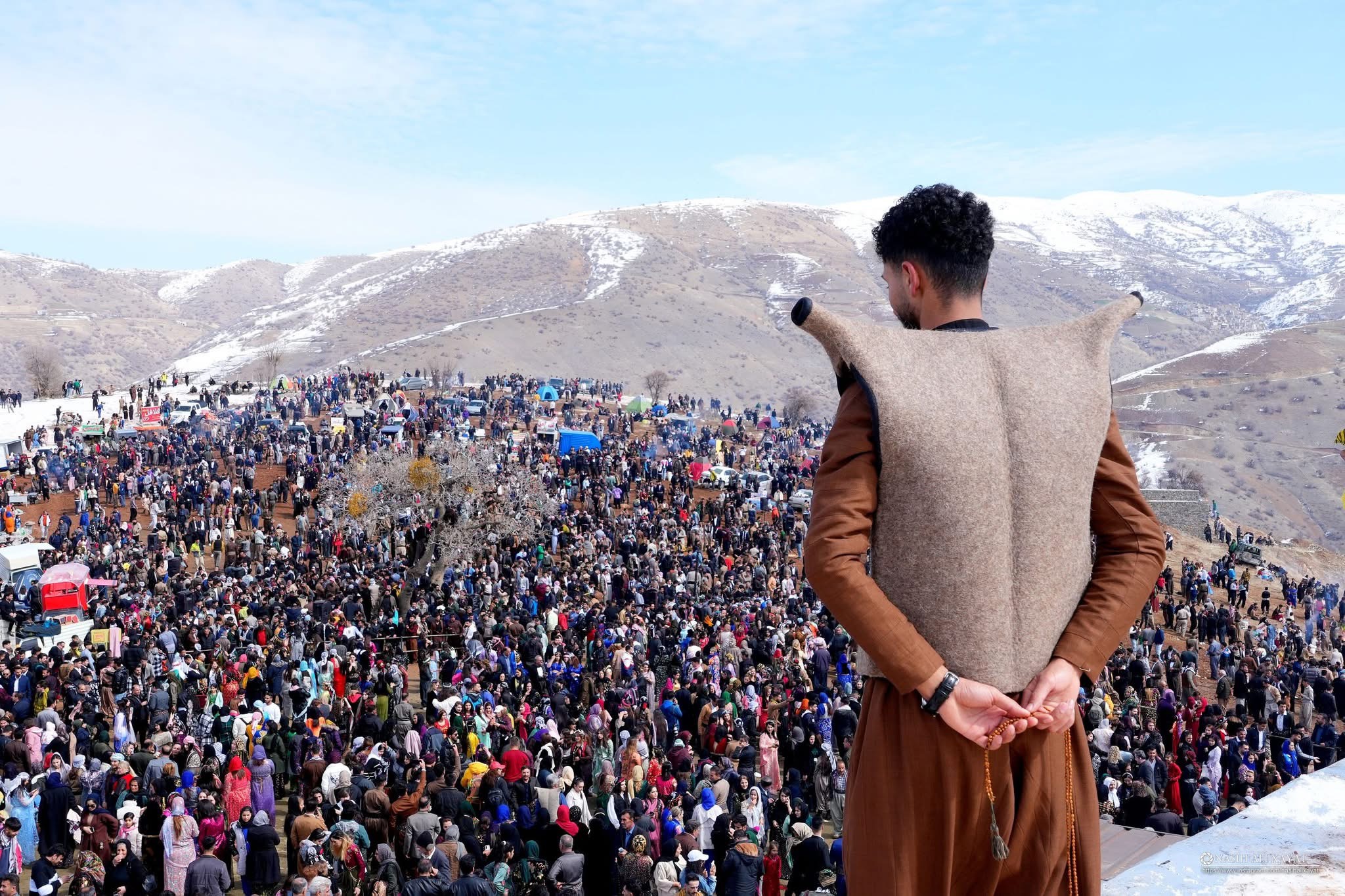
Newrouz, marking the arrival of spring and the Persian New Year, holds profound significance across various cultures, especially among Kurds. In the Hawraman region of Iran’s Kurdistan Province, the village of Cheshmider stands out for its unique and early celebration of Nowruz, traditionally held on March 5th. This date precedes the conventional Nowruz festivities observed around March 20th or 21st. The early celebration is deeply rooted in the region’s cultural and historical context.
Historical Context and Significance
The Hawraman region, encompassing parts of Iranian and Iraqi Kurdistan, is renowned for its rich cultural heritage and distinct dialect, Hawrami. Historically, the people of Cheshmider and neighboring villages like Tefin, Palangan, and Diwehzehnav have celebrated Newrouz On March 2nd. This tradition is believed to have roots in Zoroastrianism, the ancient pre-Islamic religion of the region. The choice of this date aligns with the local agricultural calendar, marking the onset of spring and the beginning of the farming year.
The village of Cheshmider itself boasts a history spanning over 500 years. In the past, the March 5th Nowruz was celebrated in 27 villages across the Javahroud axis. However, in contemporary times, it is predominantly observed in the four aforementioned villages. Residents from other areas often join these villages to partake in the festivities, underscoring the event’s regional importance.
Traditional Celebrations in Cheshmider
The Nowruz celebrations in Cheshmider are characterized by a series of traditional activities that reflect the region’s cultural identity:
• Poetry Reading and Music: The festivities commence with the recitation of classical Kurdish poetry, accompanied by traditional music. This combination sets a poetic and melodic tone for the celebrations.
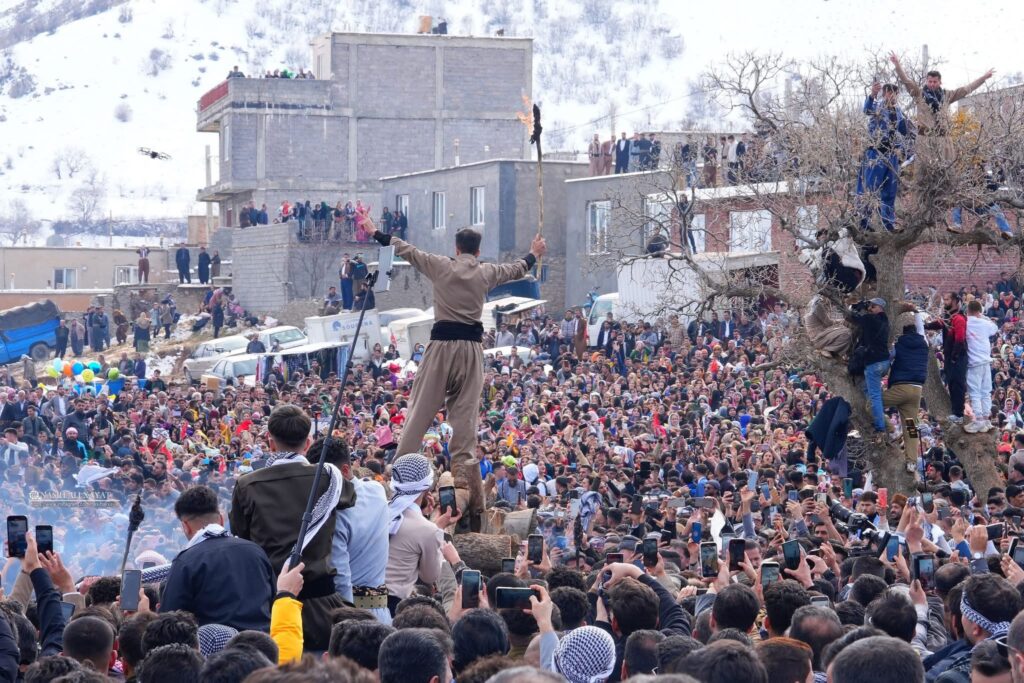
• Halparke Dance: Both men and women participate in the Halparke, a traditional Kurdish dance symbolizing unity and joy. The dance is a staple of Nowruz festivities in the region.
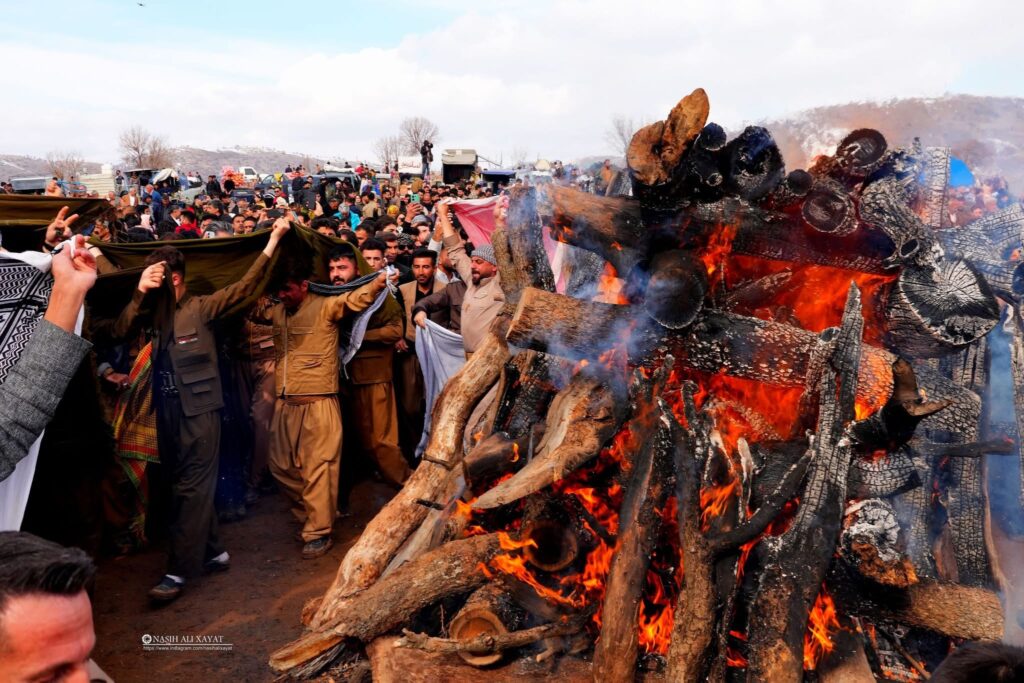
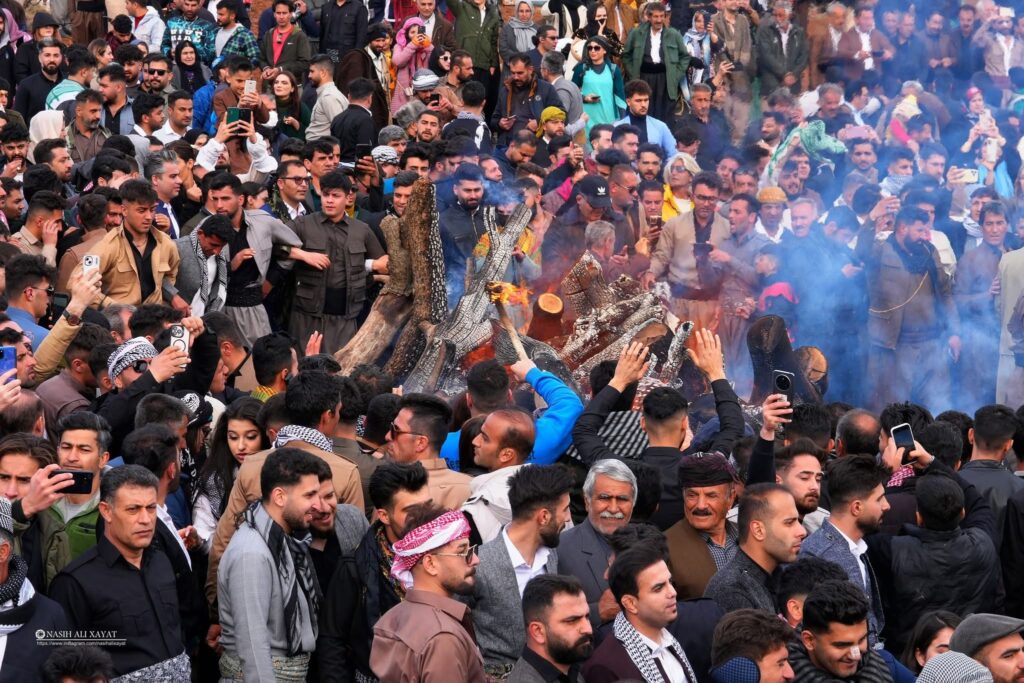
• Lighting of the Nowruz Fire: Central to the celebrations is the ignition of a ceremonial fire. This act symbolizes the triumph of light over darkness and is reminiscent of ancient Zoroastrian rituals.
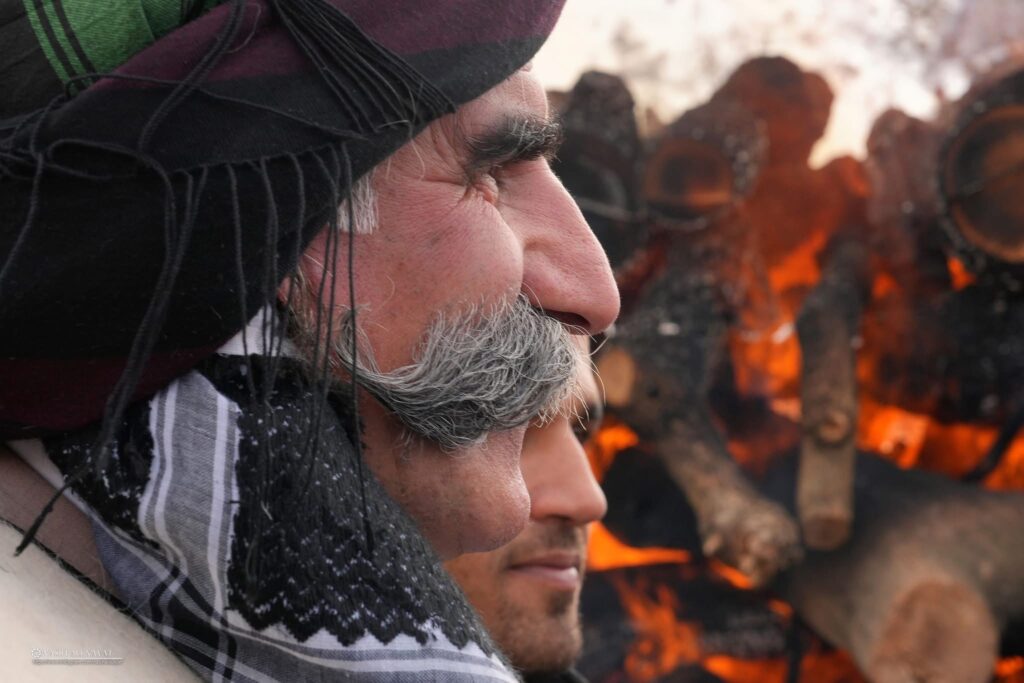
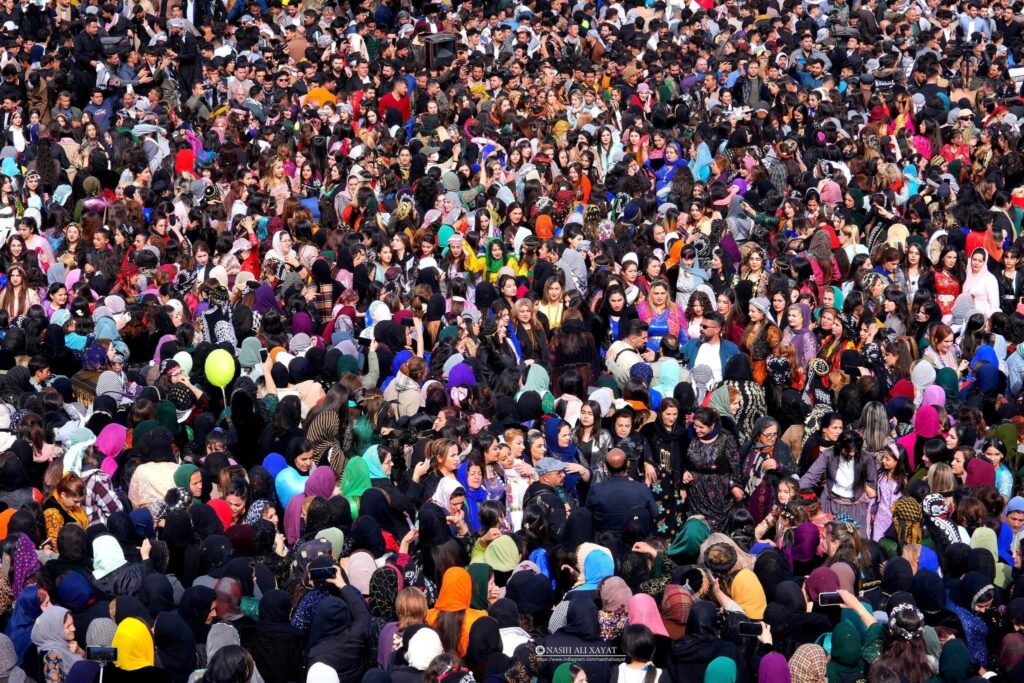
These events are not confined to the villagers alone. Travelers from across Kurdistan and other provinces flock to Cheshmider to experience the unique Nowruz celebrations. The festivities also attract media attention, with reporters and photographers documenting the vibrant cultural expressions.
Community Involvement and Preparation
- The success and continuity of the Nowruz celebrations in Cheshmider are largely attributed to the active involvement of its residents:
• Collective Effort: Weeks before the event, villagers collaborate to organize the festivities. This collective effort ensures that traditional practices are upheld and that the celebrations run smoothly.
• Funding: The financial aspects of the festival are primarily covered by the villagers themselves. Contributions are made based on individual capacities, with those able to give more doing so generously.
This communal approach not only preserves the authenticity of the celebrations but also strengthens social bonds within the community.
Cultural Resilience and Identity
Celebrating Nowruz on March 5th serves as a testament to the cultural resilience of the Hawrami-speaking people. By maintaining this distinct tradition, they assert their historical identity and differentiate their customs from broader Nowruz practices. While they acknowledge the significance of the mainstream Nowruz on March 20th or 21st, the March 5th celebration holds a unique place in their cultural heritage.
Recent Developments and UNESCO Recognition
The Hawraman region’s cultural landscape, encompassing villages like Cheshmider, received international recognition when it was inscribed on the UNESCO World Heritage List in 2021. This acknowledgment highlights the area’s unique architecture, agricultural practices, and intangible cultural heritage, including its distinctive Nowruz celebrations.
The Nowruz celebrations in Cheshmider village are more than just a festivity marking the arrival of spring. They embody the rich cultural tapestry, historical depth, and enduring spirit of the Hawraman region. Through these celebrations, the villagers of Cheshmider not only honor their ancestors but also ensure the transmission of their unique heritage to future generations.