

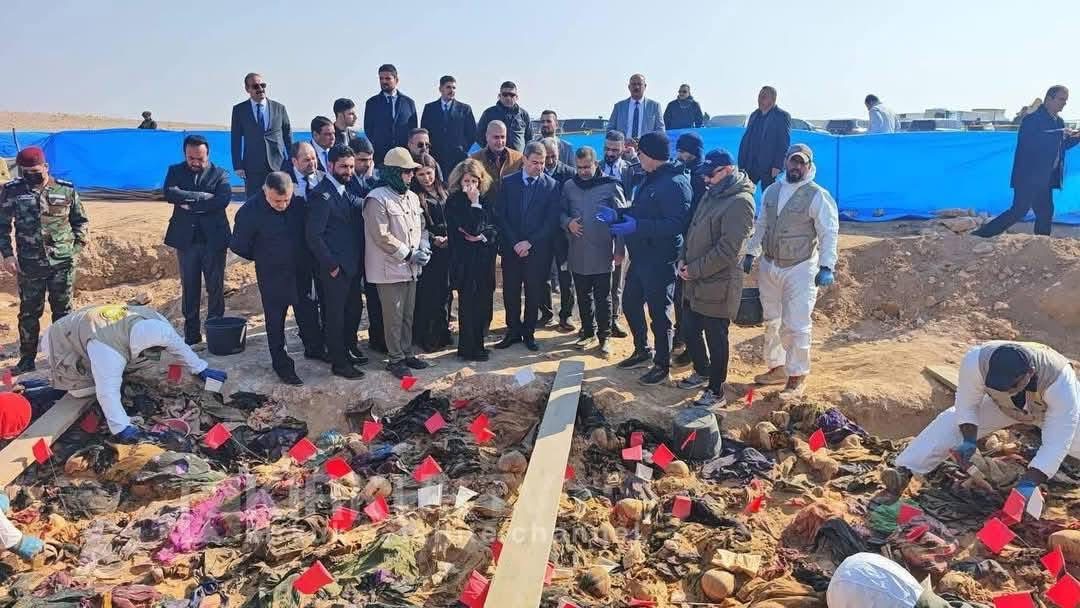
A newly discovered mass grave in Iraq’s Samwah desert has unveiled a chilling reminder of the Anfal genocide against Kurds. Unearthed after a week of effort, the grave contains the remains of 150 individuals from the Garmian region, including pregnant women. This discovery, announced by Iraqi First Lady Shanaz Ibrahim Ahmed, underscores the enduring scars of the Ba’ath regime’s atrocities and the need for justice and international accountability for these crimes.
Mass Grave Found in Samwah Desert
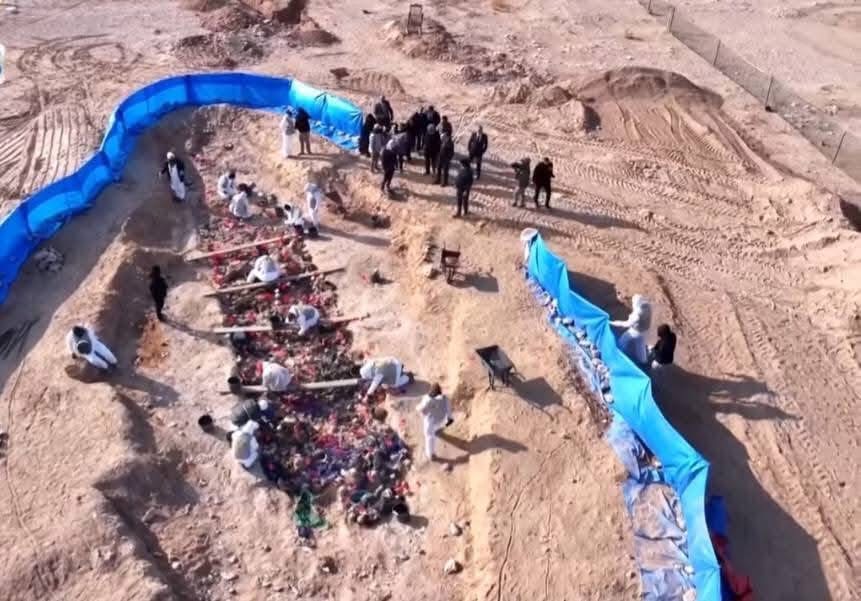
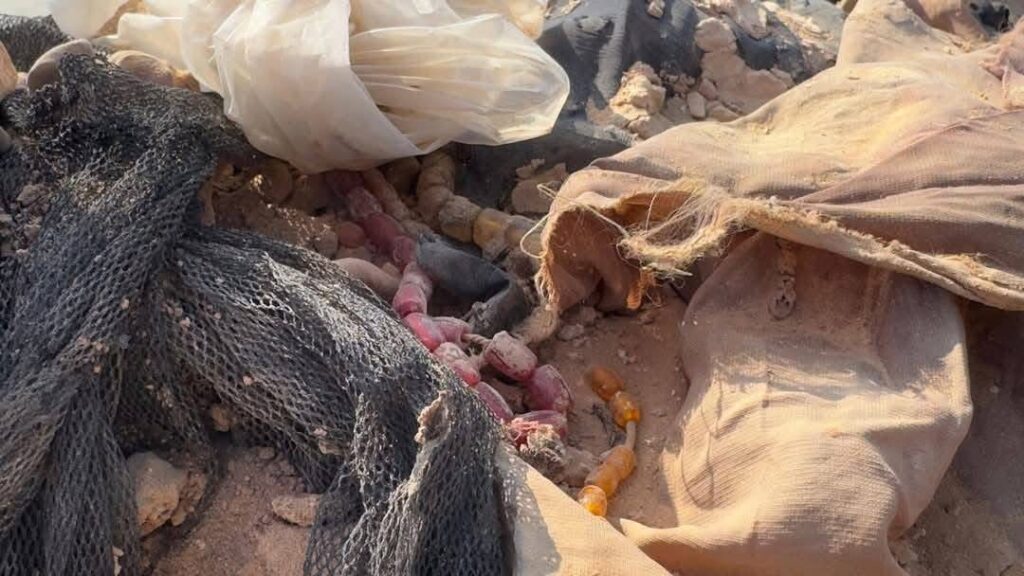
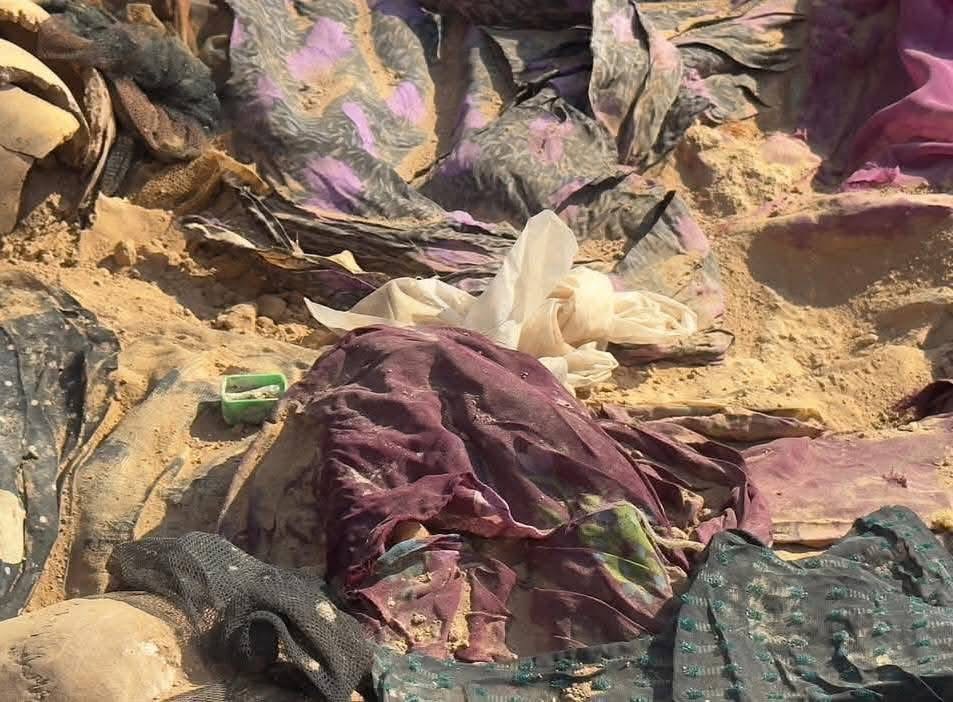
On Sunday, December 22, 2024, a mass grave was discovered in the Tel Sheikhiyah region of the Samwah desert. Iraqi First Lady Shanaz Ibrahim Ahmed announced the discovery, which followed a week of extensive efforts by a professional team. Photos from the site show victims buried in colorful Kurdish traditional attire, providing compelling evidence that they were Kurds.
Karwan Yarwais, an Iraqi parliamentarian, reported that the grave contains the remains of 150 individuals from the Garmian region, including three pregnant women. According to Yarwais, the victims were blindfolded, shot, and buried en masse. Traces of Kalashnikov bullets were found among the remains.
Link to Anfal Genocide Confirmed
This grave is one of three mass graves discovered by American forces during their search for missing Kuwaitis after the Gulf War. Yarwais stated that one grave had already been unearthed, while the third remains to be uncovered. The Anfal genocide, launched by Saddam Hussein’s Ba’ath regime in 1988, targeted Kurdish civilians, killing over 182,000 people, including women, children, and the elderly.
The Anfal campaign involved Iraq’s military forces, including the First Corps in Kirkuk, the Fifth Corps in Erbil, the Air Force, and the Republican Guard, among others. Chemical and biological weapons were also deployed in the operations.
Efforts to Identify and Honor Victims
Iraqi First Lady Shanaz Ibrahim Ahmed visited the site and expressed her commitment to ensuring justice for the victims. She stated on X: “Today in Tel Al-Sheikhiya, I stood on sacred ground where a newly discovered mass grave tells the story of unimaginable loss. I honor the victims of the Anfal genocide and pledge to exert every effort to bring closure for their families.”
At the first lady’s request, a professional team visited the Kurdistan Region earlier this month to collect data and blood samples from relatives of Anfal victims. The remains from this latest discovery will undergo forensic examination in Baghdad to facilitate identification. Once identified, the victims will be honored with a proper burial ceremony in Chamchamal, Garmian region.
Call for Compensation and International Action
The Bureau of Martyrs and Veterans of the Patriotic Union of Kurdistan (PUK) has called on the Iraqi government to compensate the families of Anfal martyrs. They also urge the international community to take stronger measures to prevent future genocides against the Kurds.
In a statement, the Martyrs Bureau emphasized the humanitarian and political significance of addressing the crimes committed during the Anfal campaign. They highlighted the horrors faced by thousands of women, children, and men who were forcibly displaced to southern Iraq’s deserts, where many were buried alive.
“This crime constitutes an international crime, and the Iraqi government is obligated to compensate the victims’ relatives. The international community has a responsibility to prevent greater genocide against the Kurds,” the bureau stated.
Mass Graves: A Grim Legacy
Since the fall of Saddam Hussein’s regime, 270 mass graves have been uncovered in Iraq, with many more yet to be found. Most graves are concentrated in the provinces of Diwaniyah, Samawah, and Najaf. The latest discovery serves as a somber reminder of the atrocities committed during the Ba’ath regime and the ongoing need for justice and reconciliation.
Efforts to uncover and identify victims continue, driven by individuals and institutions dedicated to preserving the memory of those lost. However, these discoveries also highlight the enduring scars left by the Anfal genocide and the urgent need for accountability and support for survivors and their families.