

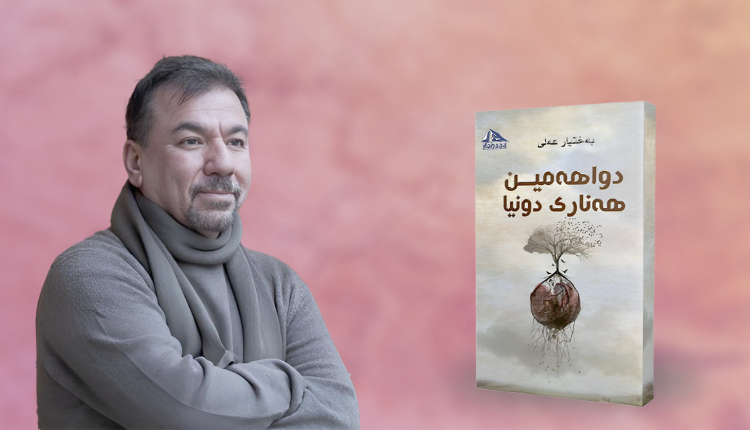
Bakhtiyar Ali’s acclaimed novel, The Last Pomegranate, has been named one of the 100 best books of the 21st century by Switzerland’s prestigious Neue Zürcher Zeitung (NZZ), ranking 80th. This recognition marks a milestone for Kurdish literature on the global stage. Ali’s work, translated into seven languages, stands alongside masterpieces like Austerlitz by W.G. Sebald. Ali’s literary contributions continue to highlight the rich, often overlooked cultural tapestry of Kurdish heritage.
Prestigious Recognition for Kurdish Literature
The Neue Zürcher Zeitung (NZZ) unveiled its list of the 100 greatest books of the 21st century, compiled by an esteemed panel of literary experts. Among them is Bakhtiyar Ali’s The Last Pomegranate, ranking 80th. This marks a historic moment as the only Kurdish work to be included. Ali’s novel, translated into seven languages, explores themes of exile, identity, and the Kurdish experience, reinforcing the growing global recognition of Kurdish literary contributions.
In a social media statement, Ali expressed pride:
“It is a great honor for us that The Last Pomegranate is listed among the top 100 books of the 21st century, chosen from thousands of works by tens of thousands of writers worldwide.”
The Novel’s Significance and Global Context
The Last Pomegranate tells the poignant story of a former Peshmerga fighter searching for his lost son, delving into themes of loss, exile, and resilience. It stands alongside literary giants, with W.G. Sebald’s Austerlitz claiming the top spot, followed by Jonathan Franzen’s Freedom and Svetlana Alexievich’s Second-Hand Time. This placement underscores the novel’s significance in world literature, bringing Kurdish voices to a broader audience.
Bakhtiyar Ali’s works have garnered critical acclaim for their depth and exploration of Kurdish suffering and identity. His inclusion on NZZ’s prestigious list not only celebrates his achievements but also shines a light on the rich, often overlooked cultural tapestry of Kurdish heritage.
Awards and Impact Beyond Literature
Ali’s contributions extend beyond this latest recognition. He previously received the prestigious Nelly-Sachs-Preis in Dortmund, Germany, becoming the first recipient writing in a non-European language. This €15,000 award, presented biennially, honors literature fostering cross-cultural understanding. Named after Nobel laureate Nelly Sachs, the prize has a legacy of recognizing future literary icons.
During his acceptance speech, Ali emphasized the importance of supporting literature from the East and preserving endangered languages. He highlighted the struggle for Kurdish linguistic rights, especially in Turkey and Iran, where Kurdish education remains restricted. Dortmund Mayor Birgit Jörder acknowledged the award’s significance, noting its history of identifying future Nobel laureates.
Ali’s novels, including The City of White Musicians, which tells the story of an Anfal genocide survivor, are praised for their intricate narratives and emotional depth. Critics like Stefan Weidner have described Ali’s work as a long-overdue addition to German literature, reinforcing the universality of his themes.
Bakhtiyar Ali’s recognition in NZZ’s list symbolizes more than literary success; it represents the resilience and richness of Kurdish culture on the global stage, elevating voices that continue to shape the 21st-century literary landscape.