

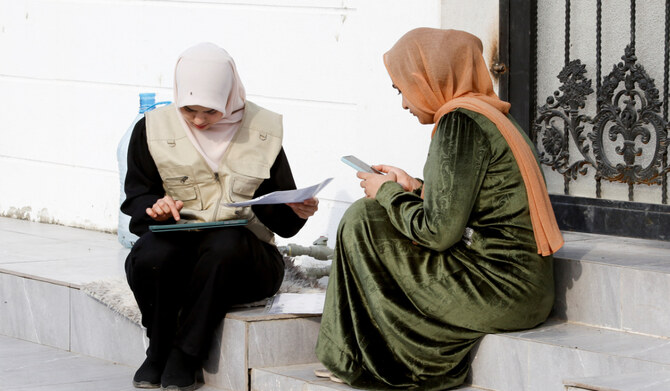
Iraq’s 2024 general population census, conducted on November 20-21, is facing mounting criticism, particularly from Kurdish leaders. Despite claims of administrative success, technical and territorial challenges have raised concerns. Kurdish authorities are urging a review based on the 1957 census, citing discrepancies in border areas and disputed territories like Kirkuk, Sinjar, and Khanaqin, emphasizing the need for a more thorough and transparent process to ensure accurate data representation.
Administrative Success and Technical Challenges
The 2024 census in Iraq has garnered significant attention, as it is the first in nearly three decades. While the Minister of Planning in the Kurdistan Regional Government (KRG), Dr. Dara Rashid, reported a high completion rate of 99.98% across the Kurdistan Region, concerns about technical difficulties and territorial disputes have overshadowed the process. Despite achieving almost total family registration in Sulaymaniyah, Erbil, and Duhok, the census has faced complications in certain areas, particularly in Kirkuk and border regions.
Fahmi Burhan, the Head of the General Board for Kurdistani Areas Outside the Region, acknowledged the administrative success of the census process but highlighted significant issues that need addressing. These included technical malfunctions with data-collection tablets and the incomplete coverage in areas disputed between the Kurdistan Regional Government (KRG) and the Iraqi federal government. Burhan also pointed to reported violations in some southern neighborhoods of Kirkuk, raising alarms about the accuracy and fairness of the process.
Kurdish Leadership’s Call for Review Based on 1957 Census
Kurdish leaders have voiced strong concerns regarding the results of the census, particularly in areas outside the Kurdistan Region that remain contested, such as Kirkuk, Khanaqin, and parts of Nineveh and Diyala. The tensions in these regions stem from Iraq’s history of Arabization policies under Saddam Hussein, which altered their demographic makeup and continue to fuel disputes over ethnic and political control.
Burhan emphasized that these contested areas require special attention to ensure the population is accurately represented. He argued that the 1957 census data should serve as a reference point for verifying the current census results, especially in areas where significant demographic changes have occurred over the decades. An agreement between the KRG and Baghdad established the 1957 census as a basis for determining the status of these regions, which stretch from Khanaqin to Sinjar. Burhan stressed that any errors in the current census data, particularly regarding population numbers and the placement of families, must be corrected before the final results are published.
Dr. Dara Rashid also expressed the importance of accurate data, noting that the information gathered in this census will be vital for the future planning of public services and development projects in both Iraq and the Kurdistan Region. However, both Burhan and Rashid have called for the formation of a joint committee involving both the KRG and the Iraqi government to conduct a thorough review, ensuring that the results reflect the actual population distribution in disputed regions.
Controversy in Disputed Areas and the Significance of Article 140
The ongoing controversy surrounding the census process highlights the sensitive nature of demographic data in disputed areas, particularly those covered by Article 140 of the Iraqi constitution. This article addresses the status of regions that were subject to Saddam Hussein’s Arabization policies, including areas like Kirkuk, Khanaqin, and Sinjar.
Many of the citizens in these regions, who were displaced or subjected to forced migration during the Saddam era, have returned to their homes in recent years. Their participation in the census has been critical to establishing the true demographic makeup of these areas, and the Kurdish leadership has stressed the need for accurate representation to avoid potential future conflicts. Thousands of families from these areas have participated in the census, confirming their return to their ancestral lands.
The KRG has also stressed the significance of the third phase of the census, which will collect detailed data on the economic, educational, and health conditions of citizens. This phase is crucial for planning public services and implementing development projects. However, both the KRG and the Iraqi Ministry of Planning have emphasized the need for citizens, especially those in areas covered by Article 140, to fully participate in this phase to ensure accurate information is gathered for future planning.
Coordination and Public Participation
To address the challenges in the census process, the KRG has established a dedicated operations room to manage the census across its provinces, which will remain active until the process is concluded. Sirwan Mohammed, the head of the Kurdistan Statistics Authority, urged citizens to cooperate fully with census teams and stay at home during the registration process. The data will first be sent to Baghdad for processing, and a copy will be received by the Kurdistan authorities for review.
Technical issues, including heavy phone traffic on census hotlines, have also been a challenge. Despite this, the Ministry of Planning has commended the coordination between the KRG and federal authorities for resolving some of these issues. The successful completion of the second phase of the census, including the family registration phase, has provided a positive outlook for the third phase, which will gather more detailed demographic data.
In conclusion, while the administrative aspects of the 2024 census in Iraq appear to have been largely successful, the controversy surrounding its implementation, especially in disputed areas, remains unresolved. Kurdish leaders continue to push for a thorough review of the data using the 1957 census as a benchmark. This census will play a pivotal role in shaping Iraq’s future development plans, but it is clear that ensuring its accuracy and fairness, especially in contested regions, will be crucial to maintaining peace and stability.