

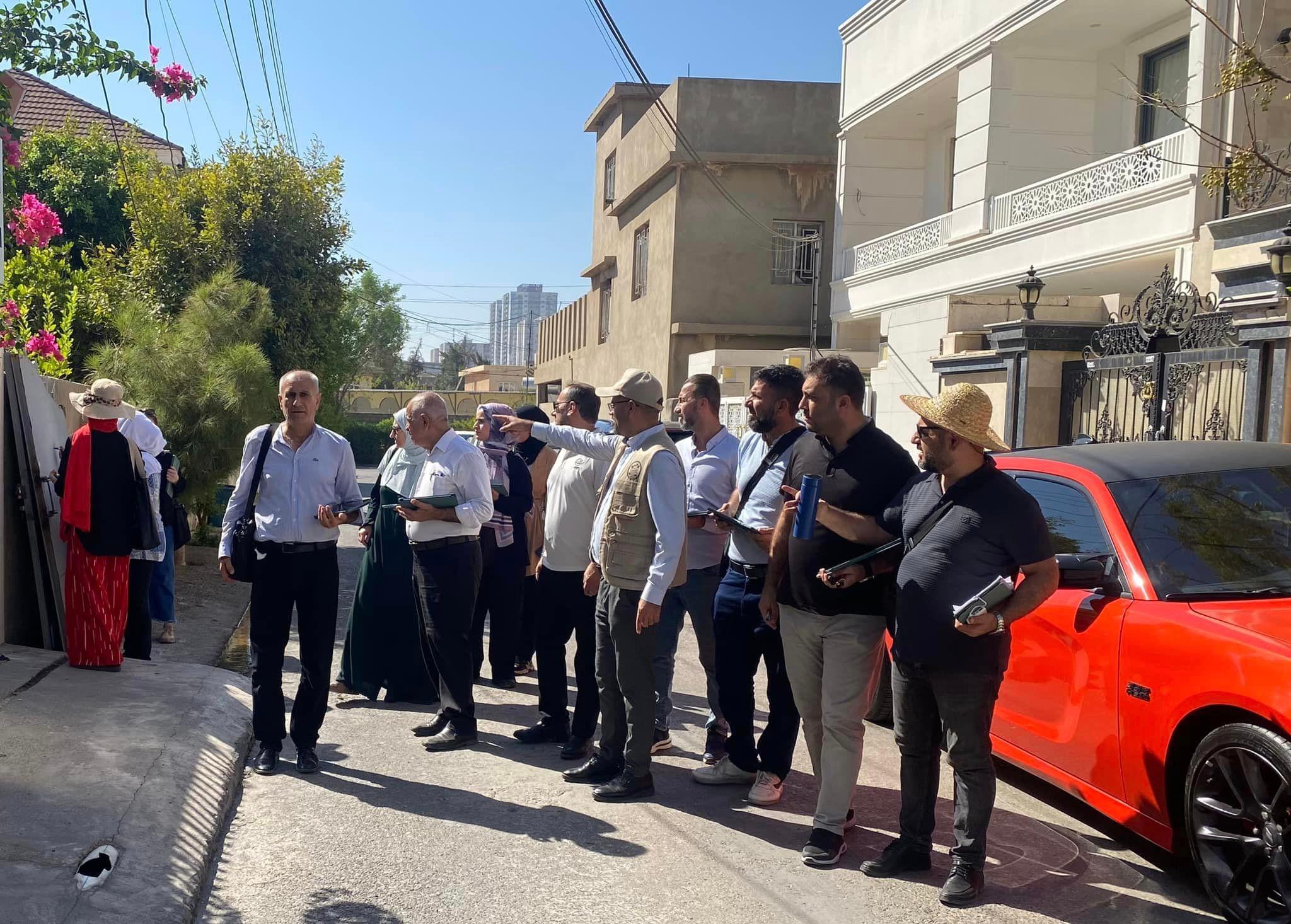
Iraq and the Kurdistan Region commenced their first general population and housing census in 27 years on November 20, 2024. This crucial two-day process involves over 120,000 enumerators collecting data from households across the nation. With a curfew in effect, citizens are urged to cooperate, as this census aims to provide accurate demographic data essential for governance, resource allocation, and socio-economic planning. The initiative represents a significant milestone in Iraq’s statistical history.
The Census Process and Its Importance
The 2024 general population and housing census, the first since 1997, began on November 20 and will conclude on November 21. More than 120,000 enumerators are visiting households across Iraq and the Kurdistan Region to collect data. The process includes over 70 questions per household, covering social, economic, and demographic details.
To ensure the smooth execution of this vital undertaking, a two-day curfew has been imposed across Iraq, requiring citizens to remain home when census teams visit. Kurdistan Regional Government (KRG) officials emphasized the importance of this initiative for accurate and scientific demographic data, critical for planning and development.
Mahmoud Othman, Executive Director of the Census in the Kurdistan Region, confirmed that the census is progressing as planned, with strong citizen cooperation. Othman highlighted that each of the 70 questions serves a specific purpose, addressing key issues such as poverty indicators and resource distribution.
Kirkuk and the Role of the Kurdistan Region
Kirkuk has played a pivotal role in this census, symbolizing its significance as a Kurdish city. Deputy Prime Minister Qubad Talabani expressed pride in Kirkuk’s residents, noting their active participation in the census as a reaffirmation of its Kurdish identity. Talabani personally returned to Kirkuk to register, reinforcing his commitment to the city and its people.
The census is also crucial for disputed areas like Kirkuk, ensuring that demographic realities are accurately recorded. The KRG’s Minister of Planning, Dara Rashid, emphasized the coordination between federal and regional authorities to address technical challenges and ensure successful implementation. He noted that individuals registered during the census would be counted as residents of their original areas, preserving demographic integrity.
The Kurdistan Statistics Authority, led by Sirwan Mohammed, established an operations room to oversee the census process. Mohammed assured citizens of support through a dedicated hotline and emphasized the importance of participating during the specified days. He also highlighted that the data collected would first be sent to Baghdad, with a copy retained by the Kurdistan Region for analysis and planning.
Historical Significance and Financial Investment
The current census marks the first comprehensive population count in Iraq since 1997, and the first in the Kurdistan Region since 1987. Mandated by the Statistics and Geographic Information Systems Law of 2023, this census represents a milestone in Iraq’s demographic and statistical history.
The project’s significance is reflected in the financial resources allocated: over 400 billion dinars have been designated for its execution. Othman underscored the importance of this investment, stating that accurate data would serve as a foundation for governance, resource distribution, and policy-making.
The census also has implications for Iraq’s complex ethno-religious makeup, as accurate data is critical for addressing historical grievances and ensuring equitable resource allocation. In a country marked by ethnically driven conflicts, this census is seen as a step toward greater transparency and inclusivity.
Next Steps and Broader Implications
Following the initial two-day phase, the census will enter a second stage starting November 27, lasting until December 17, 2024. This phase will involve detailed questions about household assets, social conditions, and economic status. Citizens are required to ensure at least one family member is present to provide accurate information.
Accurate census data is a cornerstone of modern governance, essential for addressing critical needs in healthcare, education, infrastructure, and social services. By providing a clear picture of Iraq’s demographic and socio-economic landscape, this census aims to enable informed decision-making at both federal and regional levels.
The 2024 general population census is not just a logistical exercise but a significant milestone in Iraq’s efforts to modernize governance and address longstanding challenges. For the Kurdistan Region, it represents an opportunity to assert its identity, address developmental needs, and strengthen its role within Iraq’s federal framework.
As citizens across Iraq and the Kurdistan Region participate in this historic initiative, the success of the census will depend on cooperation and transparency, ensuring its results contribute to a better future for all.