

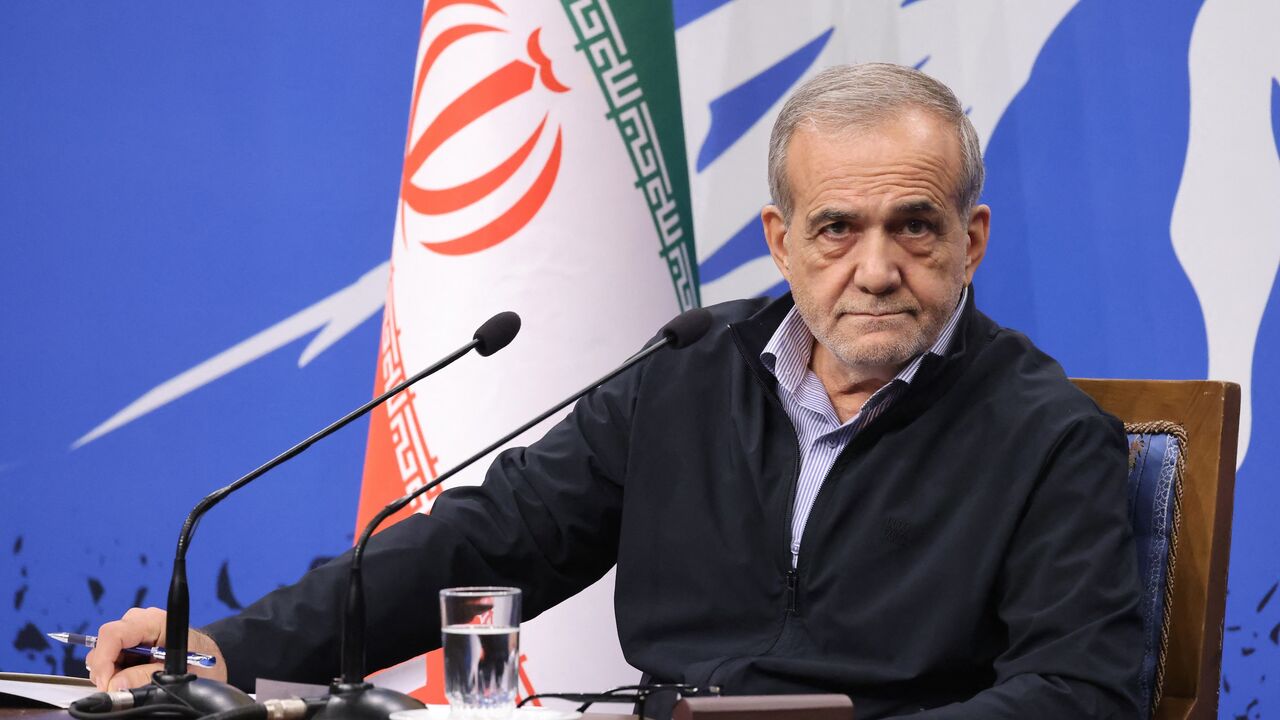
The dynamics of global state interactions are complex and multifaceted, influenced by an array of domestic and international factors. As Iran prepares for a new presidential era following the death of Ibrahim Raisi, Masoud Pezeshkian emerges as a pivotal figure. This analysis explores Pezeshkian’s proposed foreign policy changes, the political landscape in Iran, and the broader implications for both regional and global relations. By examining the intricate web of influences that shape foreign policy, we can better understand the potential shifts under Pezeshkian’s leadership.
Understanding Foreign Policy
Foreign policy is a critical element in the interaction between states, shaping how countries engage with one another in an increasingly interconnected world. It is essential to define foreign policy and understand its implications, particularly as globalization blurs traditional borders. According to Reynolds in A Gateway to International Relations, foreign policy can be understood through three primary definitions:
- Guidelines and Actions: This definition emphasizes foreign policy as a set of guidelines adopted by a government to interact with other states, focusing on the promotion of national interests.
- External Activities: Here, foreign policy is viewed as a collection of activities undertaken by decision-makers to achieve specific objectives, both long-term and short-term.
- Relation to Other Actors: Finally, foreign policy is depicted as a construct that is not formed in isolation but rather in relation to other global actors, reflecting the interdependence of states.
The expansion of globalization has added layers of complexity to foreign policy formulation, making it a product of not only state actors but also non-state entities and international organizations. The influence of public opinion, ideology, and religious beliefs further complicates how states formulate and implement their foreign policies.
The Political System of Iran
To understand Masoud Pezeshkian’s potential impact on Iran’s foreign policy, one must grasp the intricacies of Iran’s political system. Iran’s unique political framework combines elements of both democracy and theocracy, resulting in a complex decision-making process influenced by multiple entities:
- Supreme Leader: The Supreme Leader, currently Ayatollah Ali Khamenei, wields ultimate authority over both domestic and foreign policy. Elected by the Assembly of Experts, the Supreme Leader has the power to appoint key officials, influencing various state functions, including foreign policy.
- Elected Institutions: Various institutions, such as the President, Parliament (Islamic Consultative Assembly), and the Assembly of Experts, are directly elected by the people. However, their powers are often curtailed by the Supreme Leader’s overarching authority, particularly regarding national security and foreign relations.
- Guardian Council: This powerful body consists of clerics and legal experts who vet candidates for elections and possess the authority to disqualify them without explanation. The Guardian Council’s role in approving or rejecting legislation further illustrates the intertwining of religious and political authority in Iran.
- Appointed Institutions: Several institutions are directly appointed by the Supreme Leader, further consolidating his control over policy-making processes. This structure results in a significant concentration of power that influences the formulation of foreign policy.
Pezeshkian’s Foreign Policy Vision
Upon his election, Masoud Pezeshkian articulated a vision for Iran’s foreign policy that emphasizes principles of integrity, wisdom, and justice. His foreign policy framework seeks to create harmonious relationships with neighboring countries while balancing national interests with economic development and global security.
Pezeshkian’s approach can be summarized through key themes:
- Regional Cooperation: Pezeshkian advocates for strengthening ties with neighboring countries and fostering regional cooperation. He emphasizes the need for mutual support among nations to address shared challenges, such as terrorism and environmental issues, and calls for a collective effort to combat sectarian strife and external aggression.
- Strategic Alliances: Pezeshkian has underscored the importance of strategic alliances, particularly with China and Russia. He envisions a comprehensive strategic partnership with China, marking a shift towards deeper economic and political ties. His support for Russia as a strategic ally indicates a desire to bolster Iran’s position on the global stage through alliances with major powers.
- Engagement with the West: Pezeshkian’s message to the United States and European nations reveals his intent to pursue constructive dialogue while asserting Iran’s sovereignty and rights. He emphasizes the necessity of re-evaluating American policies towards Iran, particularly in light of the 2015 nuclear deal, and advocates for mutual respect and equality in diplomatic relations.
- A New Direction in Foreign Policy: While Pezeshkian is viewed as a reformist, he does not seek to disrupt the existing political order. His approach appears to be one of gradual reform rather than radical change, aiming to enhance Iran’s foreign relations while maintaining stability within the political framework established by Ayatollah Khamenei.
Internal and External Challenges to Foreign Policy Reform
Pezeshkian’s ability to effectuate fundamental changes in Iran’s foreign policy will depend on navigating several internal and external challenges:
- Internal Opposition: The Iranian political landscape is rife with factions that may resist Pezeshkian’s reformist agenda. The entrenched interests of hardliners within the government and the military may pose significant obstacles to any transformative policies he seeks to implement.
- Regional Tensions: The geopolitical landscape in the Middle East is characterized by volatility and conflict. Iran’s relationships with neighboring countries, particularly in the context of sectarian divides and historical grievances, will require careful diplomacy. Pezeshkian must balance regional aspirations for cooperation with the realities of ongoing tensions and conflicts.
- U.S.-Iran Relations: The history of adversarial relations between the United States and Iran complicates any attempts at rapprochement. Pezeshkian’s challenge will be to foster dialogue while addressing the grievances stemming from sanctions and perceived threats to Iranian sovereignty.
- Public Expectations: The Iranian populace may have high expectations for change, particularly in terms of economic improvement and enhanced international standing. Pezeshkian’s ability to manage public sentiment and translate foreign policy initiatives into tangible benefits will be crucial for his political survival and success.
Pezeshkian’s Potential Impact on Iran’s Future
Masoud Pezeshkian’s ascent to the presidency represents a pivotal moment for Iran’s foreign policy. His vision for reform and engagement, coupled with an emphasis on regional cooperation and strategic alliances, holds the potential to reshape Iran’s role on the global stage. However, the effectiveness of his policies will hinge on his ability to navigate the intricate political landscape, manage external pressures, and address the expectations of the Iranian people.
In summary, Pezeshkian’s foreign policy framework presents a nuanced approach that seeks to balance national interests with the need for constructive engagement in an interconnected world. As Iran stands at a crossroads, the choices made by its leaders will not only define the country’s trajectory but also influence broader regional dynamics and international relations in the years to come. Through diplomatic initiatives and strategic partnerships, Pezeshkian may carve a new path for Iran, marking the beginning of a transformative era in the nation’s foreign policy.