

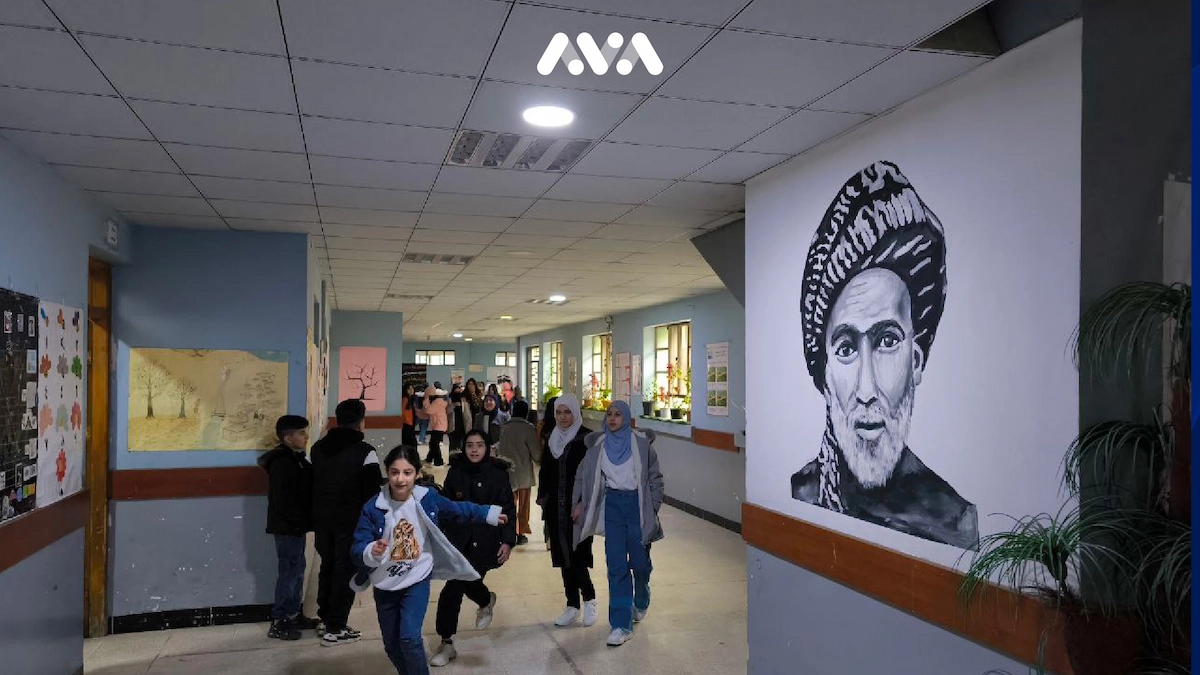
The Iraqi government has announced the start date for the 2023-2024 academic year, set for October 1, 2023, following the completion of supplementary exams for non-final classes. At the same time, Prime Minister Mohammed S. Al-Sudani has instructed the Service and Engineering Team to focus on urgent infrastructure projects, including school construction. Meanwhile, in the Kurdistan region, the Ministry of Education issued guidelines for the 2024-2025 academic year, despite unresolved issues related to salary payments.
Iraqi Government Sets New Academic Year
The Iraqi Parliament’s Education Committee confirmed that the new academic year for schools in Iraq will begin on October 1, 2023. This decision follows the conclusion of supplementary exams for middle and high school students who did not pass in the regular round. These exams are critical for students advancing to the next grade and have impacted the scheduling of the academic year across the country.
The delayed start also allows schools and educational institutions to finalize their preparations for the upcoming year, ensuring that all necessary resources, including teachers and materials, are available. The decision reflects a broader effort to stabilize the educational system, which has been affected by delays and disruptions in recent years.
Prime Minister Focuses on School Construction and Infrastructure
In a related development, Iraqi Prime Minister Mohammed S. Al-Sudani instructed the government’s Service and Engineering Team to prioritize school construction and other urgent infrastructure projects. During a meeting with the team, the Prime Minister emphasized the importance of identifying suitable land for building new schools and streamlining the approval process. These projects are seen as essential to meet the growing demand for educational facilities across the country, especially in underserved areas.
A statement from the Prime Minister’s office, detailed the discussions held during the meeting. The meeting addressed the progress of current projects in Baghdad and other governorates for the year 2024, and outlined the framework for the team’s work in 2025.
Al-Sudani highlighted the need to focus on projects not already managed by ministries or municipal departments to minimize costs and prevent overlap between executive bodies. This approach is intended to ensure efficient use of government resources while addressing the most urgent needs of the public.
Infrastructure and Service Improvements
Beyond education, the Prime Minister’s agenda includes improvements to major roads, water projects, and other critical infrastructure. He urged the Service and Engineering Team to target these projects with precision, ensuring that the government’s efforts lead to tangible benefits for citizens. The primary objective is to enhance services that directly affect the daily lives of Iraqis, with a focus on sectors like transportation, water supply, and energy.
The Prime Minister’s guidance reflects the broader challenges facing Iraq’s infrastructure, which has suffered from years of underinvestment. By allocating resources strategically and targeting key areas, the government hopes to achieve significant improvements in public services within a limited budget.
Challenges in the Kurdistan Region
While the federal government in Baghdad is moving forward with its infrastructure and education projects, the Kurdistan region faces its own challenges. The Kurdish Regional Government (KRG) Ministry of Education has issued a general directive regarding the start of the 2024-2025 academic year, with initial steps being implemented between August 24 and 29, 2024. Teachers are expected to report to schools by September, with summer school schedules adjusted to accommodate grade 12 exams and other final assessments.
Despite these efforts, there are ongoing issues with salary payments for government employees in the Kurdistan region. The federal government in Baghdad has not yet released July salaries for employees in the region, creating tension between the two administrations. The delay in salary disbursement has been a long-standing issue and remains a source of friction in the relationship between Baghdad and Erbil.
In addition to these financial challenges, the KRG continues to work on improving its educational system. Unlike previous years, the region has adjusted its summer school schedule to Monday and Thursday, reflecting the logistical challenges posed by final exams on Sunday and Wednesday.