

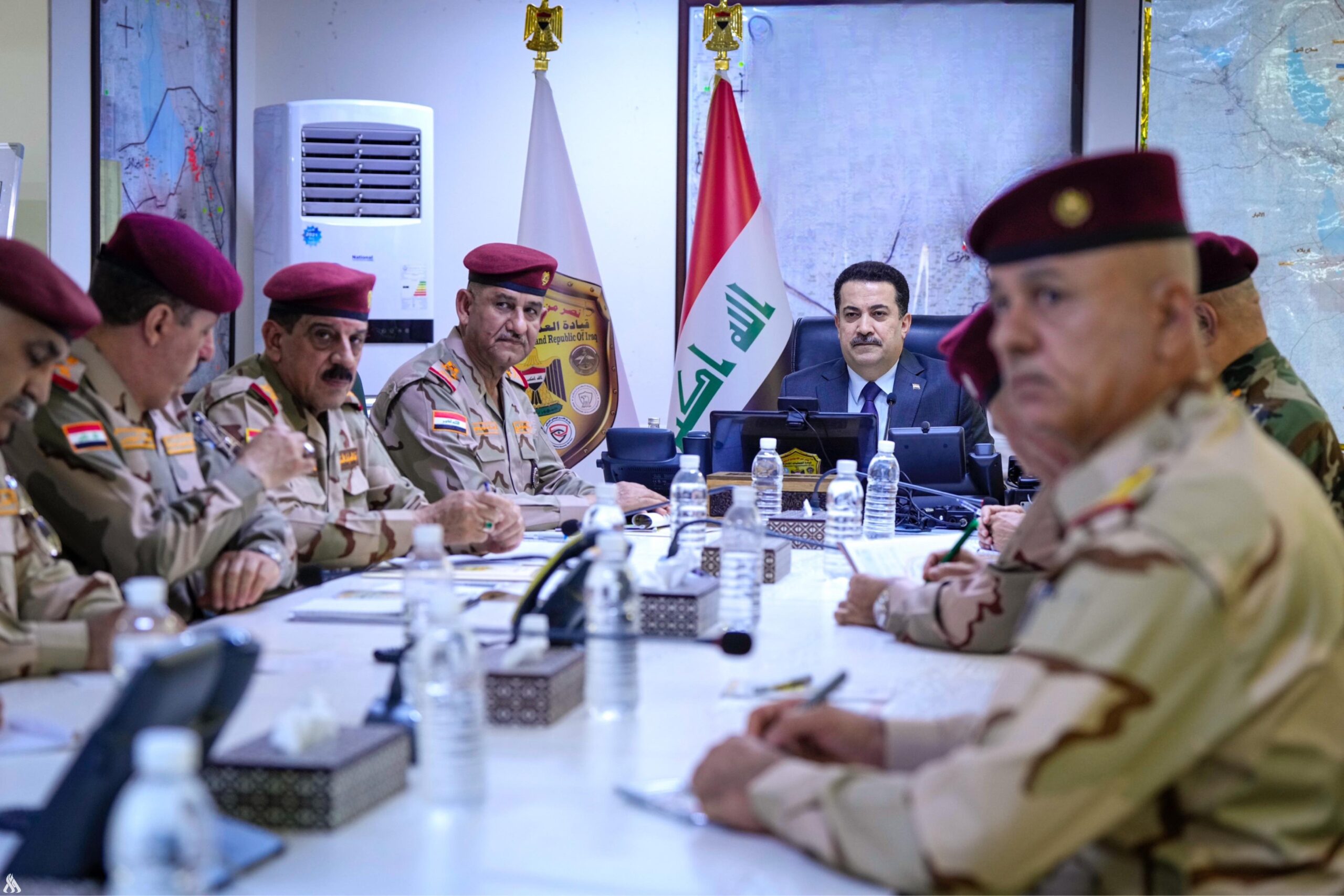
Iraqi Prime Minister Mohammed S. Al-Sudani visited the Ministry of Interior’s Command Operations Room to review security arrangements for the Arbaeen pilgrimage. With an expected 23 million pilgrims this year, including significant foreign participation, Al-Sudani emphasized the importance of meticulous security and border management. The Iranian side has also mobilized extensive medical resources to support the influx of pilgrims.
Prime Minister Al-Sudani’s Security Review
On Friday evening, Prime Minister and Commander-in-Chief of the Armed Forces, Mohammed S. Al-Sudani, visited the Command Operations Room at the Ministry of Interior. His visit aimed to oversee the implementation of the comprehensive security plan for the Arbaeen pilgrimage, a key religious observance commemorating Imam Hussein and his companions (peace be upon them). The Media Office of the Prime Minister reported that Al-Sudani chaired a crucial meeting with senior leaders from various security and military units, including the Minister of Interior and the Deputy Commander of Joint Operations Command.
During the meeting, Al-Sudani received a detailed security briefing covering all 15 provinces that are experiencing substantial pilgrim movements. These provinces are critical as they facilitate the travel of millions of pilgrims heading to Karbala, the destination for the Arbaeen pilgrimage. The Prime Minister praised the dedication of the security forces, who have been on duty since the start of Muharram, and stressed that their operations would need to be even more robust this year. The anticipated number of pilgrims is expected to surpass last year’s figures, potentially reaching 23 million.
Enhanced Measures for Increased Pilgrim Numbers
Given the significant increase in participants, Al-Sudani directed enhanced efforts and thorough field reviews to manage the growing crowd effectively. He also monitored border crossings, ensuring that entry procedures for both Arab and foreign pilgrims were streamlined. With over 140,000 pilgrims entering Iraq daily, the need for efficient processing and security measures was underscored.
The Prime Minister emphasized that all officials and officers must be present on the ground to prevent any breaches, regardless of their perceived insignificance. He stressed the importance of intelligence operations and preemptive measures to secure the pilgrimage. Al-Sudani also highlighted the formation of a specialized committee post-previous pilgrimage season, which has implemented solutions to facilitate the movement of pilgrims. The government remains committed to preparing resources and providing services along the pilgrimage routes.
Surge in Foreign Pilgrims via Iranian Border Crossings
Statistics reveal a significant rise in foreign pilgrims, especially from Turkey, Azerbaijan, and Georgia, crossing into Iran to reach Iraq for Arbaeen. Official figures show that more than 6,000 pilgrims from these countries have entered Iran via the Bazargan border crossing as of August 16. On a single day, August 16, 2,401 pilgrims from these nations arrived at Bazargan, a key transit point linking Iran to Europe.
The Bazargan border, known as Gurbulak on the Turkish side, connects to Tamarchin, the northernmost border terminal between Iran and Iraq, approximately 450 kilometers away. As Karbala prepares to host millions for Arbaeen, the influx of pilgrims through Iranian border crossings has been unprecedented.
Iranian Medical Support for Pilgrims
In response to the growing number of pilgrims, the Islamic Revolution Guards Corps (IRGC) Ground Force has established a large makeshift hospital at the Khosravi border crossing in Iran’s Kermanshah province. This mobile medical facility, equipped with 128 beds and staffed by 80 physicians and medics, offers a range of services including ICU, CCU, laboratory, operating rooms, pharmacy, and dental care units. All services at this field hospital are provided free of charge.
Additionally, the Iranian Army has set up five field hospitals at the Shalamcheh, Chazzabeh, Mehran, Khosravi, and Tamarchin border crossings. These facilities are crucial in providing medical care to the pilgrims throughout the Arbaeen season.
The director of Iran’s central headquarters for Arbaeen reported that over one and a half million Iranian and foreign pilgrims had left Iran via six border crossings as of August 15. With more than 2.6 million Iranians having signed up for the pilgrimage, the majority have opted for the Mehran border crossing. However, travelers have been advised to use the Tamarchin, Bashmaq, and Khosravi crossings due to cooler temperatures at these northern points.
Collaborative Efforts to Facilitate Pilgrimage
This year, border crossings including Khosravi, Mehran, Chazzabeh, Shalamcheh, Tamarchin, and Bashmaq have been opened to accommodate the influx of Arbaeen pilgrims. Agreements between Iran and Iraq aim to remove visa restrictions, enhance services and facilities, and improve border security during the pilgrimage season, culminating in a massive gathering in Karbala on August 25.
As Arbaeen approaches, the concerted efforts of both Iraqi and Iranian authorities demonstrate a strong commitment to ensuring the safety and comfort of the millions of pilgrims participating in this significant religious event.