

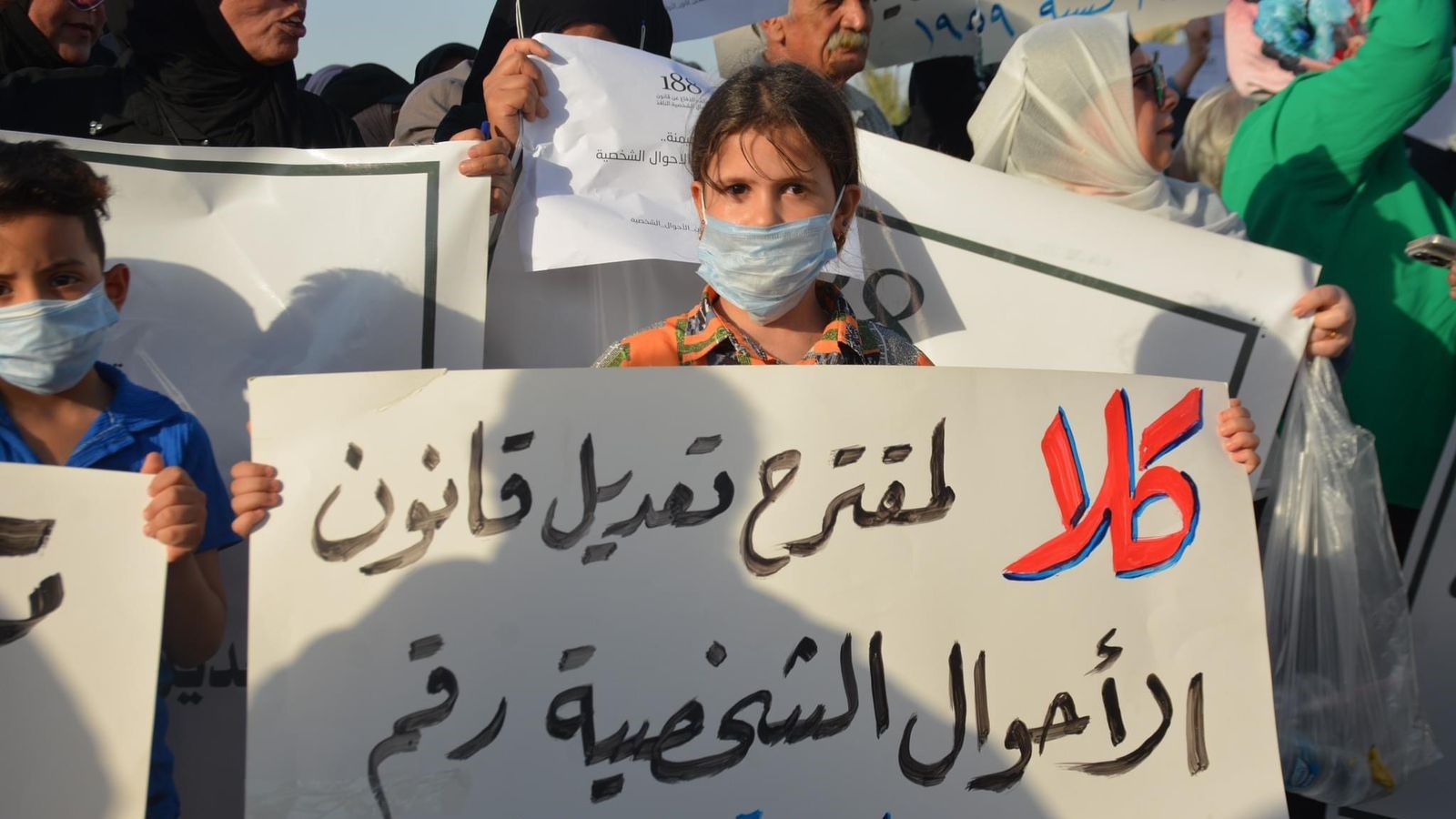
The Iraqi parliament’s proposed amendments to the Personal Status Law, which would integrate sectarian laws into personal status matters, have ignited intense debate and alarm across the country. Atheel al-Nujaifi’s call for a Sharia-based code highlights the deepening divisions, with significant backlash from women’s rights groups and civil society organizations. Critics warn that the amendments could undermine decades of progress on women’s rights, legal protections, and societal cohesion, making this a pivotal issue for Iraq’s future.
Al-Nujaifi’s Call for Sharia-Based Amendments
On Thursday, Atheel al-Nujaifi, a leader in the Mutahidun party, urged Sunni religious scholars to develop a code for amending Iraq’s Personal Status Law (PSL) in line with Sunni jurisprudence. In his Facebook post, al-Nujaifi emphasized the necessity of drafting a Sharia-based code to ensure the amendment respects Sunni legal traditions and modern societal contexts. He stressed that the law will proceed, urging a serious and respectful approach to its presentation.
The proposal to amend the PSL has sparked widespread debate within Iraqi society. The current PSL, enacted in 1959 under Prime Minister Abdul Karim Qasim, applies uniformly across sects, but the proposed changes would allow individuals to select whether Shia or Sunni laws govern their personal status issues, such as marriage. This shift is intended to provide a sectarian choice in legal matters, requiring personal status courts to comply with the chosen sect’s religious laws.
Key Provisions and Controversies
The draft amendment includes several contentious provisions. It stipulates that if parties in a family case disagree on the applicable legal source, the religious opinion will prevail. Additionally, it mandates that the Shia and Sunni Endowment Councils, in coordination with the State Council, draft a code of religious rulings on personal status issues within six months of the law’s enactment. Personal status courts would be required to validate marriage contracts performed before individuals authorized by religious or legal authorities, ensuring that all elements and conditions of the contract are met.
Critics argue that these provisions could lead to significant regressions in legal protections. The potential for validating child marriages and depriving women of maintenance and custody rights is a major concern. The amendments could also lead to the reliance on various religious texts, undermining the existing secular laws that many view as progressive.
Civil Society and Women’s Rights Activists’ Opposition
The proposed amendments have faced strong opposition from civil society groups. The Kurdistan Save the Children (KSC) expressed alarm, warning that the amendments could jeopardize decades of progress in women’s and children’s rights in Iraq. KSC’s legal team highlighted concerns that the amendments could facilitate early marriages and undermine protections related to marriage, polygamy, divorce, legal guardianship, and inheritance.
KSC emphasized that the proposed amendments could contravene Iraq’s obligations under the UN Convention on the Rights of the Child, which mandates actions in the best interest of the child and prohibits discrimination. The potential for increased temporary and underage marriages, as well as the bypassing of legal notarization processes, could have severe consequences for women and children, including health complications, educational setbacks, exposure to violence, and economic instability.
Sara Rashid, KSC President, criticized the amendments as a severe setback for Iraqi society, particularly for women. She warned that the changes would grant excessive power to clergymen and exacerbate community segregation, undermining the respect for progressive Iraqi laws.
Women’s Networks and Activists’ Call to Action
On August 13, 2024, women’s networks in Iraq issued a statement condemning the proposed amendments. They warned that the changes would consolidate male dominance in Iraqi law and significantly threaten women’s rights and lives. The statement argued that the current laws, despite their limitations, are more progressive compared to the proposed amendments, which could regress gender equality and reinforce patriarchal control.
Activists in Erbil organized a press conference, delivering a bilingual statement in Kurdish and Arabic. They expressed concerns that the amendments would exacerbate societal issues and undermine women’s rights. The Iraqi parliament had initially postponed the first reading of the amendment due to disagreements among lawmakers, but it was eventually held in November, intensifying the debate. Supporters of the amendment argue that it could address family-related issues and improve welfare through proposed joint custody arrangements. However, many lawmakers and activists remain opposed, fearing that the bill could destabilize Iraqi society.
The SEED Foundation also voiced serious concerns about the amendments. They view the proposed changes as a significant setback for Iraqi women and children, potentially legitimizing violence and undermining the judicial system. SEED criticized the amendments for deepening societal divisions and weakening the judiciary by stripping its authority. SEED called on the Iraqi Council of Representatives to reject the proposed amendments and uphold fundamental rights and freedoms as enshrined in the Iraqi Constitution and international human rights laws.
The proposed amendments to Iraq’s Personal Status Law have ignited a significant and contentious debate. With strong opposition from women’s rights groups, civil society organizations, and activists, the future of the PSL remains uncertain. The proposed changes raise critical concerns about the potential regression in legal protections and societal impacts, underscoring the need for careful consideration of their implications for Iraqi society and its commitment to human rights.